
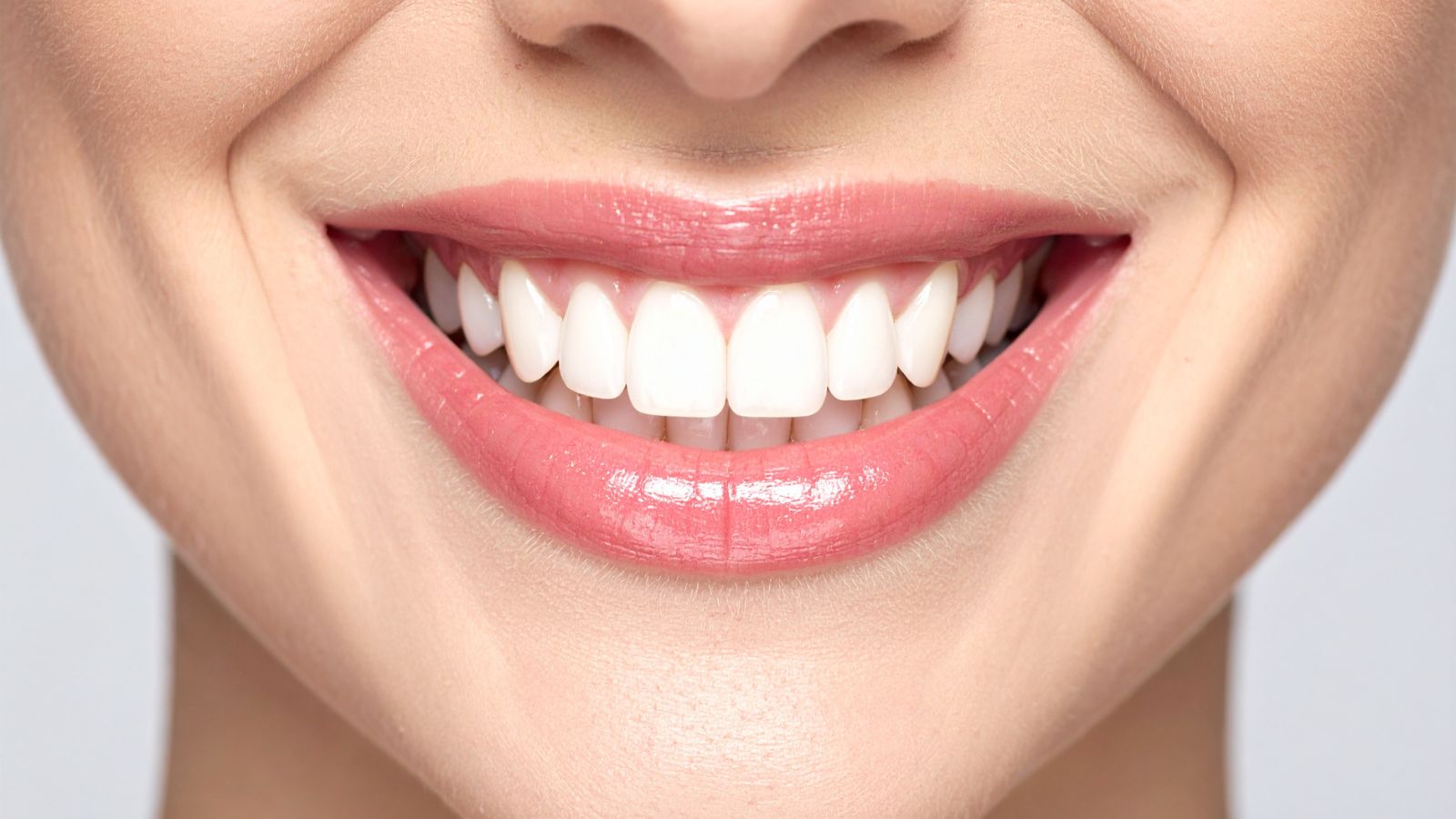
Most parents know the basics. Brush twice a day, floss regularly, and see a dentist regularly, based on individual needs. These habits are important, and most families work hard to keep them. But there is a quieter conversation happening in dental research — one that rarely makes it into the advice given at checkups: what your family eats may play a significant supporting role in their oral health alongside those daily hygiene habits.
The connection between nutrition and oral health is well-documented in the scientific literature, yet it tends to get overshadowed by hygiene messaging. Certain nutrients are associated with enamel strength and oral health outcomes. Others appear to support the structural integrity of teeth and gums over time. Understanding both — and knowing where the gaps tend to be — can shift how you think about what goes on your family’s table each day.
Quick Summary
Research suggests that calcium, phosphorus, vitamin D, and vitamin C are associated with stronger teeth and better oral health outcomes. Vitamin K2 is an area of emerging interest, though the evidence is still developing. Most families get some of these through their regular diet, but vitamin D inadequacy is common. Nutrition works in combination with brushing, fluoride exposure, and professional care — not as a replacement for any of them.
The Mouth-Diet Connection Most Parents Overlook
Teeth and gums require a steady supply of minerals and vitamins to maintain their structure, resist bacterial acid attacks, and support the natural process of remineralization — where minerals are redeposited into enamel surfaces throughout the day, a process supported by saliva and significantly enhanced by fluoride exposure.
When the diet is consistently low in key nutrients, this process may be less efficient. Research in nutritional and dental health suggests that diets high in fermentable carbohydrates and low in protective minerals create an oral environment where cavity-causing bacteria are more likely to thrive. Each time the mouth processes carbohydrates, pH drops and enamel becomes temporarily more vulnerable. Adequate nutrition may support enamel recovery after acid exposure, though oral hygiene and fluoride remain the primary protective factors.
For families, this plays out in practical, everyday ways. Children who drink juice frequently and snack throughout the day without mineral-rich foods in the mix may contribute to conditions that increase vulnerability over time. The goal isn’t to eliminate all sugar — eating sugary foods with meals rather than repeatedly between meals may reduce acid exposure and give enamel more time to recover.
The Nutrients Most Closely Associated With Cavity Prevention
Cavities don’t form from sugar alone. They result from a cascade: bacteria feed on carbohydrates and produce acids, those acids lower the mouth’s pH, and over time enamel loses minerals faster than it can recover them. Nutrition can influence several points in that cascade.
Phosphorus is an important mineral for tooth structure, working alongside calcium as a core component of tooth enamel. Dietary sources — including meat, fish, eggs, and dairy — are accessible for most families. Calcium itself is well-understood in this context, supporting mineral density in both teeth and the jawbone that anchors them.
Vitamin D plays a critical supporting role because it governs how efficiently the body absorbs calcium and phosphorus. Lower vitamin D status has been associated with poorer oral health outcomes in some studies, including links to caries susceptibility and gum inflammation. Vitamin D inadequacy is common across many populations — sunlight exposure helps, but for many families, particularly in northern climates or with limited outdoor time, dietary sources and supplementation may be worth discussing with a healthcare provider.
For families who want to explore this area in more depth, VitaDent Labs covers the research on nutrients linked to cavity prevention in detail, including what current evidence supports and where the science is still developing.
Why One Nutrient Is Never the Whole Story
One of the most common errors in dental nutrition thinking is focusing on a single nutrient in isolation. Calcium is the obvious candidate — many families assume that as long as dairy consumption is adequate, teeth are covered. But calcium without sufficient vitamin D is less effective because absorption depends on it. Magnesium also plays a role in mineral metabolism and may contribute to enamel formation, which is one reason why dietary variety tends to matter more than any single supplement taken in isolation.
This nutrient interdependency matters because it shapes how to approach food choices practically. A diet built around a variety of whole foods tends to be what research supports as the most reliable foundation for oral health. The synergy between nutrients matters as much as the presence of any individual one, and food sources tend to deliver that synergy more naturally.
It also means that gum health — which depends heavily on collagen synthesis and immune response rather than mineral density alone — requires its own nutritional attention. The vitamins most associated with gum tissue integrity are distinct from those primarily linked to enamel strength, which is why whole-mouth nutrition benefits from a broader lens than calcium alone can provide.
Building a Vitamin Foundation for the Whole Mouth
When researchers look at the broader vitamin picture for oral health, a few nutrients stand out consistently. Vitamin C is one of the most studied — it is essential for collagen production, which supports the connective tissue in gums, and deficiency is associated with increased gum inflammation and bleeding. For families, citrus fruits, strawberries, bell peppers, and broccoli are all reliable everyday sources.
Vitamin K2 has attracted growing research interest for its suggested role in calcium regulation in the body. Unlike vitamin K1 — which most people get through leafy greens — K2 is found primarily in fermented foods like natto, aged cheeses, and some animal products. K2 intake may be lower in some Western dietary patterns, and some researchers have hypothesized a connection to dental mineralization alongside vitamin D and calcium, though this remains an emerging area where more human trials are needed before firm conclusions can be drawn.
Magnesium plays a role in mineral metabolism and may contribute to enamel formation. Sources include nuts, seeds, dark leafy greens, and legumes — foods that serve double duty as solid general nutrition for growing families.
For a consolidated overview of the research, VitaDent Labs offers a detailed look at nutritional support for dental integrity, covering the key vitamins, what current evidence supports, and practical food-based approaches for each.
Common Dental Nutrition Mistakes Worth Avoiding

Even nutrition-conscious parents tend to make a few consistent errors when it comes specifically to their family’s teeth.
Timing acidic foods poorly. Fruit is healthy, but eating acidic options like oranges or pineapple without rinsing with water afterward leaves enamel temporarily softened. Brushing immediately after acidic meals compounds the issue. Waiting 30 to 60 minutes before brushing is a small habit shift with meaningful long-term implications.
Choosing supplements over food sources. Supplements can help address confirmed deficiencies, but whole foods often provide supporting nutrients alongside the primary mineral — something isolated supplements may not replicate as effectively. Discussing confirmed deficiencies with a healthcare provider before supplementing is always the better starting point.
Frequent snacking without water. Every time the mouth processes carbohydrates, pH drops. Frequent snacking means the mouth gets fewer windows to recover between acid cycles. Encouraging water between snacks rather than juice or flavored drinks is one of the more practical and impactful shifts families can make.
Frequently Asked Questions
Can eating more calcium alone prevent cavities in children?
Calcium is associated with stronger enamel and jawbone structure, but cavity prevention involves multiple converging factors. Vitamin D is needed for calcium absorption to work effectively, and managing bacteria through consistent brushing and fluoride exposure matters equally. Research suggests that a varied, mineral-rich diet supports oral health more reliably than any single-nutrient approach.
How does vitamin D status affect teeth?
Lower vitamin D status has been associated with increased cavity risk and gum inflammation in some studies. Vitamin D plays a key role in how efficiently the body absorbs calcium and phosphorus — two structural minerals in tooth enamel. Families with limited sun exposure or restricted diets may benefit from discussing vitamin D status with their healthcare provider.
Are there foods that may support a healthier oral environment between brushing?
Some foods are associated with a more favorable oral environment after eating. Cheese has been linked to increased saliva production and a rise in plaque pH. Crunchy vegetables like carrots and celery may help dislodge food particles mechanically. Water remains the most reliably protective beverage for reducing residual acid exposure throughout the day.
What is vitamin K2 and why is it getting attention in oral health research?
Vitamin K2 is a fat-soluble vitamin found in fermented foods and some animal products, distinct from the more common K1. Some researchers have hypothesized that it may play a role in calcium regulation in the body, potentially influencing how minerals are distributed to teeth and bones. The dental-specific evidence is still developing, and it should not be interpreted as a confirmed intervention for oral health at this stage.
Does the frequency of sugar matter as much as the amount?
Frequency of sugar exposure matters significantly in cavity development. Each sugar exposure triggers an acid period in plaque, giving enamel less time to recover between meals. Eating sugary foods with meals rather than as standalone snacks, and rinsing with water afterward, may reduce cumulative acid exposure — which is where a meaningful portion of cavity risk accumulates over time.
Does dental nutrition still matter for adults, or mainly for children?
Dental nutrition matters at every life stage. While teeth develop during childhood, the supporting structures — gum tissue, jawbone integrity, and the daily remineralization cycle — continue to depend on adequate nutrition throughout adulthood. Adults with diets consistently low in vitamin C or vitamin D may notice increased sensitivity or gum vulnerability over time.
Pro Tip
Consider ending family meals with a small piece of hard cheese rather than a sweet dessert. Research suggests this habit may help raise plaque pH after eating and provides a brief source of calcium alongside a meal. It requires no supplements, no special products, and fits naturally into an existing mealtime routine — a practical, low-effort habit with a reasonable rationale behind it.
The Bottom Line
The habits that protect your family’s teeth aren’t only practiced at the bathroom sink. What shows up on the dinner table, how often snacks appear throughout the day, and which nutrients are consistently present or consistently missing — all of these work in combination with brushing, fluoride exposure, and professional care to shape long-term oral health outcomes.
The research in this area continues to develop, and no single food or supplement replaces consistent hygiene or professional dental visits. But building a diet that supports mineral availability and adequate vitamin levels is one of the more practical, evidence-informed steps any family can take. Start with the nutrients with the clearest evidence — vitamin D and overall mineral intake — and build thoughtfully from there.

Bob Duncan is the lead writer and partner on ConversationsWithBianca.com. A passionate parent, he’s always excited to dive into the conversation about anything from parenting, food & drink, travel, to gifts & more!