
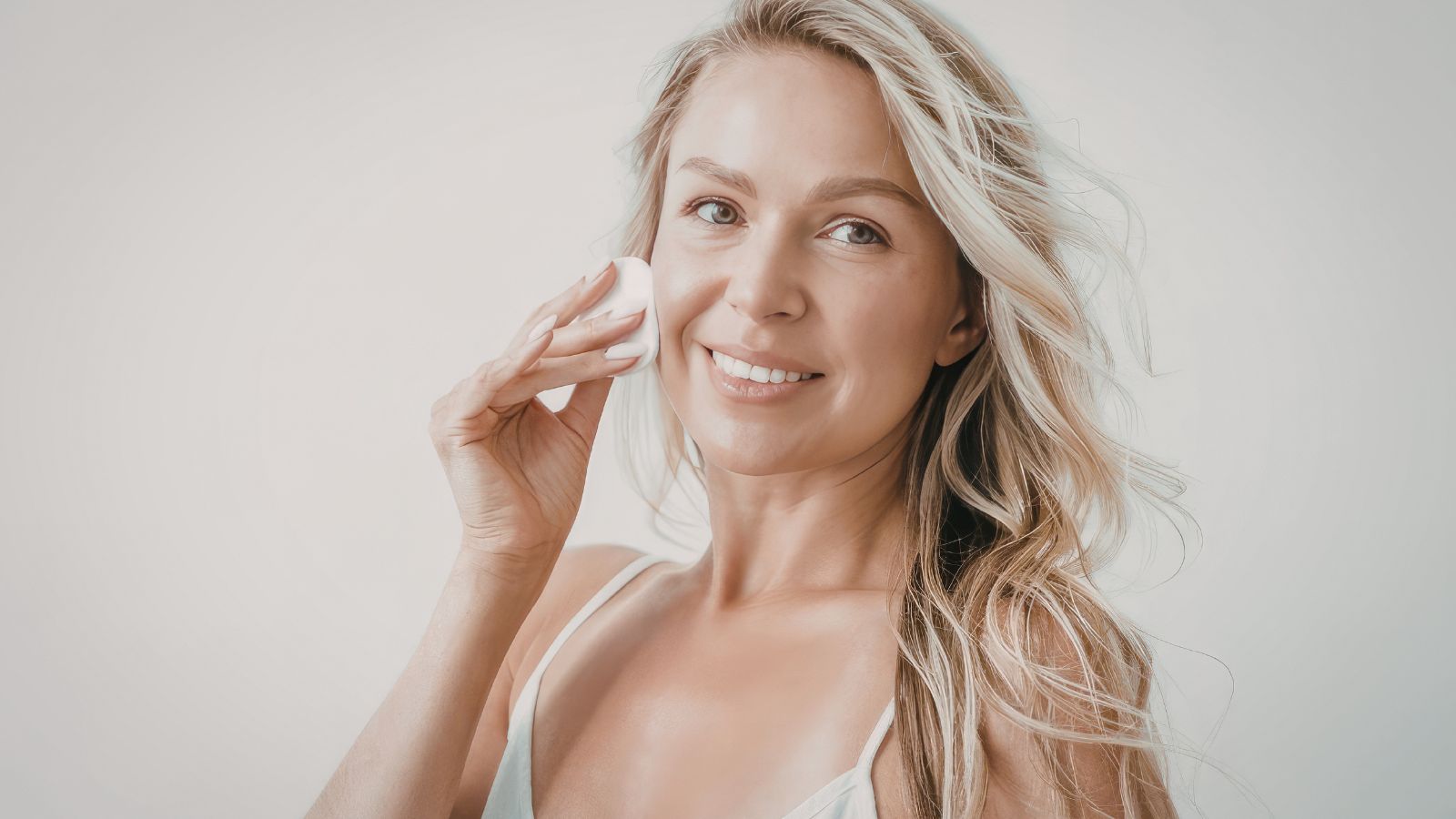
If your skin hasn’t felt quite right since having children, you are not imagining it. Motherhood changes how your skin behaves day to day. Hormonal shifts, disrupted sleep, and the constant background stress of parenting all leave their mark in ways your old routine simply was not built for.
You might be dealing with clogged pores and chin breakouts one week and dry, flaky patches the next. Sometimes both at once, which makes choosing products feel genuinely impossible. Facial steaming has become a practical addition for many moms — not because it is a miracle treatment, but because it can address two of the most common post-pregnancy skin complaints in a single ritual that takes around fifteen minutes.
Quick Summary
Facial steaming may support skin that has changed after having children — but only when matched to your current skin type. Steam can help soften surface buildup and make cleansing more effective, and it may improve short-term hydration when followed immediately by moisturising products. Limit use to one to two sessions per week, apply skincare promptly afterwards, and avoid steaming if skin is actively inflamed or reactive.
Why Skin Changes After Having Kids — And Why the Old Rules Stop Working
Pregnancy and the years that follow involve significant hormonal fluctuations, and those hormones have a direct relationship with your skin. Estrogen and progesterone shifts can influence sebum production during and after pregnancy, which sometimes leads to breakouts that continue well after delivery. As hormone levels drop postpartum, many mothers find skin swings in the opposite direction — drier, more reactive, and sensitive to products that once caused no issues at all.
Sleep disruption adds another layer. Skin barrier recovery and cell turnover are influenced by sleep quality. When rest is consistently broken — particularly in the early months — the skin’s overnight repair process is shortened, leaving a complexion that often looks dull and uneven regardless of what products are applied.
Stress contributes further. Elevated cortisol can influence oil production and increase skin reactivity. The result is skin that rarely behaves predictably — oily in one zone, dry in another, cycling between congestion and sensitivity in ways that make a consistent routine genuinely hard to build. Understanding that these changes are hormonal and physiological is the first step toward addressing them more effectively.
Steam and Skin Congestion — What It Can and Cannot Do
For mothers dealing with clogged pores, comedones, or hormonal breakouts around the chin and jawline, steam offers something specific: warmth that can help soften oil and debris on the skin’s surface, which may make cleansing more effective afterwards.
To be clear about how this works — steam does not extract congestion or open pores. It acts as a preparation step, warming the skin surface so that gentle cleansing can work better. That distinction matters for setting realistic expectations, and it matters especially for mothers managing hormonal acne.
Steam may genuinely help with comedonal congestion — blackheads and clogged pores associated with excess sebum — but it should be avoided entirely when skin is actively inflamed. Red, raised breakouts or cystic spots respond poorly to heat; warmth can increase inflammation and worsen things rather than calm them. Steam sessions should only happen when skin is relatively settled.
For those navigating post-pregnancy congestion, the measured approach is to steam gently at a safe distance, limit sessions to once per week, and follow immediately with a non-comedogenic cleanser rather than applying active exfoliants straight afterwards. VivaAuraGlow’s research on thermal treatment for congested skin covers this in detail — including which acne types may respond to steam, which are better managed without heat, and the post-cleansing steps that help prevent congestion from returning.
A note for mothers with rosacea, eczema, or perioral dermatitis: these conditions are frequently triggered or worsened by heat. Steam is not appropriate for active inflammatory skin conditions, and anyone managing these should consult a dermatologist before introducing any heat-based ritual.
When Skin Swings the Other Way — Dryness, Dehydration, and Why the Approach Differs
Not every post-pregnancy skin change involves oil and congestion. For many mothers, the shift runs the other direction entirely. Persistent dryness, flakiness, and a tight feeling around the cheeks and forehead are common — particularly during breastfeeding, when the body’s overall fluid demands are higher.
This distinction matters because dry and dehydrated skin needs a different approach. Steam raises the skin’s temperature and can temporarily increase transepidermal water loss — the rate at which moisture escapes through the skin surface. Without the right aftercare applied quickly, a steam session can leave dry skin feeling tighter than when you started.
This is not a reason to avoid steaming when skin is dry. It is a reason to understand what the session requires of you once it is finished — and to have everything ready before you begin.
Getting Steam Right for Dry and Dehydrated Mom Skin
For mothers whose skin skews dry or dehydrated, the single most important variable in a steam session is not the device, the duration, or what you add to the water. It is what you do immediately after you finish.
Steam softens the outer layer of skin, which can help products spread more evenly and feel more effective when applied afterwards. In the brief window following a session, a hydrating serum or moisturiser may feel more effective than at other points in the day. But if that window closes without anything applied, the temporary softening works against you — moisture exits more readily and the result is dryness rather than the hydration you were aiming for.
The practical routine for dry skin is straightforward. Keep sessions to eight to ten minutes at a comfortable distance from the steam source. Pat skin gently dry without rubbing, then apply a hydrating serum containing humectants such as hyaluronic acid or glycerin within a minute or two, while your skin is still slightly damp. Follow immediately with a moisturiser or facial oil to seal that hydration in.
VivaAuraGlow’s detailed guidance on hydration-focused steaming protocols walks through the specifics for dry skin — including what happens when the sealing step is delayed, how to adjust session length for different degrees of dryness, and the post-steam product pairings that consistently perform best.
One important caution: avoid acid-based exfoliants directly after a steam session if skin is dry or sensitive. The same temporary softening of the outer skin layer that helps hydrators feel more effective also means that active ingredients like AHAs or BHAs can cause irritation on already-compromised skin. Save those for a separate evening entirely.
Fitting Steam Into a Busy Routine Without Overdoing It
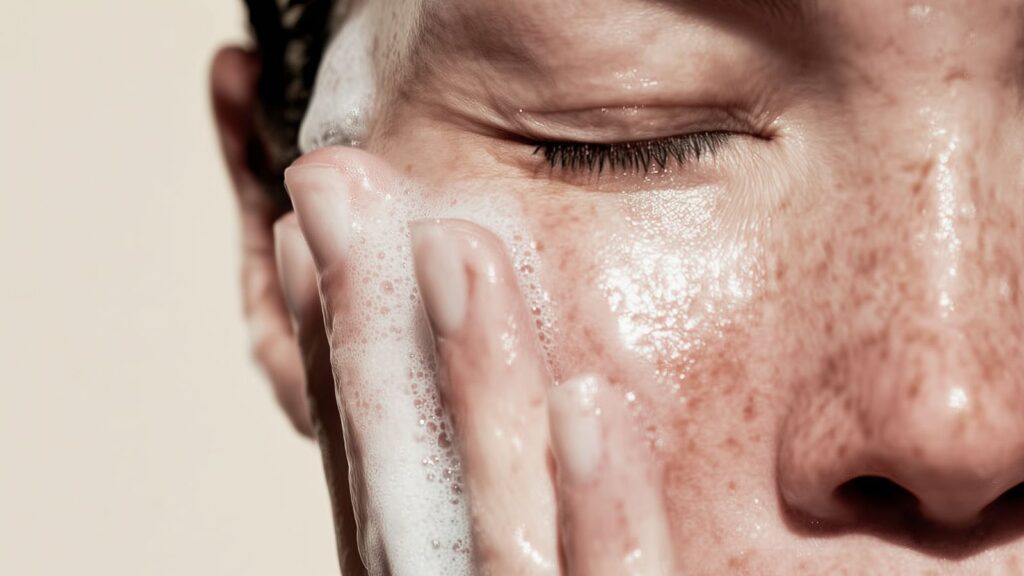
The most common steaming mistake is treating it as a daily habit. For skin navigating hormonal changes and ongoing stress, one to two sessions per week is the range that supports results without placing unnecessary strain on the skin barrier. Consistency at a sensible frequency is more effective than intensity.
Evening tends to be the most practical time — once the house has quietened, steam requires nothing more than fifteen minutes and produces a genuinely calming effect that makes it one of the few skincare rituals that also counts as real downtime.
A few habits worth building in from the start:
- Set out every post-steam product on the counter before you begin, so you are not searching for things when timing matters
- Use distilled water where possible; it is kinder to equipment and helps prevent mineral buildup in the device
- Skip steam entirely if skin is currently inflamed, reactive, or mid-breakout with red or raised spots
- On high-stress days when skin is visibly more sensitive, a cool hydrating mask will serve you better than steam
Frequently Asked Questions
Is facial steaming safe during breastfeeding?
Plain steam carries no concern during breastfeeding. If you want to add chamomile to your steam session, it is generally well-tolerated — though those with ragweed allergies should avoid it, and it is worth checking with your midwife before introducing anything new. Avoid essential oils unless cleared by a healthcare provider.
How soon after giving birth can I start steaming?
There is no fixed timeline, but it makes sense to wait until your skin has settled — generally around six to eight weeks postpartum, though this varies. If skin was reactive during pregnancy, begin with a short five-minute session before extending.
Can I steam if I have hormonal acne on my chin and jaw?
Only over non-inflamed areas. Steam may help with comedonal congestion, but should be avoided over any red, raised, or painful spots. Keep sessions to once per week for acne-prone skin and avoid exfoliants in the post-steam window.
What if my skin is combination — oily in some areas, dry in others?
This is one of the most common post-pregnancy patterns. Sessions of eight to ten minutes generally work well, provided you apply different products to different zones afterwards: lighter gel-based hydration for oilier areas and a richer cream or oil for drier patches.
Beauty Pro Tip
Always prepare your post-steam products before switching the steamer on — not after. A hyaluronic acid serum followed by a ceramide moisturiser is a reliable combination for most post-pregnancy skin types. Have both waiting on the counter before you start. That single habit makes a more noticeable difference than almost any device upgrade.
Bringing It Together
Skin changes after having children are real, and they deserve a considered response. Facial steaming is not a fix-all, but used with the right technique and matched to what your skin actually needs right now, it earns its place in a practical, time-pressed routine.
Whether you are managing congestion, restoring hydration, or simply looking for a few quiet minutes that also happen to do something useful for your face — start once a week, pay attention to how your skin responds, and adjust from there. A short, consistent habit done well will always produce better results than a more elaborate one done sporadically.

Bob Duncan is the lead writer and partner on ConversationsWithBianca.com. A passionate parent, he’s always excited to dive into the conversation about anything from parenting, food & drink, travel, to gifts & more!