
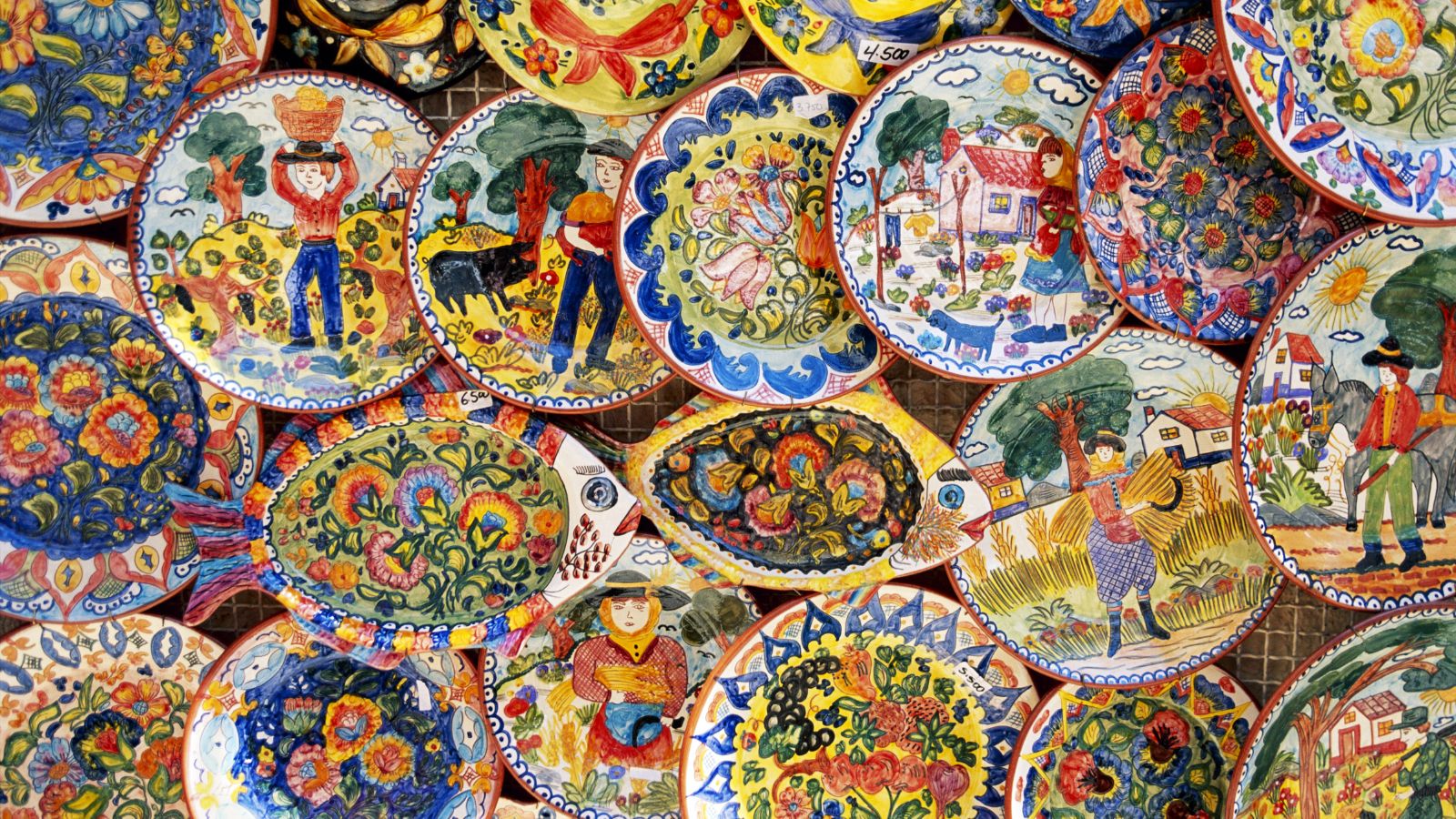
Portugal’s appeal extends far beyond its beaches and historic towns. Its culinary culture has become a key factor in attracting tourists and influencing lifestyle choices, offering an insight into the country’s land use, traditions, and regional character. From bustling food markets to vineyard-covered hills, Portugal’s food heritage is deeply linked to the land and the way people live.
The Mediterranean Diet and Portugal’s Local Foods
Portugal is recognised by the FAO for its adherence to the Mediterranean diet, which is rich in vegetables, legumes, olive oil, fish, and moderate wine consumption. This diet reflects centuries of agricultural practice, coastal fishing, and seasonal food preparation. Visitors often find that exploring local food is also a way to experience Portugal’s culture. Farmers’ markets, small local producers, and artisanal food shops provide authentic encounters with Portuguese cuisine.
In regions such as Alentejo, olive groves and wheat fields dominate the landscape, shaping both the diet and the rural economy. In coastal areas like The Algarve, fish and seafood are central to daily meals, and restaurants often highlight the day’s fresh catch. Tourists and new residents alike are drawn to the simplicity and quality of these foods, and local gastronomy has become a defining aspect of lifestyle in Portugal.
Markets as Cultural and Social Hubs
Food markets are more than places to buy ingredients; they are central to social life and cultural exchange. In Lisbon, the Mercado da Ribeira combines fresh produce with tasting stations, while smaller towns host weekly markets where locals gather, talk, and shop. These markets are attractions in themselves, providing tourists with a direct connection to local life.
The role of markets extends to influencing how property is valued and where people choose to live. Areas near vibrant markets often become desirable for those seeking an immersive lifestyle. Residents can enjoy fresh produce daily, support local producers, and participate in the community rhythm. For individuals looking to invest in property in Portugal, understanding how culinary culture shapes daily life can guide choices in location and amenities.
Culinary Tourism and Local Experiences
Turismo de Portugal identifies gastronomy tourism as a growing sector, with food experiences increasingly influencing travel decisions. Cooking workshops, wine tours, and guided visits to olive farms attract international visitors. Tourists not only taste the food but also learn about cultivation, production, and local traditions. This form of tourism encourages longer stays and a deeper connection with the region, which benefits both local economies and property markets.
For example, in The Algarve, vineyards offer tours and tastings that highlight native grape varieties and traditional wine-making methods. Olive oil producers in Alentejo and Trás-os-Montes invite visitors to participate in harvesting and pressing, creating memorable experiences that go beyond a simple meal. These activities show how land use and culinary culture intersect, providing both economic opportunity and lifestyle enrichment.
Food, Land, and Sustainable Living
Portugal’s culinary culture is closely tied to sustainable land use. Traditional practices such as crop rotation, terraced farming, and small-scale livestock grazing have long shaped the landscape. Preserving these methods ensures biodiversity and maintains the quality of local produce. Many tourists are attracted to rural areas where sustainable agriculture is practised, contributing to a market for properties near these regions.
Sustainable food production is also influencing urban living. Cities such as Porto and Lisbon feature community gardens and farm-to-table restaurants that support local farmers. These initiatives make it possible to enjoy fresh, locally sourced food while living in an urban environment. Prospective residents often prioritise areas where they can maintain a connection to the land and local culinary traditions, even within city limits.
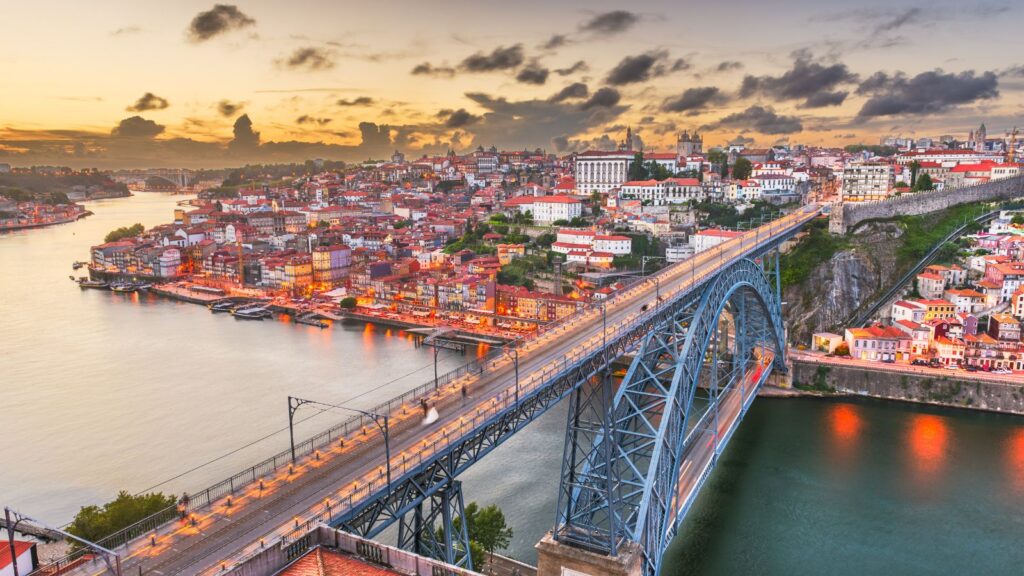
How Culinary Culture Shapes Property Decisions
The link between food and property in Portugal is increasingly visible. Regions with strong food traditions and active markets are seen as attractive places to live or invest. Coastal towns with seafood restaurants, inland villages with artisanal cheese makers, and wine-producing regions all draw attention from buyers seeking a lifestyle enriched by gastronomy.
Real estate professionals note that clients often ask about access to markets, restaurants, and local producers before considering a purchase. A well-established real estate agency, provides information on properties that align with lifestyle priorities, including proximity to markets, farms, and gastronomic experiences. Understanding the culinary map of Portugal can help prospective buyers make informed decisions about where to live or invest.
The Role of Festivals and Seasonal Events
Food festivals play a significant role in connecting visitors to Portugal’s culinary heritage. Annual events like the National Sardine Festival in Lisbon or the Olive Oil Festival in Alentejo showcase local ingredients and traditional recipes. These events draw domestic and international tourists, creating temporary but meaningful hubs of activity that support local economies and highlight the connection between food and place.
Properties in towns that host regular food events often see increased interest from buyers and investors. This trend reinforces the idea that culinary culture is not only about taste but also about community and economic vitality.
Integrating Lifestyle, Land, and Tourism
Portugal’s appeal lies in the combination of land, food, and lifestyle. Visitors and residents alike value the way local foods are integrated into daily life, the availability of fresh ingredients, and the opportunities to engage directly with producers. Culinary culture shapes the rhythm of towns and villages, influences property values, and guides where people choose to live.
For anyone exploring relocation or investment in Portugal, considering these factors is essential. Regions that maintain strong food traditions, support sustainable land use, and offer access to markets and producers provide a high-quality lifestyle that is increasingly sought after.
Conclusion
Portugal’s culinary culture is a lens through which the country’s tourism, land use, and lifestyle can be understood. From the vineyards of The Algarve to the markets of Lisbon, food reflects heritage, community, and sustainability. Culinary experiences influence property decisions, attract tourism, and enrich daily living. For those exploring opportunities in Portugal, using resources such as Portugal Property Hub can help identify areas where food, land, and lifestyle converge to create vibrant and fulfilling communities.

Bob Duncan is the lead writer and partner on ConversationsWithBianca.com. A passionate parent, he’s always excited to dive into the conversation about anything from parenting, food & drink, travel, to gifts & more!