
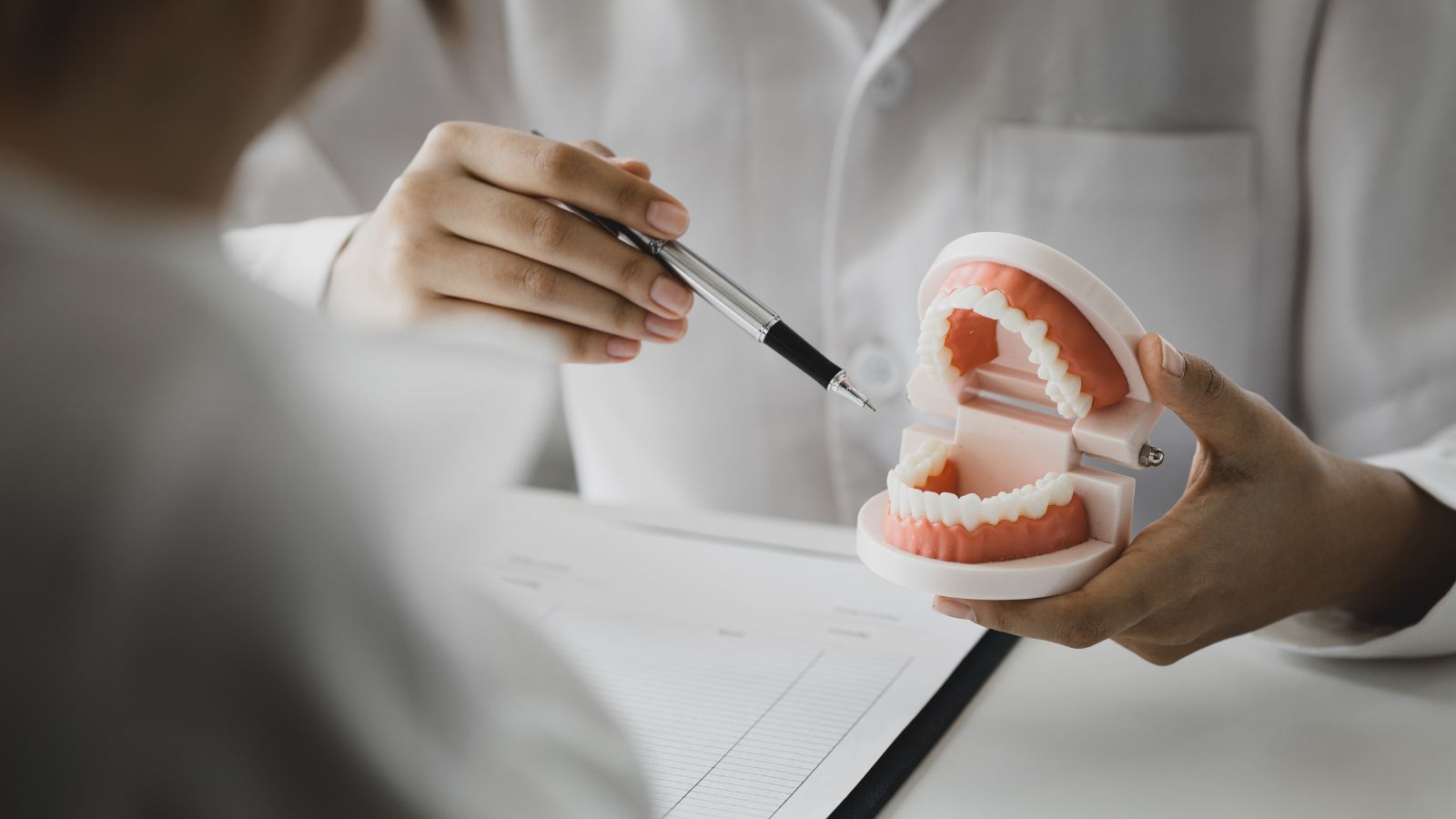
As you get older, your smile can change from stains, wear, or missing teeth—but you have clear options to improve it. You can brighten, realign, or replace teeth with treatments like whitening, veneers, clear aligners, implants, and bonding to restore a natural, confident smile.
This post shows how cosmetic and restorative choices fit your needs after 40, with practical timing and care tips. Expect easy-to-understand explanations of popular treatments, how they work with oral health, and what to expect for maintenance so you can pick the right path for your smile.
Understanding Cosmetic Dentistry for Adults Over 40
You may be dealing with stained, worn, or missing teeth and want solutions that look natural and stand the test of time. Modern cosmetic dentistry offers options designed to improve both appearance and durability, helping you feel confident in everyday conversations and important moments.
The following sections explain common aesthetic concerns, the practical benefits of treatment, and what to look for when selecting a provider. If you are considering upgrading your smile, consulting an experienced cosmetic dentist in Las Vegas can help you evaluate which treatments align best with your goals and deliver long-lasting, natural-looking results.
Common Dental Challenges After Age 40
As you age, enamel thins and teeth often darken from coffee, tobacco, or medications. Small chips, worn edges, and minor shifts in tooth position also become more common.
Gum recession can expose root surfaces that stain easily and feel sensitive. This can make whitening less effective and raise the need for covering or restoring exposed areas.
Tooth loss becomes more likely after 40. You might notice gaps from extractions or failing restorations. Missing teeth change how you chew and can shift nearby teeth, which affects both function and appearance.
Older fillings may discolor or leak. Replacing them with tooth-colored materials can improve looks and stop decay under old restorations.
Benefits of Cosmetic Dentistry for Mature Adults
Cosmetic treatments can make teeth look younger while fixing function problems. Whitening removes years of surface stains quickly. Veneers and crowns restore shape, hide chips, and match neighboring teeth for a natural result.
Implants replace missing teeth without affecting adjacent teeth. They restore chewing strength and prevent bone loss in the jaw. Dentures and implant-supported bridges offer options when multiple teeth are missing.
Beyond looks, cosmetic care can reduce sensitivity, protect worn teeth, and improve bite alignment. Choosing conservative options—like onlays instead of full crowns—preserves more tooth structure. Many procedures also boost confidence, which can help at work and in social life.
Consulting With an Experienced Cosmetic Dentist
Start with a detailed exam and digital X-rays so your dentist can see bone, root health, and hidden decay. Ask for shade-matching samples and before-and-after photos of patients in your age group to set realistic expectations.
Discuss medical history, current medications, and any gum disease. If you have gum recession or active decay, those issues need treatment before cosmetic work begins.
Request a written plan that shows options, timelines, costs, and maintenance needs. Ask whether the dentist uses temporary trials (like mock-ups or temporary veneers) so you can preview results.
Confirm the practice offers follow-up care and warranties for restorations. This helps ensure long-term success and lets you address any issues after treatment.
Popular Cosmetic Dentistry Treatments
You can pick treatments that brighten color, fix chips, or shift teeth without surgery. Options range from quick in-office whitening to thin porcelain covers or clear aligners that move teeth over months.
Teeth Whitening Options
Teeth whitening comes as in-office treatments, take-home kits from your dentist, or over-the-counter products. In-office whitening uses stronger bleaching agents and LED or laser activation to lift deep stains in one visit, giving faster and more noticeable results than store products.
Take-home kits from your dentist include custom trays and professional-strength gel. They let you control whitening at home with lower sensitivity risk when you follow instructions. Over-the-counter strips and toothpastes cost less but usually brighten only surface stains and take longer.
Talk to your dentist before whitening if you have crowns, veneers, exposed roots, or dental sensitivity. Whitening affects natural tooth enamel only; restorations may need replacing to match a new shade.
Porcelain Veneers and Lumineers
Veneers are thin porcelain shells bonded to your front teeth to change shape, size, and color. Traditional veneers often require removing a small amount of enamel so the veneer sits flush and looks natural. Lumineers are an ultra-thin veneer option that may need little or no enamel removal.
Porcelain mimics tooth translucency and resists staining better than composite. Veneers can correct chips, gaps, worn edges, and persistent discoloration that whitening won’t fix. The process usually takes two to three visits: diagnosis and prep, temporary placement (sometimes), then final bonding.
Consider longevity and cost: veneers last 10–15 years or more with good care, but they are not reversible if enamel was removed. Discuss bite changes, gum health, and whether existing crowns or root canals affect veneer plans.
Dental Bonding for Minor Corrections
Dental bonding uses a tooth-colored resin to repair small chips, close tiny gaps, or reshape teeth in one visit. Your dentist roughens the tooth surface, applies bonding resin, sculpts it, and hardens it with a curing light. Bonding is less expensive than veneers and preserves tooth structure.
Bonding works well for simple cosmetic fixes and for patching small areas of wear or discoloration. The resin can stain over time and may chip, so it needs touch-ups or replacement more often than porcelain—expect several years of service depending on habits like coffee or smoking.
You should choose bonding when you want a conservative, quick fix or when budget is a concern. Your dentist can show mock-ups so you see possible results before they apply the resin.
Orthodontic Solutions for Adults
Adult orthodontics includes clear aligners and tooth-colored ceramic braces that move teeth without metal brackets. Clear aligner systems use a series of removable plastic trays you change every one to two weeks. Each tray shifts teeth gradually; most treatment plans last 6–18 months for mild to moderate issues.
Ceramic braces work like metal braces but use tooth-colored brackets and wires to blend in. They handle complex movements better than aligners for some cases. Lingual braces attach behind the teeth for a hidden option but can be harder to clean and may affect speech initially.
Orthodontics can correct crowding, spacing, and bite problems that cause uneven wear or gum issues. Your dentist or orthodontist will take digital scans or x-rays and give a timeline and cost estimate based on tooth movement needed.
Restorative Procedures for Enhanced Aesthetics
These treatments restore function while improving how your smile looks. Expect solutions that replace missing teeth, cover damaged teeth, or reshape gum lines to reveal more balanced teeth.
Dental Implants and Bridges
Dental implants replace a single tooth or multiple teeth with a titanium post placed in the jawbone and a crown attached on top. Implants stop bone loss by stimulating the jaw and look and feel like natural teeth. You should plan for several months from placement to final crown because the implant needs time to fuse with bone (osseointegration).
Bridges span a gap by anchoring to neighboring teeth. They work well when implants aren’t an option or when you prefer a faster timeline. Bridges require healthy adjacent teeth for support and may need future replacement. Talk to your dentist about costs, recovery time, and whether bone grafting is needed before an implant.
Crown Placement for Damaged Teeth
A crown covers a cracked, worn, or heavily filled tooth to restore shape and strength. Crowns can be made from porcelain, zirconia, or metal-ceramic blends. Porcelain and zirconia offer the best color match to nearby teeth, which matters when the tooth is visible.
Your dentist will remove damaged tooth structure, take an impression or scan, and fit a temporary crown. The final crown is cemented in place at a second visit. Crowns improve chewing, prevent further damage, and enhance appearance when matched to your bite and tooth color. Expect local anesthesia and a few weeks of follow-up as your mouth adjusts.
Gum Contouring and Rejuvenation
Gum contouring reshapes uneven or excess gum tissue to expose more tooth surface and create a balanced smile line. Your dentist or periodontist may use a laser or scalpel depending on tissue thickness and the amount of correction needed. Recovery is usually quick, with mild soreness and short-term sensitivity.
Rejuvenation can also include grafting to treat receding gums. Gum grafts restore lost tissue, protect roots, and improve tooth appearance. Discuss healing time, aftercare, and whether you need antibiotics or special rinses. Proper oral hygiene after the procedure helps maintain results and protects against further recession.
Maintaining Results and Oral Health
Keep a simple daily routine, watch what you eat and drink, and see your dentist on a schedule. These actions protect veneers, crowns, whitening results, implants, and your natural teeth.
Long-Term Care for Cosmetic Restorations
Clean restorations the same way you clean natural teeth: brush twice a day with a soft-bristled brush and fluoride toothpaste. Use interdental brushes or floss daily to remove plaque where restorations meet natural tooth structure.
Avoid abrasive whitening toothpastes on porcelain or composite surfaces; they can dull finishes. For veneers and crowns, choose non-abrasive fluoride toothpaste and ask your dentist for a polishing paste if you need extra stain removal.
Protect restorations from force. Wear a nightguard if you grind or clench. Don’t use teeth as tools to open packages. If a crown, bridge, or veneer chips or feels loose, call your dentist promptly to prevent more damage or decay.
Managing Lifestyle and Dietary Choices
Limit foods and drinks that stain: coffee, tea, red wine, dark berries, and highly pigmented sauces. If you consume them, rinse your mouth or brush within 30–60 minutes to reduce staining.
Cut back on acidic drinks like soda and citrus juices. Acids soften enamel and can undermine bonding on veneers and thin ceramics. Use a straw for acidic or staining drinks to reduce contact with front teeth.
Quit or reduce tobacco. Smoking and vaping cause deep stains and increase gum disease risk, which harms implants and restorations. Also moderate alcohol and sugary snack intake to lower decay and gum problems.
Professional Follow-Ups and Adjustments
Schedule regular dental checkups every 3–6 months, depending on your risk factors. Professional cleanings remove buildup that at-home care misses and reveal early issues with restorations.
Expect periodic maintenance visits for polishing, re-bonding, or occlusal (bite) adjustments. Porcelain and composite restorations may need touch-ups or replacement after several years; implants need exam and hygiene care to check surrounding bone and gum health.
Bring any concerns—sensitivity, looseness, color changes—to your dentist quickly. Early fixes are simpler and less costly than repairs after a problem worsens.

Bob Duncan is the lead writer and partner on ConversationsWithBianca.com. A passionate parent, he’s always excited to dive into the conversation about anything from parenting, food & drink, travel, to gifts & more!