
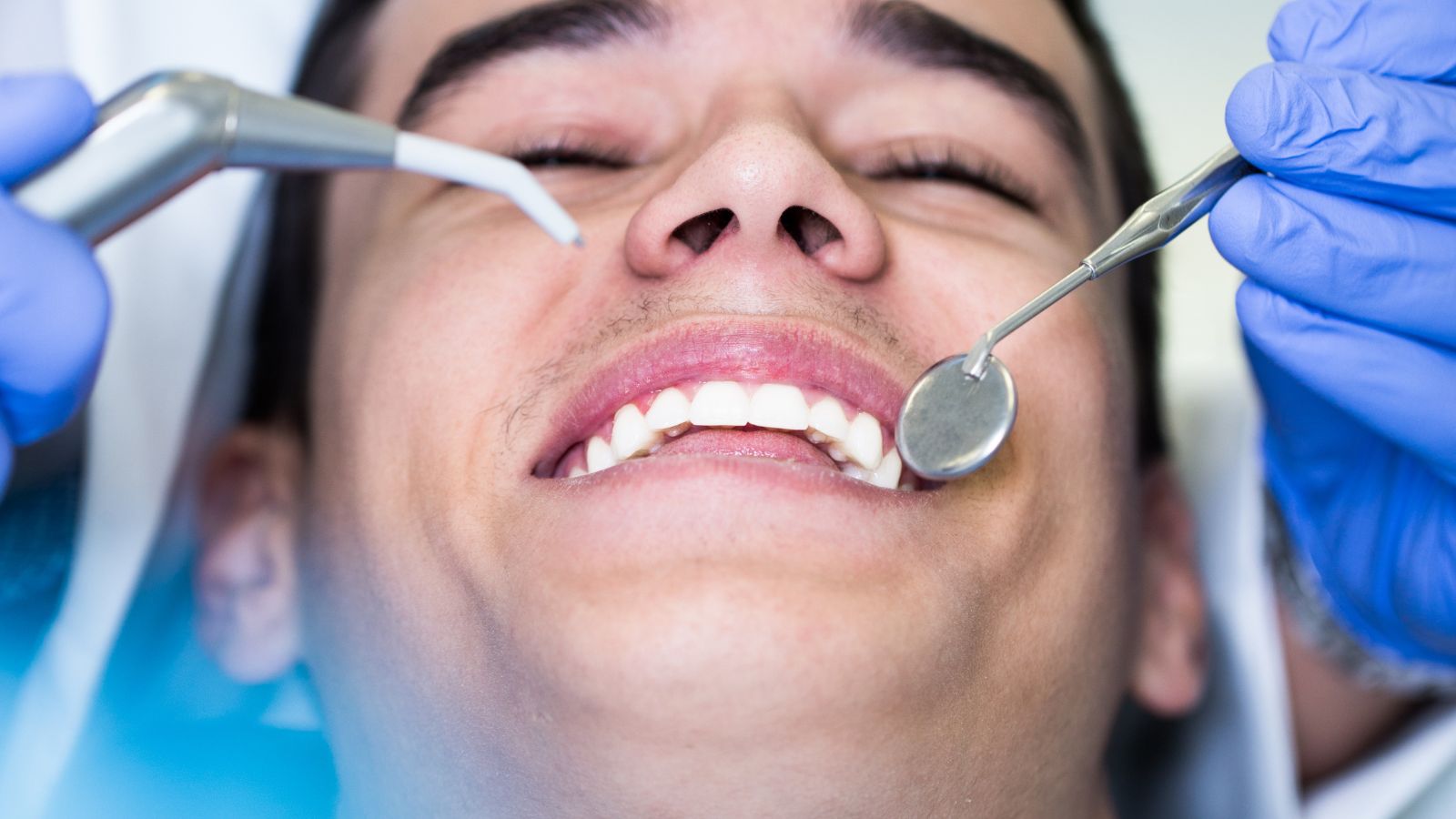
You can boost your professional image without long dental appointments or major downtime. Quick options like whitening, bonding, clear aligners, and same-day restorations let you fix common smile concerns on a tight schedule. These treatments can give you a fresher, more confident smile with few office visits and little disruption to your workday.
This article shows practical, time-smart cosmetic choices, how to pick a dentist who respects your schedule, and ways to keep results looking great while you stay busy. Stay focused on solutions that fit into your life, not the other way around.
Cosmetic Dentistry Solutions for Busy Professionals
You can achieve noticeable, reliable improvements without committing to lengthy treatment timelines. Many modern cosmetic procedures are designed for efficiency, offering quick appointments, minimal recovery time, and technology that fits seamlessly into a busy workweek.
If convenience and fast results matter to you, consulting an experienced cosmetic dentist in Stuart, FL can help you explore options such as professional whitening, bonding, or same-day restorations that deliver visible changes with minimal disruption to your schedule.
Time-Saving Cosmetic Procedures
You can whiten teeth in a single office visit using in‑office bleaching systems. These treatments typically take 45–90 minutes and brighten teeth several shades. Some practices also offer take‑home trays you can use overnight for a few days.
Composite bonding repairs chips and gaps in one visit. The dentist sculpts tooth-colored resin directly on your tooth and cures it with a light. Same‑day crowns made with CAD/CAM milling (e.g., CEREC) let you leave with a finished restoration in 1–2 hours.
Clear aligner systems shorten visits to occasional check‑ins. You get a series of trays to change at home, cutting chair time while improving alignment over months rather than years.
Minimally Invasive Treatment Options
Minimally invasive options preserve tooth structure and reduce recovery time. Porcelain veneers can be ultra-thin and often require little to no aggressive tooth reduction when your dentist uses conservative preparations.
Enamel microabrasion and resin infiltration treat surface stains and early white spots without drilling. These procedures usually need one short visit and cause little to no sensitivity.
Laser gum contouring reshapes gum lines with minimal bleeding and faster healing than traditional surgery. Local anesthesia and quick follow‑up make it practical for professionals who need to return to work the same day.
Latest Innovations in Aesthetic Dentistry
Digital impressions replace messy trays with fast, accurate scans. Scans cut appointment time and improve fit for crowns, veneers, and aligners.
Chairside milling systems let dentists fabricate crowns and veneers during a single visit, avoiding temporary restorations and extra appointments. Same‑day delivery reduces overall treatment time and follow‑up visits.
3D printing speeds up models, surgical guides, and temporaries, enabling faster turnaround for complex cases. Newer tooth‑whitening gels and LED activation protocols reduce chair time while maintaining safety.
Choosing the Right Cosmetic Dentist
You need a dentist who understands busy schedules, offers clear communication, and is easy to reach. Focus on measurable experience, appointment flexibility, and a convenient office that fits your workday.
Expertise in Serving Professionals
Look for a dentist with proven experience in cosmetic work like veneers, whitening, and smile makeovers. Ask how many of each procedure they perform yearly and request before-and-after photos of patients with similar goals to yours.
Confirm formal training and memberships in specialty organizations. Check for continuing education in esthetic dentistry and digital smile design. These show updated skills and use of modern materials.
Request a clear treatment plan with timelines, costs, and follow-up care. A professional who explains risks and alternatives in plain language saves you time and reduces surprises. Also ask about warranty or remakes for restorations.
Flexible Appointment Scheduling
Pick a practice that offers early mornings, late evenings, or at least one weekend day. You should be able to book a pre-treatment consult during a lunch break or before work without taking a whole day off.
Ask about block booking for multi-visit treatments and whether the office can combine preparation steps to cut visits. See if they use text or app reminders and online forms to speed check-in.
Confirm emergency access and same-week slots for urgent problems after a procedure. Practices that streamline paperwork and use efficient chair time will fit your calendar better.
Office Location and Accessibility
Choose a location near your workplace, transit stops, or a major route you use daily. Commute time matters when you need multiple visits or quick follow-ups.
Check parking options and whether the building has elevators or step-free access if you travel with luggage or carry items from work. Verify office hours posted online match actual hours before booking.
Tour the clinic or view a virtual walkthrough online. Note the reception efficiency and whether the staff handles business-related billing, insurance claims, or receipts you need for employer health benefits.
Managing Treatment Within a Busy Schedule
You can get noticeable cosmetic results without leaving work early or missing key meetings. Plan options that fit into lunch breaks, evenings, or weekend windows and use digital tools to cut appointment time.
Same-Day Treatments
Same-day treatments let you finish a procedure and walk out with visible results in one visit. Examples include in-office teeth whitening sessions that take 45–90 minutes and same-day crowns made with CAD/CAM milling systems that often complete prep, scan, and placement in 1–3 hours. Ask the clinic about typical total chair time and whether they provide temporary fixes if visits run long.
Prepare by arriving with a list of priorities: which teeth to treat, color goals, and any photo examples. Confirm insurance or pricing up front and whether the office offers sedation or nitrous oxide if you need help sitting through longer appointments.
Virtual Consultations
Virtual consultations save travel time and lets you start treatment planning from your office or home. During a video consult, the dentist reviews photos or a short intraoral scan, discusses options like bonding, veneers, or Invisalign, and outlines costs and timelines. You can get a clear plan without an initial in-person visit.
To make the virtual visit efficient, send high-quality photos and your dental history ahead of time. Request a written treatment summary and a proposed schedule so you can compare providers and book in-office time that fits your calendar.
After-Hours and Weekend Availability
Choose a practice that offers early-morning, evening, or weekend appointments to avoid weekday conflicts. Many offices block one or two evening slots per week and a half-day Saturday for cosmetic work like bonding or whitening.
Confirm specific appointment windows, cancellation policies, and whether any post-op checks can be done remotely. If you rely on routine follow-ups (e.g., for aligner checks), ask for automatic reminders and the option to switch a few visits to virtual check-ins to minimize disruption.
Maintaining Results with an Active Lifestyle
Keep your smile strong while you work out, travel, and run errands. Focus on daily care, smart food and drink choices, and a follow-up schedule that fits your calendar.
Long-Term Care Recommendations
Protect veneers, implants, or whitening by avoiding hard or sticky foods that can chip or loosen restorations. Use a nightguard if you grind; ask your dentist for a custom guard rather than an over‑the‑counter one. For restorations like crowns or veneers, schedule professional cleanings every 3–6 months if your dentist advises it, since more frequent visits catch early wear or staining.
Choose a toothpaste approved for your treatment—nonabrasive formulas for veneers and sensitive‑toothpaste after whitening. Maintain good overall health: control diabetes and avoid tobacco, because systemic issues and smoking raise risk of gum disease that shortens restoration life. Keep records of materials used in your treatment so future providers can match repairs correctly.
Quick At-Home Maintenance Tips
Rinse with water after acidic drinks like coffee, soda, or sports drinks to reduce surface wear. Carry a soft travel toothbrush and fluoride toothpaste for quick cleans after meals. Floss once daily using a gentle technique, or try interdental brushes if you have wide spaces around implants.
Use a straw for staining beverages to limit contact with front teeth. If you play contact sports, wear a properly fitted mouthguard to prevent chips or tooth loss. For whitening upkeep, use at‑home touch‑up trays or a whitening pen as your dentist recommends, not overuse them, to avoid sensitivity or uneven color.
Follow-Up Appointment Planning
Book your first post‑treatment check within 2–6 weeks so your dentist can verify fit, bite, and healing. After that, set recurring visits based on risk: every 3 months if you have gum disease or heavy staining; every 6 months for most cosmetic cases. Put appointments on your work calendar and set reminders at 1 week and 24 hours before.
Bring photos or notes about any changes you notice—sensitivity, chips, or color shifts—so your dentist can act quickly. If you travel a lot, ask for a care plan and local provider recommendations in advance, and carry a small maintenance kit with floss, a toothbrush, and emergency dental cement for temporary repairs.

Bob Duncan is the lead writer and partner on ConversationsWithBianca.com. A passionate parent, he’s always excited to dive into the conversation about anything from parenting, food & drink, travel, to gifts & more!