
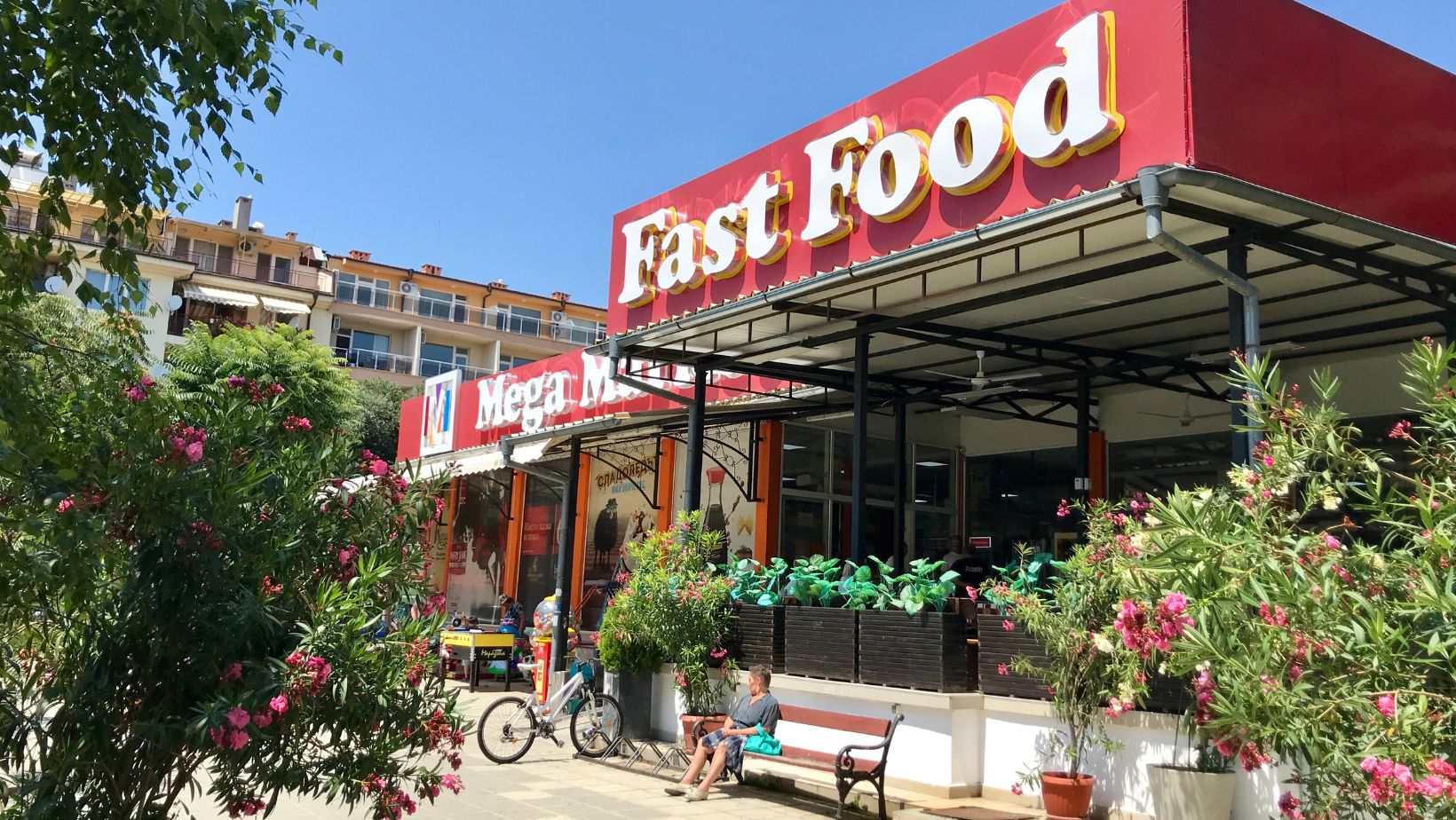
The best food chains in the Western world today succeed because they combine operational discipline, digital control, and strong brand clarity. Revenue alone no longer defines leadership. A chain can be large but inefficient, popular but unstable. The strongest brands align scale with precision and adaptability.
Western markets, especially the United States, Canada, the United Kingdom, Germany, and France, have matured. Customers expect speed, consistent quality, transparent pricing, and seamless digital ordering. Mobile apps, loyalty programs, and efficient pickup systems are not advantages anymore; they are baseline requirements.
Cost control shapes strategy. Rising wages, supply chain volatility, and food inflation force chains to simplify menus and streamline production. Limited offerings reduce waste, shorten training time, and protect margins. The most successful chains design kitchens for repetition and efficiency rather than experimentation.
Brand positioning also plays a central role. Consumers return to brands that deliver predictability. They want to know how long they will wait, what their meal will look like, and how much they will pay. Clarity builds repeat behavior.
Technology underpins modern dominance. Digital ordering platforms capture customer data. Self-service kiosks reduce labor pressure. Drive-thru analytics optimize throughput. Chains that control their digital infrastructure protect their margins and maintain stronger customer relationships.
Under these conditions, several food chains stand out in the Western world. Some dominate through global scale. Others outperform through focus and disciplined execution. Together, they define what “best” means in today’s environment.
The Global Leaders That Continue to Set the Standard
McDonald’s remains the most powerful food chain across Western markets. Its leadership rests on standardization and supply chain strength. Every store follows tightly engineered systems. Kitchen layouts, cooking procedures, and service scripts are optimized for speed.
The company invests consistently in digital systems. Self-order kiosks reduce front-counter congestion. Its mobile app supports targeted promotions and loyalty tracking. Drive-thru operations use data analytics to improve speed during peak hours.
Menu stability supports efficiency. Core products rarely change, allowing accurate forecasting and supplier negotiations. Seasonal items create interest without disrupting workflow. Scale allows McDonald’s to secure favorable ingredient contracts and absorb market volatility.
Starbucks operates under a different model but holds comparable influence. It positions itself as a daily ritual rather than a simple transaction. The Starbucks Rewards ecosystem remains one of the most sophisticated in the restaurant sector. Customers preload funds into the app, strengthening loyalty and generating predictable revenue.
Mobile ordering represents a major share of transactions in urban locations. That digital emphasis reduces friction and increases throughput. Seasonal beverage launches sustain engagement without altering operational fundamentals.
Subway maintains broad geographic reach through franchising density. Its customization model appeals to value-oriented consumers. Although the brand has faced store closures and restructuring, its scale still provides supplier leverage and global recognition.
Burger King competes directly in the global burger category. Its flame-grilled positioning differentiates it. Heavy reliance on franchising enables international expansion. Performance varies by region, but the brand remains widely recognized throughout Western markets.
These global chains share core strengths. They operate at scale, rely on standardized systems, and continuously invest in technology. Size gives them purchasing power, but disciplined execution sustains their relevance.
The Fast-Casual Chains That Raised the Bar
Fast-casual dining reshaped expectations across Western countries. These chains charge higher prices than traditional fast food but justify them through ingredient quality, customization, and store atmosphere.
Chipotle Mexican Grill leads this category. Its assembly-line format allows customers to personalize meals while maintaining kitchen efficiency. A narrow menu reduces complexity. After past food safety challenges, the company strengthened quality controls and digital systems. Online ordering and dedicated pickup areas now account for a significant portion of sales.
Chipotle commands premium pricing relative to legacy chains. Customers accept that pricing because of portion size and ingredient transparency. The brand’s focus on a single cuisine supports operational clarity.
Shake Shack built its identity through urban expansion and quality positioning. It maintains a concise menu of burgers, fries, and shakes. Controlled expansion helped protect brand perception. Store design emphasizes clean lines and modern aesthetics.
Panera Bread blends bakery, café, and casual dining. It appeals to customers who want lighter meals or informal meeting spaces. Many guests spend extended time at restaurant tables working or studying, which strengthens repeat traffic throughout the day. Subscription beverage programs increase visit frequency, while kiosks and app integration streamline ordering.
Sweetgreen focuses on health-conscious consumers in urban markets. Its menu centers on salads and grain bowls. The brand emphasizes sourcing transparency and sustainability. Automation experiments aim to reduce labor dependency in high-cost cities. Although smaller than legacy chains, Sweetgreen holds strong brand loyalty in major metropolitan areas.
Fast-casual leaders share defining traits. They operate with limited menus, invest in design, and rely heavily on digital ordering. They compete on perceived value rather than price alone.
Focused Chains That Dominate Through Precision
Some of the highest-performing chains in the Western world do not have the largest global presence. Instead, they dominate through per-unit revenue and operational focus.
Chick-fil-A consistently reports some of the strongest per-store sales in the United States. Its menu revolves around chicken sandwiches and related items. Strict franchise standards protect brand consistency. The company closes on Sundays, reinforcing corporate values and maintaining operational discipline.
Drive-thru management defines its competitive advantage. Staff members frequently take orders outside during peak hours, reducing wait times. Simplified menu structure allows rapid execution in the kitchen. Customer service training remains central to the brand.
In-N-Out Burger limits expansion primarily to the Western United States. It refuses franchising, retaining centralized ownership. Its menu remains minimal. Fresh ingredients and visible preparation build trust. Demand often exceeds capacity, reflected in long drive-thru lines.
Raising Cane’s focuses almost entirely on chicken fingers. That narrow specialization simplifies inventory and training. Rapid expansion across the United States demonstrates the viability of a focused concept. By avoiding menu diversification, the company maintains tight quality control.
Culver’s thrives in Midwestern markets with strong community ties and consistent product quality. Waffle House maintains 24-hour operations in many regions, relying on standardized kitchen systems and limited menus. Its resilience during extreme weather events has reinforced brand reputation.
These chains illustrate that specialization can outperform diversification. Clear identity and disciplined execution drive profitability.
What Will Define the Best Food Chains Going Forward
Future leadership in Western food chains will depend on technological integration and disciplined cost management.
Automation will expand gradually. Robotic cooking stations, automated beverage systems, and AI-driven inventory forecasting already operate in pilot programs. These technologies aim to stabilize output and reduce labor pressure.
Digital ecosystems will deepen. Chains will encourage customers to order directly through proprietary apps rather than third-party platforms. Direct engagement preserves margins and strengthens customer data control. Subscription models may expand into bundled meal offerings or tiered loyalty memberships.
Sustainability will carry greater operational weight. Consumers increasingly scrutinize ingredient sourcing and packaging waste. Chains that integrate environmental responsibility into supply chains rather than marketing slogans will maintain credibility.
Menu simplification will remain critical. Expanding offerings increases complexity and waste. Focused menus allow better forecasting, faster service, and stronger training consistency. The strongest chains will refine their core products instead of chasing every short-term trend.
Regional specialists may continue outperforming larger brands in per-unit metrics. Meanwhile, global giants will rely on scale to manage supplier negotiations and commodity volatility.
The Western food chain market rewards clarity and control. McDonald’s and Starbucks lead through scale and digital ecosystems. Chipotle and Sweetgreen reshape expectations around customization and ingredient transparency. Chick-fil-A and In-N-Out demonstrate the power of focus and disciplined execution.
The best food chains today succeed because they align operational systems, digital platforms, and brand identity. They maintain consistency under cost pressure and adapt without losing clarity. In a mature and competitive Western market, precision and discipline separate leaders from the rest.

Bob Duncan is the lead writer and partner on ConversationsWithBianca.com. A passionate parent, he’s always excited to dive into the conversation about anything from parenting, food & drink, travel, to gifts & more!