
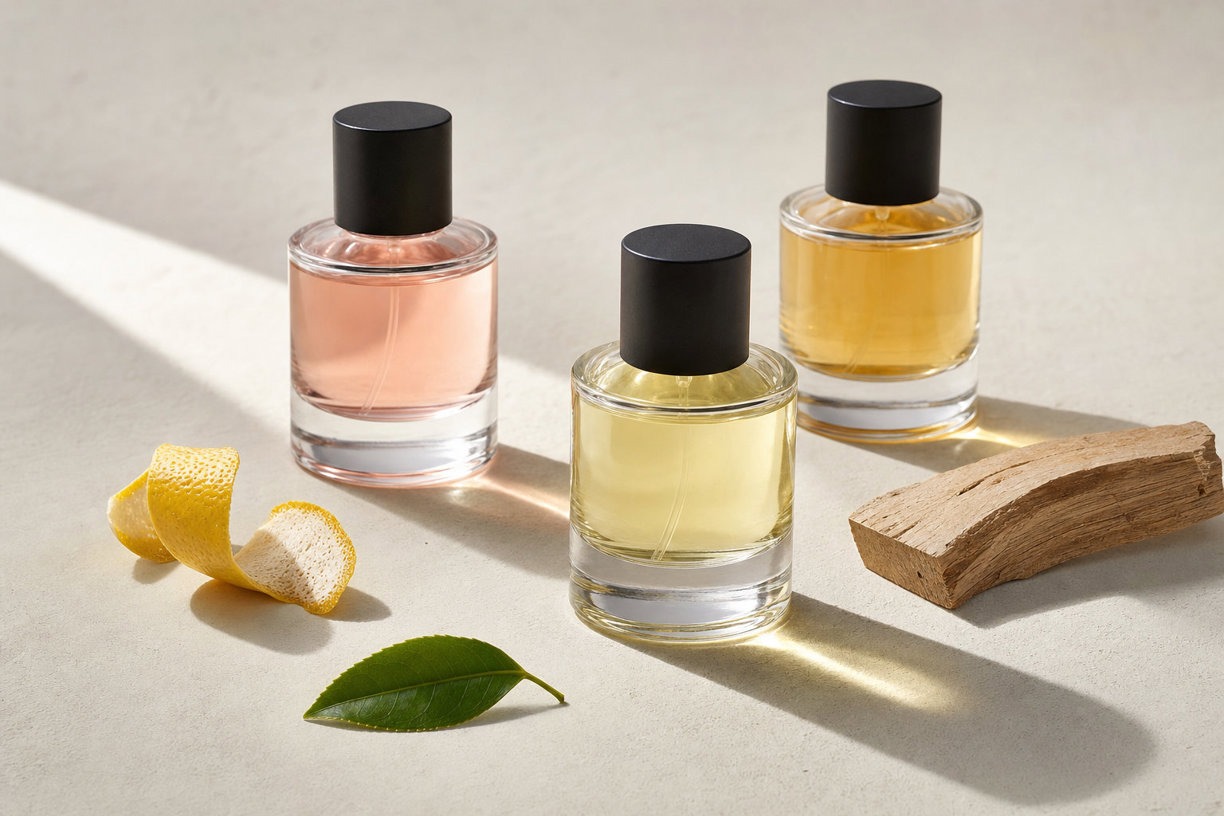
Fragrance layering has become an easy way to tailor your scent to varied settings throughout a busy parent’s day. By combining different perfumes and focusing on simple application strategies, it is possible to achieve a personal signature that feels fresh, professional, or comforting depending on the moment. With some basic techniques, you can make your routine more flexible without needing a shelf full of bottles.
Fragrance layering involves wearing more than one scent at a time to create a blend that feels unique and adaptable. For working parents shuttling between school drop-off, meetings, and evening activities, customizing a fragrance can offer a sense of control and subtle self-care. Learning the basics and best practices for fragrance layering allows you to adjust your scent profile throughout the day, letting you feel yourself in any setting without overpowering those around you.
Understanding the way scents evolve with wear
Layering begins with understanding perfume structure, where each formula unfolds in three main stages: top, heart, and base notes. Top notes create the first impression, often light and citrusy, while heart notes bring in florals or spices after the initial scent fades. The final layer, base notes, lingers the longest and includes woods, musks, or amber tones.
The concentration of a fragrance influences how strong and how long each note lasts, affecting how layered scents blend across the day. A lighter cologne or body mist offers a fleeting touch, while an eau de parfum or oil leaves a deeper, long-lasting impression. Selecting a mix of light and rich concentrations allows for a scent profile that transforms but does not overwhelm.
Scent pairings and avoiding layering mistakes
Selecting scents from complementary families creates harmony and reduces the risk of clashing. For example, blending citrus with soft woods is ideal for a light and uplifting daytime profile, while combining fresh aromatic notes like sage with clean musks offers a gentle, “just-showered” freshness for work. If you prefer a polished, calming effect, try green tea-inspired notes over gentle florals for subtle complexity suitable for both family gatherings and professional settings.
Adding warmth with a touch of vanilla or soft amber can work well in the evenings, though sparing use is key to avoid anything too sweet or heavy for shared or close spaces. Mistakes in fragrance layering are common—using too many “loud” or competing notes, for example, can result in a cloying scent that lingers uncomfortably. If you notice a blend becoming too sweet or overwhelming, you can correct this by reapplying with one less layer or choosing a fresher, lighter scent to balance the overall profile. Patience is essential; the true nature of the blend often emerges after several hours as the fragrance moves through its drydown phase. Testing and observing how the scent evolves over the day helps refine your personal layering technique for more consistent results. When exploring versatile options, some people seek fragrances like Louis Vuitton Pacific Chill dupe for their adaptability in various contexts and layering combinations.
Simple steps for wearable, family-friendly results
When applying multiple scents, starting with a light hand avoids an overpowering result. Apply one spray or dab at a time, adding more only if the effect feels subtle after a few minutes. For example, begin with a single spritz of a fresh citrus fragrance and layer a gentle wood or floral note on top. This approach allows the two scents to blend without becoming too strong and is especially suitable for daytime activities or office environments.
Choosing one “anchor” scent to build around keeps your personal blend balanced. For instance, you might use a clean musk as your base and then add a soft lavender or green tea note for a calming effect during the school run. Change only one layer at a time—such as introducing a light floral to a woody foundation—to avoid creating a mixture that is too complex for shared spaces. Where you apply, skin or clothing, also matters; skin generally diffuses fragrance quietly, while fabrics can hold scent longer and project it further. This is helpful when planning for events where you may be in close proximity to others, such as at work or school functions.
Testing and adapting layering routines for daily life
Efficient testing makes fragrance layering a practical part of daily life. For instance, try applying a different scent to each wrist, and revisit the fragrances after an hour or two to compare how they interact with your skin’s chemistry. Quick notes or mental check-ins about which scent maintains freshness or feels most comfortable for work, the school run, or an evening out can help guide future choices.
Building a mix-and-match fragrance wardrobe does not require a large collection. Using just a few versatile scents—such as one citrus, one floral, and one woodsy—lets you create new combinations suited for changing environments or events. For example, pairing a fresh floral with a subtle musk works well for daytime errands, while a touch of amber added in the evening creates a warmer, relaxed feel. Layering then becomes a manageable, low-effort way to customize your scent and adapt to the needs of busy parent life.
By following simple layering principles, incorporating specific examples, and being mindful of context, anyone can discover a signature scent that feels both personal and practical for every part of the day.

Bob Duncan is the lead writer and partner on ConversationsWithBianca.com. A passionate parent, he’s always excited to dive into the conversation about anything from parenting, food & drink, travel, to gifts & more!