

Choosing a commercial recycling bin supplier is a significant business choice that influences efficiency and consistency of waste management as well as environmental accountability. However, there are the numerous businesses who fail when it comes to whoever supplies the general waste services without reviewing whether that supplier addresses their needs of recycling in particular. They can learn about the important criteria to consider when evaluating suppliers so that they can form partnerships with those suppliers who are more dedicated to the delivery of reliable service, correct bin sizes, and operational efficiency than consider recycling as an additional service offered by businesses whose main role is general waste management.
Pickup Consistency and Reliability
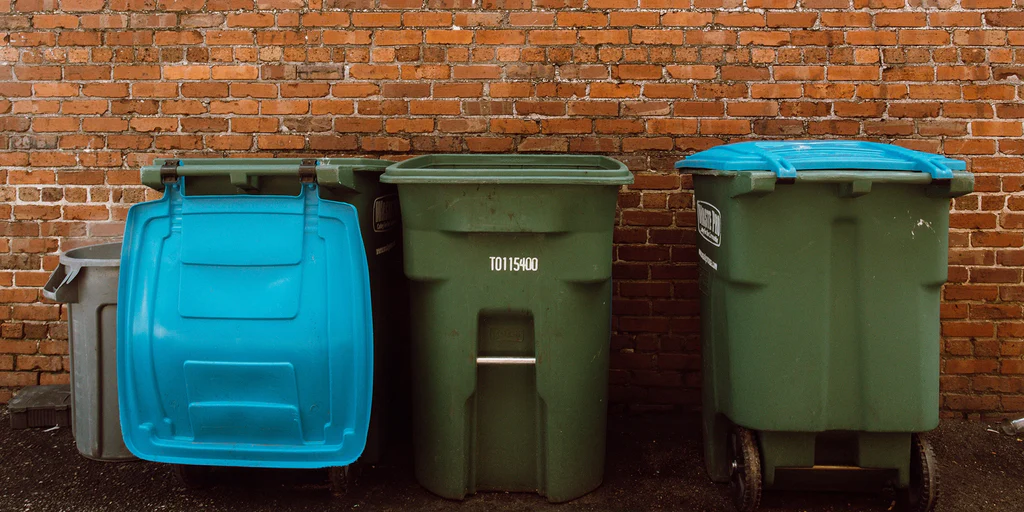
Reliability is the most important supplier evaluation metric because it presupposes the consistent collection on the date of scheduled pick ups without missed ones or unexpected delays. Non-reliable collection will make the finest bin set-up useless as overflowing bins cancel space optimization and environmental gains. Test possible suppliers on the basis of customer testimonials on the subject of collection consistency. Companies testify to the fact that the replacement of unreliable suppliers with reliable ones will significantly enhance the efficiency of work and the ecological results. Interview potential suppliers directly regarding their performance record how many scheduled deliveries have been made on-time in the last year, how they deal with weather-related issues and what happens when equipment malfunctions.
Proper Bin Sizing and Flexibility

The volume of waste that is produced by different businesses varies and will need bins that are of the correct size. A recycling bin supplier needs to provide several sizes of bin with the small, medium, and large options so that a variety of business can use their recycling bins instead of having all their customers take one standard size of recycling bin without having to know which size they actually need. Quality suppliers estimate your targeted waste production, and suggest suitable sizing instead of failing to default to the highest-possible-per-pickup-revenue value.
It is also important to be flexible. Is it possible to upgrade or downgrade bins with changes in business needs? Are suppliers flexible to meet temporary collection upsurge in the peak seasons? Quality suppliers are also concerned with customer needs and do not consider it as an administrative strain when size changes.
Container Quality and Maintenance
The quality of bins has a direct impact on safety of operation, appearance and functionality. Check bins to make sure they are well kept in good condition, labeled and suited to the specific material. Broken or worn bins are also a poor image and possible hazards. The suppliers who are reliable will ensure that its bin fleet is maintained in a proactive way whereby damaged containers are replaced in time before they deteriorate.
Integration With Collection Services
The most optimal bin supplier integrates with logistics of collection. Does the supplier pick up personally or does the supplier outsource pickups? The participation of direct suppliers is normally good to maintain higher communication and responsibility. Explain options of collection frequency, weekly, fortnightly, monthly, and the possibility of change depending on the needs as they arise.
Transparency and Pricing Value
Learn all about pricing structure first. Does it have any hidden costs, minimum term agreements or any surprise charges? Good suppliers have clear quotations which define all costs. Compare with other suppliers but value over lowest price is more important- unreliable cheap service is more expensive in terms of operational disruption than reliable mid-range pricing.
Local Presence and Responsibility
Local suppliers that have been in the community since time immemorial are those that are committed to quality of their services. Businesses that are family-owned and have a record of 25 years and above are normally of higher standards compared to corporate organizations that consider recycling to be part of the service lines. Local presence allows to react to the customer and achieve quicker response in the event of any issues.
Environmental Commitment
Choose suppliers who are truly devoted to recycling results and not just transportation of material. Enquire of where materials are collected, and whether they are recycled. Quality suppliers have diversion rates and material destinations, which show actual contribution to the environment as opposed to greenwashing operations.
Making Your Selection
The success of commercial recycling will be solely determined by the quality of suppliers. Take time to consider reliability, appropriateness, professionalism and commitment before committing. The appropriate supplier turns recycling into a logistical nightmare to operational benefit that is smooth operation as well as business efficiency and responsibility to the environment.

Bob Duncan is the lead writer and partner on ConversationsWithBianca.com. A passionate parent, he’s always excited to dive into the conversation about anything from parenting, food & drink, travel, to gifts & more!