

Modern life often feels like a constant race, leaving many of us looking for a way to hit the pause button. Whether it is work deadlines or personal chores, the pressure can build up fast.
A major study from ScienceDirect, which looked at over 300,000 people across 131 countries, shows just how common this feeling is. Their research found that about 35% of people worldwide report feeling stressed.
Because this stress is so widespread, people are turning to unique tools like the 144 Hz tuning fork to help ground their nervous system and find focus. Since things like money worries and health problems are such big triggers, learning how to manage your internal response is essential.
This article explores practical methods you can use in your own living room to lower those stress levels and regain your balance.
Breathwork and Diaphragmatic Breathing
One of the quickest ways to ease an anxious mind is through intentional breathing. Taking slow, deep breaths into your diaphragm helps switch your body into its natural “rest and digest” state.
Therapists often recommend the 4-7-8 method: inhale for four counts, hold for seven, and exhale for eight. This extended exhale signals to your brain that you are safe, effectively lowering your heart rate and cortisol levels.
To build a consistent habit, Healthline suggests the following tips:
- Do your exercises in a peaceful, quiet place at the same time every day.
- Avoid worrying about doing it perfectly, as this can cause more stress.
- Clear your mind and focus entirely on the rhythm of your breath.
- Practice at least once or twice daily to reinforce the routine.
- Aim to set aside 10 to 20 minutes for each session.
Expressive Journaling for Emotional Release
Writing is therapy in its most accessible form. Expressive journaling, the practice of writing freely about your thoughts and feelings without editing, is shown to reduce anxiety and improve immune function.
In the 1980s, psychologist James Pennebaker developed this technique to help people process trauma. His research demonstrates that translating raw emotion into words helps the brain integrate difficult experiences. By continuously writing about something painful, you create mental distance and ease your cognitive load.
To try this at home, set a timer for ten to fifteen minutes and write whatever comes to mind. Focus on anything weighing on you to identify emotional triggers and keep the writing private to ensure total honesty and emotional release.
Sound Therapy and the Power of Healing Frequencies
Sound therapy is based on the idea that vibrations can influence how we feel, mentally, emotionally, and even physically. From ancient practices to modern wellness routines, sound has long been used to promote relaxation and balance.
One simple tool used in this space is the 144 Hz tuning fork, known for producing a steady, focused vibration. When activated and held near the body, its resonance can create a subtle sense of grounding, especially during moments of stress or mental fatigue. According to Biofield Tuning, this frequency is valued for cutting through energetic imbalances, making it a popular choice among practitioners.
Beyond tuning forks, options like binaural beats, calming music, or nature sounds can also support relaxation. The goal is about creating a gentle sensory experience that helps your body slow down and reset.
Mindful Movement and Body Scan Techniques
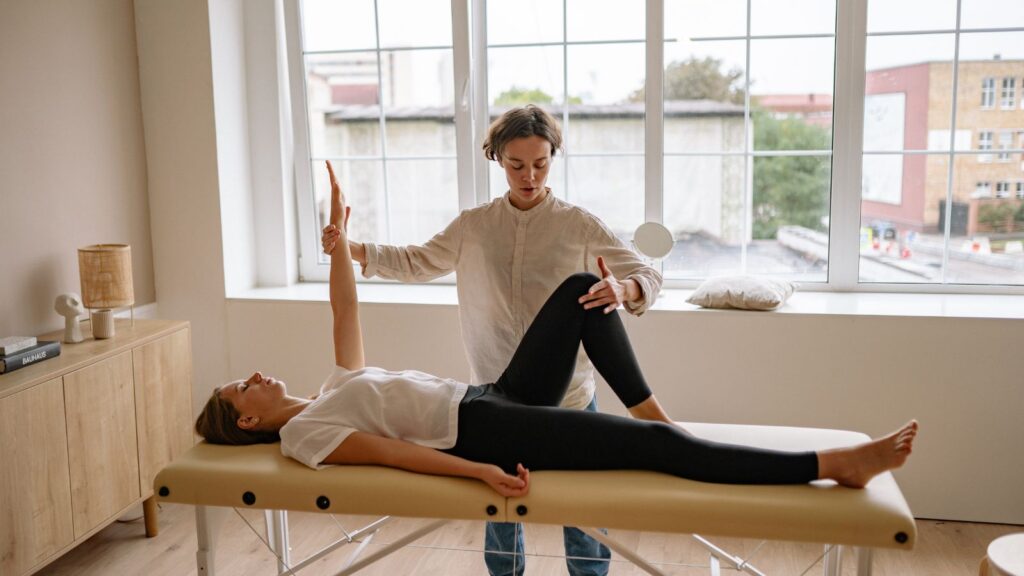
The mind and body are inseparably linked, and emotional stress often reveals itself physically through tight shoulders or a clenched jaw. Mindful movement practices like gentle yoga or progressive muscle relaxation help release this stored tension by bringing conscious awareness to your physical sensations.
This approach is becoming a staple of modern wellness. According to Statista, yoga participation in the U.S. surpassed 34 million in 2023. In 2024, it ranked among the most popular self-care activities. People often choose it for its clear health benefits and enjoyment.
A simple way to start is with a body scan: lie flat, close your eyes, and slowly move your attention from your head to your toes. Notice any discomfort and breathe into those areas without judgment. This practice builds interoceptive awareness, which is a powerful tool for emotional regulation and lowering anxiety from the comfort of your own home.
Nature Exposure and the Grounding Technique
Spending time outdoors has measurable psychological benefits, from lowering blood pressure to reducing cortisol. Research reveals that moments of awe found in nature can actually silence the brain regions responsible for negative self-talk and anxiety.
According to studies, these experiences improve physical health by reducing inflammation and inspiring joy. For those in urban areas, parks and green spaces significantly relieve stress. Even a 30-minute walk in a forest can help you relax and find peace of mind.
If you cannot make it outdoors, the 5-4-3-2-1 grounding technique is a great way to anchor yourself in the present. You simply name five things you see, four you can touch, three you hear, two you smell, and one you can taste. Taking this quick sensory inventory helps interrupt anxious thought cycles. It restores a sense of calm by shifting your brain’s focus back to the immediate environment around you.
Frequently Asked Questions (FAQs)
How long should I practice these techniques each day to see results?
Even 10 to 15 minutes of daily practice can produce noticeable improvements in mood and stress levels within one to two weeks. Consistency is much more important than how long each session lasts. You will see better results from short, regular practices than from doing them for a long time only once in a while.
Is the 144 Hz tuning fork safe to use at home without professional guidance?
Yes, 144 Hz tuning forks are generally safe for home use. Simply strike the fork and hold it near areas of tension. Avoid placing it directly on the skull or near electronic devices. Those with sound sensitivity, epilepsy, or pacemakers should consult a healthcare provider before beginning any sound therapy practice at home.
Can these at-home techniques replace professional therapy or medical treatment?
No. These techniques are effective for everyday stress management and emotional maintenance, but they are not substitutes for professional mental health care. If you are struggling with persistent anxiety, depression, or trauma, please reach out to a licensed therapist or healthcare provider to support your journey.
You do not need elaborate setups or professional appointments to begin supporting your mental health at home. Whether it is diaphragmatic breathing, a journaling session, the resonant hum, or a mindful walk outside, each of these practices carries real therapeutic value.
The key is consistency over intensity. Your nervous system responds to repetition and intention. Small, steady investments in your mental well-being compound over time into meaningful resilience and restored calm.

Bob Duncan is the lead writer and partner on ConversationsWithBianca.com. A passionate parent, he’s always excited to dive into the conversation about anything from parenting, food & drink, travel, to gifts & more!