
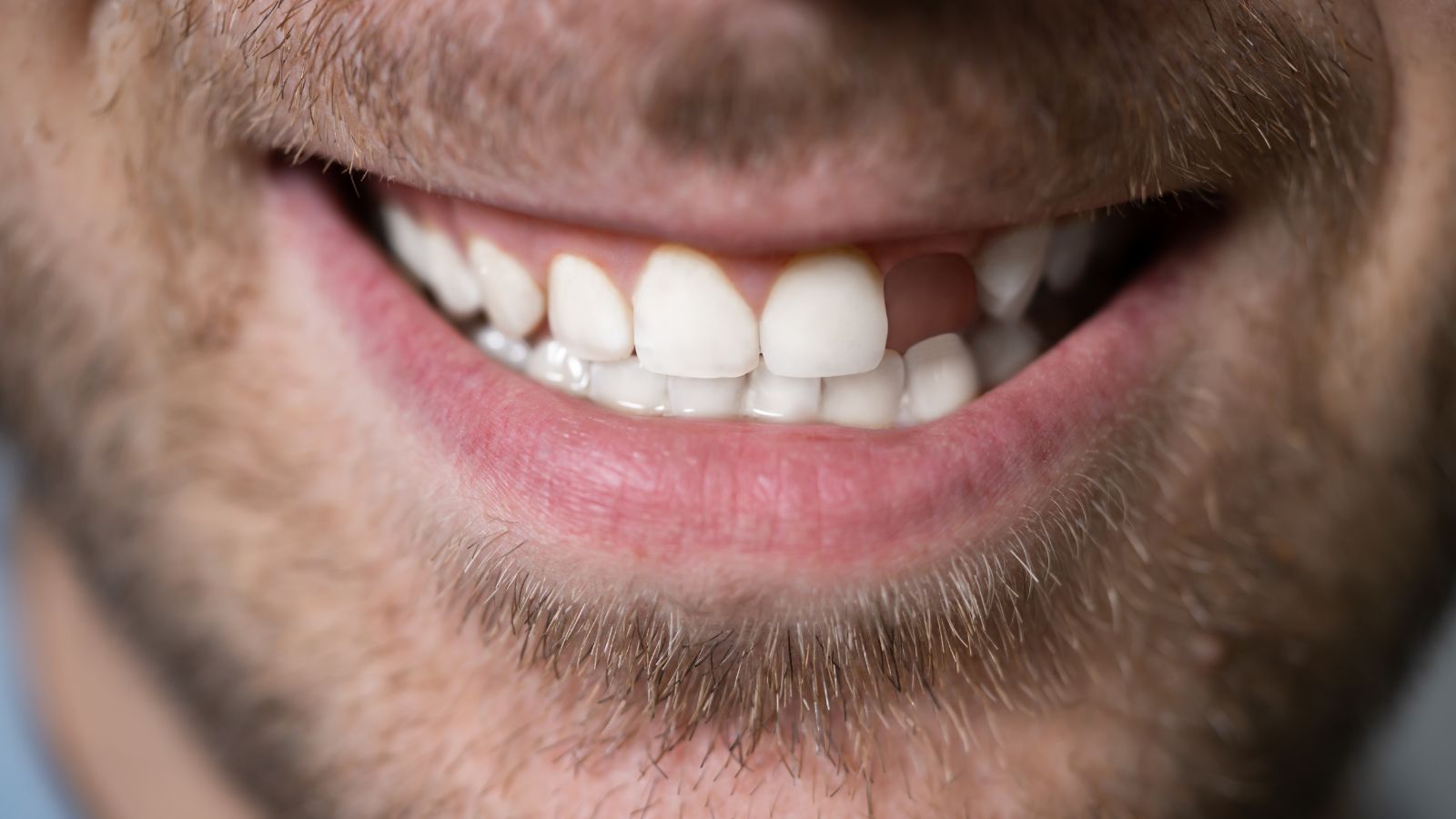
Losing teeth changes how you eat and how your body handles food. You may chew less, swallow larger pieces, or avoid certain foods, and that can make digestion slower, cause stomach upset, and reduce nutrient absorption. Tooth loss can directly affect your digestive health by changing chewing efficiency, gut bacteria, and the kinds of foods you eat.
This article explains why that happens and what you can do about it, from the causes of tooth loss to practical ways to protect both your mouth and your gut. You will learn how eating, oral bacteria, and digestion connect, plus steps to prevent or manage problems so eating stays comfortable and healthy.
Understanding Tooth Loss and Its Causes
Tooth loss happens for specific reasons and affects different people in different ways. You will learn what directly damages teeth, which conditions raise your risk, and how common tooth loss is at different ages.
Common Reasons for Tooth Loss
The main causes of tooth loss include decay, gum disease, trauma, and failed dental work. Cavities weaken tooth structure when bacteria feed on sugars and produce acids. If decay spreads to the tooth pulp, a root canal or extraction may become necessary.
Gum disease (periodontitis) gradually destroys the bone that supports your teeth. As bone and gum tissue recede, teeth can loosen and eventually require removal. Severe dental trauma from accidents may also fracture teeth beyond repair. Other contributing factors include untreated infections, orthodontic extractions for crowding, and failed restorations such as crowns or bridges. Smoking and poor oral hygiene significantly increase these risks.
If you have already lost a tooth due to any of these causes, exploring reliable tooth replacement options in Anchorage can help restore function, protect surrounding teeth, and prevent further bone loss.
Risk Factors Associated With Tooth Loss
Certain health and lifestyle factors raise your chance of losing teeth. Poor oral hygiene, infrequent dental visits, and high sugar intake increase cavities and gum disease risk. Smoking doubles the likelihood of severe gum disease and tooth loss.
Chronic diseases such as diabetes and osteoporosis weaken tissues and bone, making tooth loss more likely. Medications that reduce saliva flow raise cavity risk because saliva helps protect teeth. Low socioeconomic status often links to limited dental care access, which raises the odds of untreated dental problems.
Genetic predisposition can affect enamel strength and immune response to oral bacteria. Age and past dental history also play roles; if you’ve had periodontal surgery or multiple restorations, follow-up issues may increase risk.
Prevalence Across Different Age Groups
Children lose primary teeth as a normal growth process; this is not pathological tooth loss. Permanent tooth loss begins to rise in adulthood, especially after age 45. By age 65, many adults have lost one or more permanent teeth.
Older adults face higher rates of tooth loss due to cumulative decay, long-term gum disease, and systemic health issues. Studies show tooth loss clusters in populations with limited dental care and chronic conditions like diabetes.
Young adults can also lose teeth from sports injuries, untreated cavities, or aggressive gum disease. Your risk changes over time based on habits, health conditions, and access to dental care.
How Tooth Loss Impacts Digestive Health
Missing teeth can change how you eat, what you can chew, and how well your body absorbs nutrients. These shifts can lead to slower digestion, changes in gut bacteria, and higher risk of gastrointestinal symptoms.
Role of Teeth in the Digestive Process
Your teeth start digestion by cutting and grinding food into pieces small enough to swallow safely. Front teeth (incisors and canines) tear food; back teeth (molars and premolars) crush and grind it into a bolus. Proper chewing mixes food with saliva, which contains enzymes like amylase that begin starch breakdown.
When you lose teeth, the size and consistency of food entering the stomach change. Larger pieces force your stomach and intestines to work harder. You may swallow more air, increasing bloating or discomfort. Incomplete breakdown in the mouth can also alter how nutrients are exposed to digestive enzymes later in the gut.
Chewing Efficiency and Nutrient Absorption
Reduced chewing lowers the surface area of food, which makes enzyme access in the stomach and small intestine less effective. Hard-to-chew foods like raw vegetables, nuts, and whole grains often get avoided, which can cut fiber, vitamins, and minerals from your diet.
You might choose softer, processed foods that are calorie-dense but nutrient-poor. This shift raises risk of deficiencies in vitamin C, folate, calcium, and protein. Over time, poorer nutrient absorption can weaken immunity, slow tissue repair, and affect bone and muscle health. Dental prostheses or proper restorations help restore chewing force and improve nutrient intake.
Gastrointestinal Complications From Poor Mastication
Poor mastication can cause specific GI problems. Larger, under-chewed pieces increase risk of indigestion and slow gastric emptying. That can lead to feelings of fullness, reflux, or bloating after meals. In older adults, this can worsen constipation or diarrhea due to altered transit times and diet changes.
Animal studies and some human data suggest tooth loss can shift oral bacteria to the gut, potentially disturbing gut microbiota balance. Changes in gut microbes may influence inflammation and intestinal health. If you have persistent GI symptoms after losing teeth, discuss them with both your dentist and physician.
Dietary Changes Due to Missing Teeth
When chewing becomes painful or inefficient, you likely change what you eat. You may avoid raw fruits, crunchy vegetables, lean meats, and nuts. Instead, you might rely on mashed, blended, or processed foods that are easier to eat.
These choices often reduce fiber and protein and increase refined carbohydrates and fats. That pattern can raise blood sugar swings, weight gain, and digestive complaints like gas. Simple steps—like cutting food into small pieces, cooking vegetables until soft, and using protein-rich soft foods (yogurt, eggs, tofu)—can help maintain nutrition while you seek dental treatment.
Prevention and Management Strategies
Focus on daily habits, dental treatments, and diet changes that protect your mouth and keep digestion working well. These steps help prevent tooth loss, replace missing teeth, and make eating easier after you lose teeth.
Oral Hygiene Practices to Reduce Risk
Brush twice a day with fluoride toothpaste for two minutes each time. Use a soft-bristled brush and reach all tooth surfaces, including molars used for chewing. Floss once daily or use interdental brushes to remove food and plaque between teeth where cavities and gum disease start.
See your dentist every 6–12 months for cleanings and checkups. Treat cavities and gum inflammation early to avoid tooth loss. If you smoke, quit — smoking raises your risk of gum disease and tooth loss. Use an antiseptic mouthwash if your dentist recommends it to control bacteria.
Control conditions that affect the mouth, like diabetes. Keep blood sugar in range and tell your dentist about medications that cause dry mouth. Manage dry mouth with saliva substitutes, sugar-free gum, and frequent sips of water.
Dental Solutions for Tooth Replacement
Consider these options and discuss them with your dentist:
- Dental implants: titanium posts placed in bone with a crown on top. They function like natural teeth and preserve jawbone.
- Fixed bridges: crowns that span a missing tooth and attach to adjacent teeth. Less invasive than implants but require altering neighbor teeth.
- Removable dentures: partial or full plates that replace many teeth. They are less costly but may reduce chewing efficiency.
Ask your dentist about bone grafting if you want implants but lack bone. Get a professional fitting and regular adjustments for dentures to avoid sores and poor chewing. Plan replacements promptly; long gaps between tooth loss and replacement can change bite and make future treatments harder.
Nutritional Guidance After Tooth Loss
Choose softer, nutrient-dense foods that still support digestion and overall health. Good options include cooked vegetables, mashed beans, soft fish, eggs, yogurt, and porridges. Cut food into small pieces and cook until tender to ease chewing.
Keep fiber in your diet using cooked fruits and vegetables, blended soups, and soft whole grains to help digestion. Avoid sticky, hard, or very crunchy foods that can damage restorations or make chewing painful. If you struggle with weight loss or swallowing, see a dietitian for a meal plan and consider nutrient shakes to fill gaps.
Practice mindful chewing: eat slowly and chew thoroughly on both sides if possible. That makes food easier for your stomach and can reduce bloating or reflux linked to poorly chewed food.

Bob Duncan is the lead writer and partner on ConversationsWithBianca.com. A passionate parent, he’s always excited to dive into the conversation about anything from parenting, food & drink, travel, to gifts & more!