
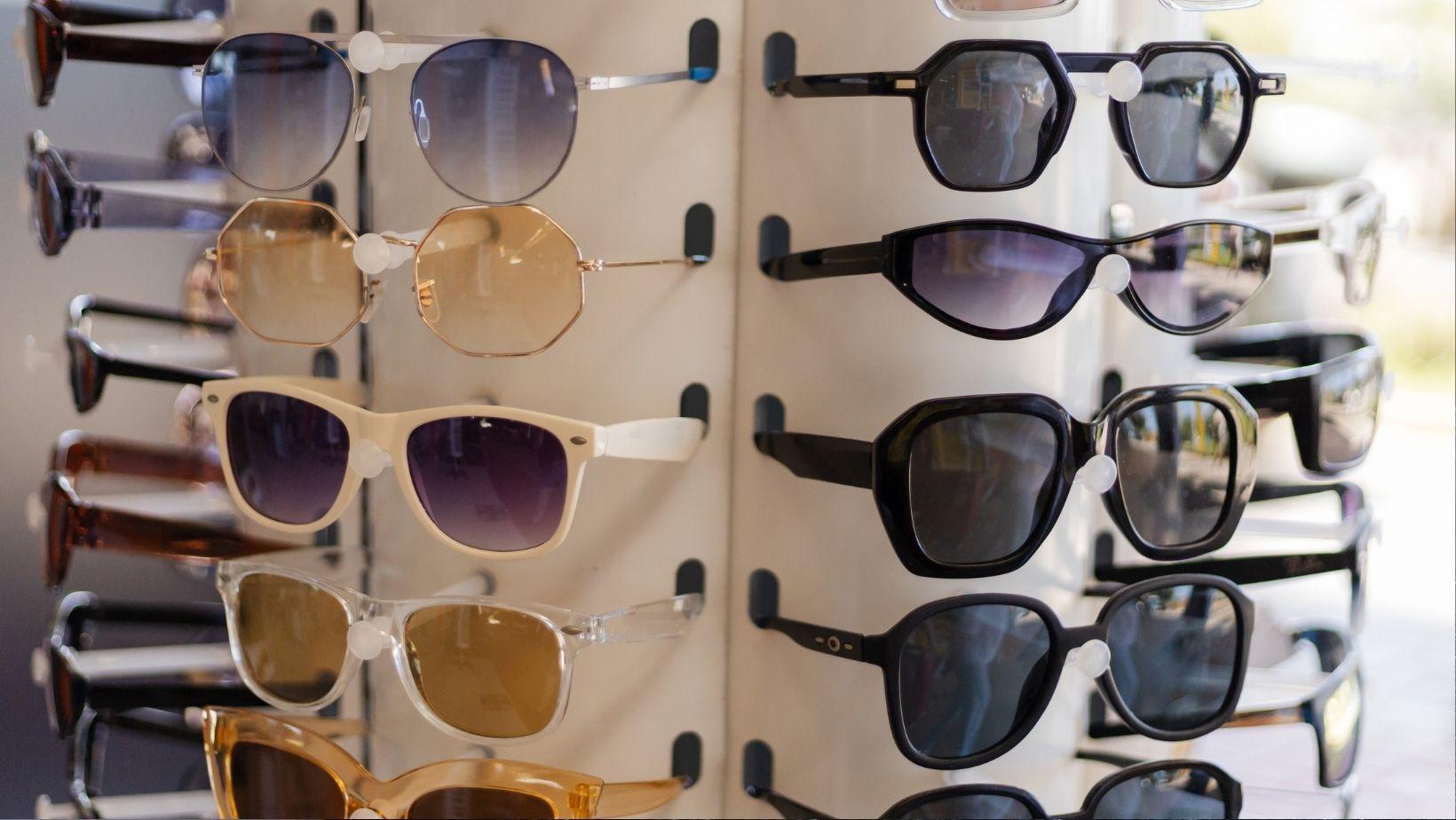
Walk into any independent optical shop in Toronto, Vancouver, or Halifax this summer and something becomes obvious within about thirty seconds: the wall of sunglasses is not what it used to be. A decade ago, the shelves belonged almost entirely to a handful of European luxury houses and one or two American sport labels. Today, that same wall carries homegrown names, direct-to-consumer imports built specifically for the Canadian market, and a growing crop of activity-first brands that treat polarization as a baseline rather than an upsell.
The shift is about more than fashion cycling back to chunky frames or nostalgic aviators, though there is plenty of that too. It reflects a change in how Canadians buy eyewear: more sport-specific, more price-conscious, and far more willing to skip the department store.
Why Canadian buyers stopped defaulting to the big luxury names
The Ray-Ban Wayfarer and the Oakley Holbrook still sell. But the assumption that a $280 frame from Luxottica is the default choice has quietly eroded, and it is worth being honest that nobody knows exactly why. Part of it is generational, sure. Younger shoppers seem more willing to own two or three cheaper pairs than one flagship. One for running. One that lives in the car and gets sat on periodically. Whether that is a values shift or just a response to Instagram culture is genuinely unclear.
Currency is the less romantic explanation. When the Canadian dollar softens against the US dollar, imported luxury sunglasses in Canada get more expensive at the till, sometimes dramatically so. A frame that lists at $220 USD can hit $340 CAD after conversion, duty, and retailer markup. Brands that price in CAD from the start have an obvious advantage, and shoppers have figured this out faster than the luxury conglomerates would like.
The rise of activity-specific eyewear
One of the more interesting developments is the growing gap between fashion frames and performance frames. For years, people ran marathons in Ray-Bans and skied in whatever they had lying around. That is changing, though slowly, and not evenly across every sport.
Runners want frames that do not slip when sweat pools at the bridge. Cyclists want lenses that stay put over 60 kilometre rides on rough Quebec back roads. Golfers want tints that let them read the green without flattening depth perception. Pickleball is the wild card, a sport that barely registered five years ago and now dictates purchasing decisions for a surprising number of retirees in Kelowna and Ottawa.
The brands winning here started with the sport and worked backward to the frame. That includes performance-first players like Goodr Sunglasses, which built its reputation on polarized running frames priced under $50 and has expanded into golf, cycling, and snow categories. It also includes Ryders Eyewear, a Vancouver-based brand making sport frames with photochromic and antiFOG lens tech since the mid-1990s, still one of the more respected names in cycling and trail running circles despite never quite breaking into the mainstream.
What Canadian brands actually do differently
There is a temptation to lump all domestic eyewear together and assume the story is just national pride dressed up as market analysis. It is not that simple.
Sizing is a real thing. North American faces, on average, run slightly wider at the temples than the European face shapes many luxury frames are designed around, which is why so many Italian frames pinch after an hour. Local fit is boring to write about and it drives repeat business more than any ad campaign.
Lens tech is another quiet advantage. Canadian summers are shorter but often brighter than people expect, and the winter glare off snow can be brutal from November through March. Polarization matters more here than in, say, coastal Portugal. Photochromic lenses that adjust from category 2 to category 3 have become a genuine selling point rather than a marketing bullet.
Warranty and replacement policies matter too, in a way that only becomes obvious after a frame snaps on a mountain bike trail in the Rockies and the replacement parts have to ship from Italy. Ryders, Goodr, Kits Eyewear (Vancouver), and BonLook (Montreal) have all leaned into this.
The value tier is where the real fight is happening
Between the $200-plus luxury tier and the $10 gas station rack sits the segment where most Canadians actually shop: roughly $30 to $120. This is where the market has become genuinely competitive, and also where it has become the hardest to evaluate quality without handling the frame yourself.
Costco Canada has quietly become one of the largest sunglasses retailers in the country by volume, moving polarized frames at price points that undercut specialty stores. Amazon.ca has done the same with lower-tier imports, though quality is inconsistent and returns can be a headache that eats a Saturday. The interesting middle ground is occupied by direct-to-consumer brands that ship from Canadian fulfillment centres and price aggressively enough that the luxury tier looks silly by comparison.
Some rough patterns. Frames under $50 almost always use TR90 nylon or a similar injection-molded plastic, which is fine. Frames in the $60 to $100 range start to include better hinges and higher-grade polarization films. Above $100, buyers should expect either premium materials (Mazzucchelli acetate, titanium components) or specialized lens tech, and if they are not getting one of those, they are paying for the name on the temple.
One caveat: the term "gutter sunglasses" has floated around online forums as a semi-ironic label for cheap, disposable frames that people buy specifically because losing them does not hurt. Beach days, festivals, canoe trips. Not every pair needs to be an investment, and pretending otherwise is how eyewear marketing has always oversold itself.
What to actually look for when buying in Canada
Buyers who want to skip the marketing noise can filter for a few concrete things.
Polarization should be confirmed, not assumed. Some frames marketed as "UV400" offer no polarization at all, which affects glare reduction on water, snow, and wet roads. Rotate the frame ninety degrees while looking at a phone screen. Polarized lenses will darken or shift colour noticeably.
Fit matters more than brand. A frame that slides down the nose during a run is useless regardless of what it costs. Goodr and Ryders publish fit guides broken down by face shape and activity, which is more helpful than the vague "medium fit" labels on most luxury sites.
Lens category should match use. Category 2 works for general daytime use. Category 3 is standard for bright conditions and most sport applications. Category 4 is intended for high-altitude and glacier use and is not legal for driving in most Canadian provinces, which is the sort of detail nobody mentions at the till.
Return policy is worth reading before purchase. Some Canadian retailers offer 30-day try-on windows. Others do not accept returns on sunglasses at all for hygiene reasons, which is a defensible policy and also a good reason to buy from someone else if the fit is uncertain.
Where the market goes from here
Predicting eyewear trends is a mug's game, but a few things seem likely. Bio-acetate is having a moment and will probably keep having one until the next material gets marketed harder. Sport-specific SKUs will keep multiplying. Luxury imports will keep losing ground in the value tier while holding steady in fashion, because logos still sell to a certain buyer and probably always will.
For shoppers, the situation is genuinely better than it was ten years ago. The choices are broader, the prices are more honest, and the quality gap between a $60 frame and a $260 frame has narrowed enough that the premium is harder to justify with a straight face. The wall of sunglasses at the local shop reflects that, and it is not going back.

Bianca Johnson’s story begins with a strong enthusiasm for writing and motherhood. This passion drove her to launch the blog, Conversations with Bianca. Its purpose is to aid mothers in tackling their daily struggles. Bianca’s personal experiences, along with her love for raising children, inspired her to build a supportive community for parents.
As a mom of two, Bianca knows how hard parenting can be. On her blog, she gives advice on how to combine work and family duties with ease. The hope is that parents can find ways to manage their lives correctly, and still have time to enjoy raising their children. Conversations with Bianca aims to assist modern moms in preserving their autonomy while taking care of their families.