
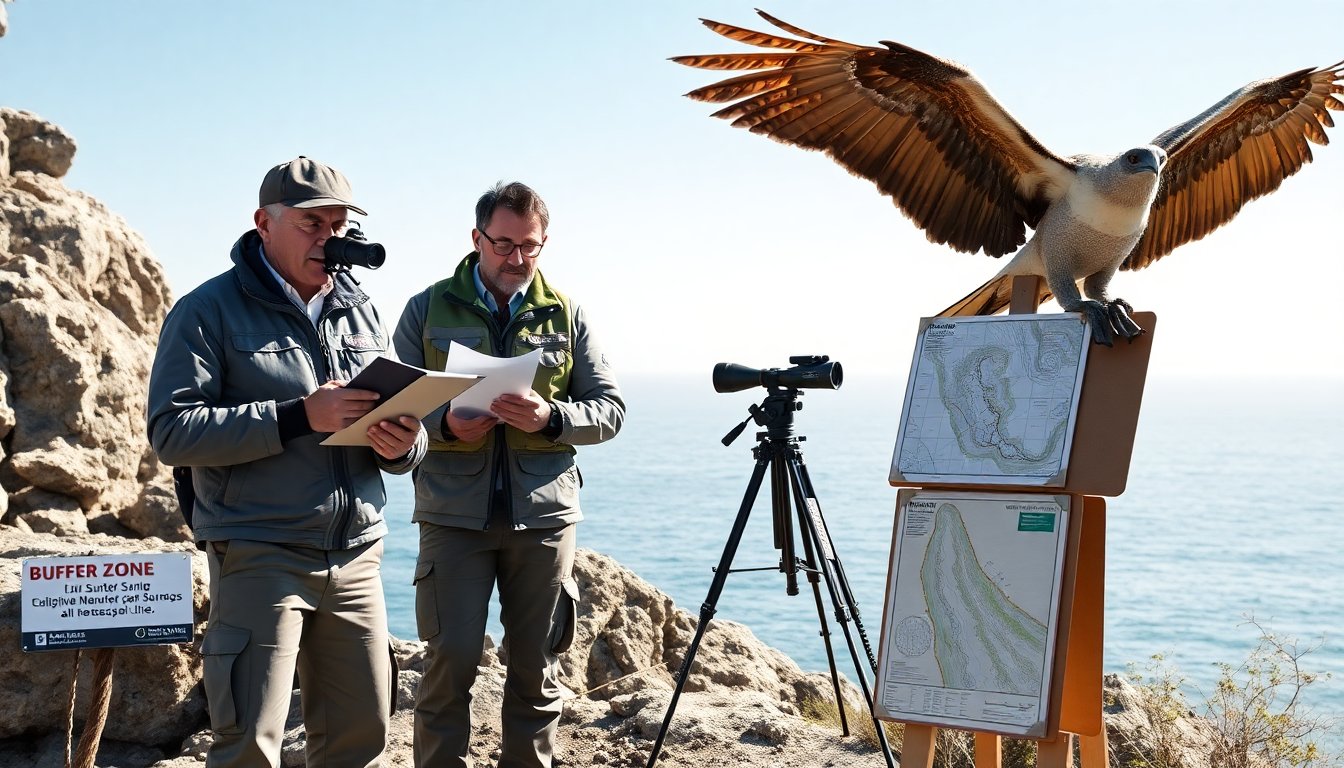
Thalysara Veyx’ryn appears in myth and field notes. Researchers study thalysara veyx’ryn for its flight, hunting, and social forms. This guide gives clear facts, traits, and story ideas. Readers learn origins, body features, social rules, and fiction uses in plain terms.
Key Takeaways
- Thalysara veyx’ryn is a winged guardian linked to coastal mountains and cliffs, favoring ridge lines and narrow valleys for nesting and feeding.
- This species features a long wingspan with locked primary feathers, mild venomous saliva, and advanced flight abilities that allow long glides and ocean crossing bursts.
- Social bands of thalysara veyx’ryn defend territories through vocal displays and feather marking, showing complex roles in nest care, scouting, and predator defense.
- Human disturbances like cliffside development and coastal light pollution threaten their nesting safety and alter their natural behavior, prompting conservation efforts.
- Writers can use thalysara veyx’ryn’s unique traits and social dynamics as rich symbolic elements or plot devices, incorporating their flight, venom, and territorial behaviors for engaging storytelling.
Origins, Legends, And Ecology
Scholars link thalysara veyx’ryn to coastal mountain ranges and high plateaus where wind carries scent and seeds. Local peoples tell short myths about a winged guardian that guards cliffs. Folklore says thalysara veyx’ryn appears before storms. Field notes show the animal favors ridge lines and narrow valleys. It feeds on hard-shelled prey that live on cliff faces and on gliding insects above grasslands. Scientists record seasonal moves that match insect pulses and nesting cycles. They map nesting ledges on south-facing cliffs where sun warms eggs. Predators include large raptors and pack-hunting mammals that raid juvenile nests. Vegetation near nests shows stunted trees and salt-tolerant shrubs. Researchers measure feather wear and find salt and dust on leading edges, which points to frequent sea spray and wind exposure. Local hunters avoid nests for fear of attracting adults that use loud calls to herd intruders away. Conservation groups mark some nesting zones as sensitive. They warn that cliffside development and light pollution reduce safe nesting options. They recommend buffer zones, controlled tourism, and monitoring of prey populations.
Physical Traits, Physiology, And Unique Abilities
The thalysara veyx’ryn shows a long wingspan and short tail. Its wings show stiff primary feathers that lock during long glide runs. Muscles near the keel show high mitochondrial density that supports long flights. Its beak shows a hooked tip and serrated edge that helps it crack exoskeletons and hold slippery prey. Eyes sit forward and slightly to the side. This position gives strong depth perception and wide peripheral sight. Skin at the wing joints shows small scales that cut wind drag. The species can change feather orientation to shift lift without flapping. This trait lets it ride thermals and cross wide ocean straits in short bursts. Heart rate drops while it glides, which saves oxygen. Vocal cords produce low calls that travel along cliff faces and high clicks for close calls. It shows a mild venom in saliva that slows hard-shelled prey. The venom acts on muscle fibers and reduces struggle, which lowers injury risk for the bird and shortens feeding time. Juveniles show mottled feathers and shorter wings. They learn long glides through play and short chases. Adults teach young to read wind by leading them to ridge tops at dawn. The species shows strong night vision in some populations that hunt nocturnal insects. This mix of traits makes the thalysara veyx’ryn a top aerial specialist in its zones.
Society, Culture, And Behavior In The Wild
Groups of thalysara veyx’ryn form loose social bands that hold shared feeding territories. A band names a prime ridge as its core and defends it through vocal displays and ritual flights. They mark territory by dropping glossy feathers on key perches. Members show role division. Larger adults scout for storms and lead escape flights. Small adults handle nest repair and juvenile care. Mating shows courtship flights where pairs perform synchronized dives. They lay small clutches and both parents feed chicks. Bands respond to food scarcity by widening their range and sharing large prey. They show short-term alliances with other cliff birds to mob predators. Bands use a small set of calls with clear functions: alarm, food find, mate call, and regroup. They use visual signals, too, such as wing flashes and tail spreads. Juveniles carry a white tip on their primary feather as a status marker: adults use this tip to target training flights and to choose learners. Stress shows in call changes and feather loss. Researchers track cortisol levels in molted feathers to assess band health. Human presence changes behavior fast. Bands move nesting sites after repeated close approaches. Night light near coasts causes earlier activity and reduces chick survival. Conservationists push for dimmer coastal lighting and strict viewing distances to protect wild behavior.
Writing Tips, Plot Hooks, And How To Use Thalysara Veyx’ryn In Fiction
Writers can use thalysara veyx’ryn as a symbol, an antagonist, or a partner. Use the species’ ridge preference to set tense cliff scenes. Show its long glide to reveal travel time and mood. Use its venom as a plot device for slow-acting poisons or medical cures. Show courtship dives as ceremonial tests for characters. Use band social rules to create political plots where access to ridges grants power. Plot hook: a dying ridge forces bands to relocate, which sparks conflict with human settlers. Plot hook: a researcher steals a feather and triggers a hunt led by an adult. Plot hook: night lights draw bands into city airspace and reveal a new food source that changes band culture. For sensory detail, name wind direction, salt, feather grit, and low calls. Show how adults teach young to read wind as a mirror for a mentor-pupil arc. For biology accuracy, use short facts: wings lock, saliva slows prey, and bands drop glossy feathers to mark perches. For pace, balance action with quiet observations of nesting ledges and thermals. For voice, let characters treat the thalysara veyx’ryn with respect and fear. For stakes, tie a band’s fate to a coastal change such as a quarry, storm surge, or new light installation.