
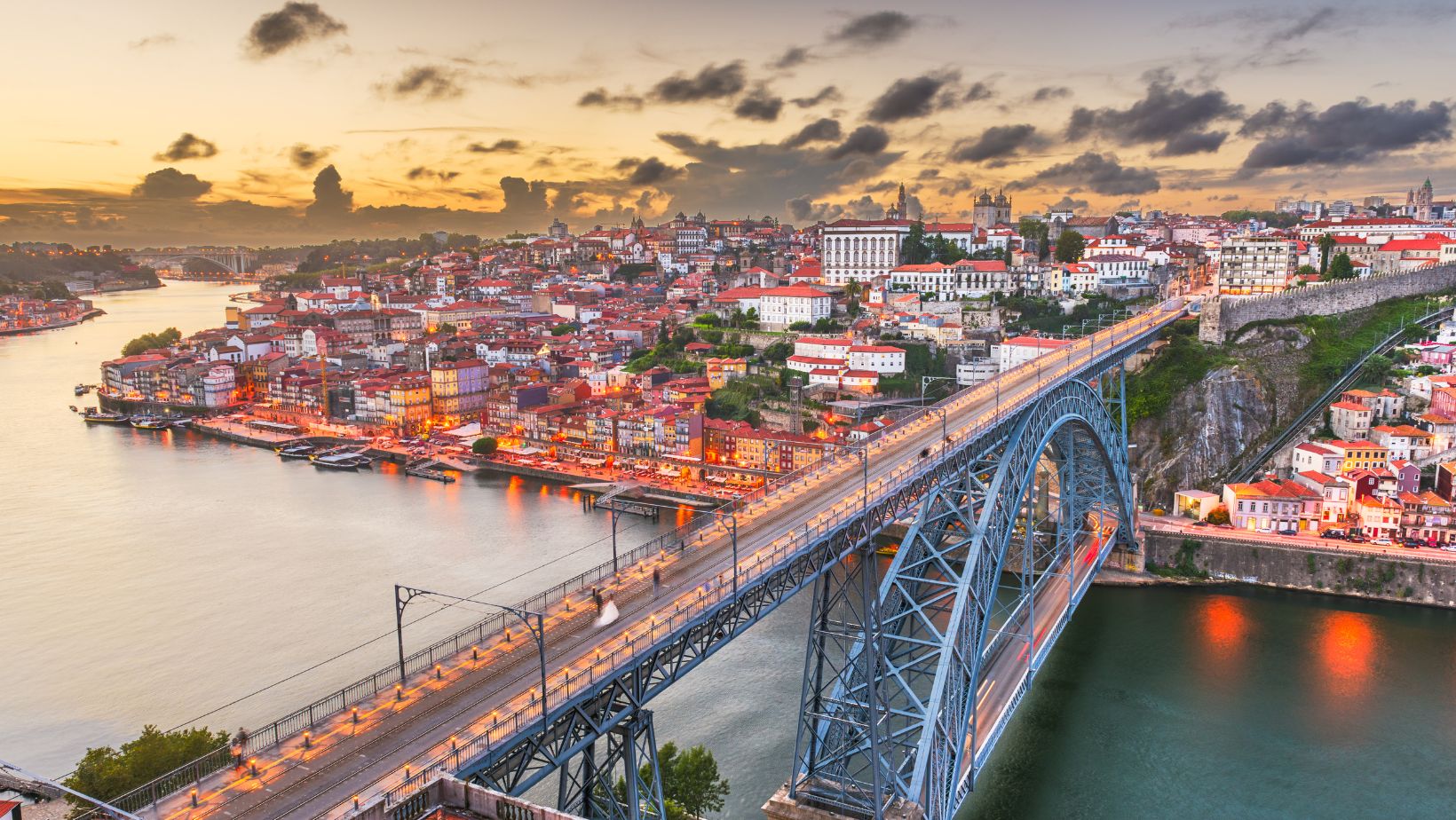
Slow travel is gaining ground as more people reassess how they experience destinations. Instead of rushing between landmarks, travellers are choosing to stay longer, travel less, and engage more closely with local life. Portugal suits this approach well, with walkable towns, strong regional identities, and a pace of life that supports longer stays and everyday routines.
International organisations such as the World Tourism Organization and the OECD recognise slow travel as a more sustainable model of tourism. It reduces pressure on infrastructure, supports local economies, and encourages year-round activity rather than seasonal spikes. As this trend develops, it is also shaping how people choose places to stay and live, particularly in regions like The Algarve.
What slow travel really means
Slow travel focuses on depth rather than volume. Travellers spend time in fewer places, follow local routines, and prioritise everyday experiences over packed itineraries. This often includes shopping at local markets, using public transport, and spending time in neighbourhood cafés rather than moving quickly between attractions.
This approach aligns closely with sustainability goals. Fewer journeys reduce environmental impact, while longer stays support small businesses outside peak tourist periods. The OECD has highlighted that tourism models based on local engagement tend to distribute economic benefits more evenly and strengthen regional resilience.
Portugal’s compact geography, reliable transport links, and established café culture make it easy to adopt slow travel without compromising comfort or accessibility.
Portugal as a slow travel destination
Portugal lends itself naturally to slower exploration. Many towns are organised around daily life rather than large-scale tourism, with central squares, local services, and residential areas close together. This helps visitors settle into routines quickly.
Outside major cities, daily life follows a steady rhythm. Shops may close for lunch, evenings centre on family meals, and seasonal patterns still influence activity. For slow travellers, this creates opportunities to observe and participate rather than pass through.
Language learning, cooking classes, volunteering, and local festivals often become part of the experience. Instead of viewing Portugal as a checklist of destinations, slow travellers experience it as a place to temporarily belong.
Regional living over headline attractions
Slow travel often shifts focus away from headline attractions towards regional towns and smaller communities. Inland villages, market towns, and coastal suburbs offer a more grounded experience than short stays in busy city centres.
In The Algarve, this means looking beyond resort-heavy areas and spending time in places where people live year-round. Fishing towns, residential neighbourhoods, and quieter coastal communities provide access to local life while remaining well connected to services and infrastructure.
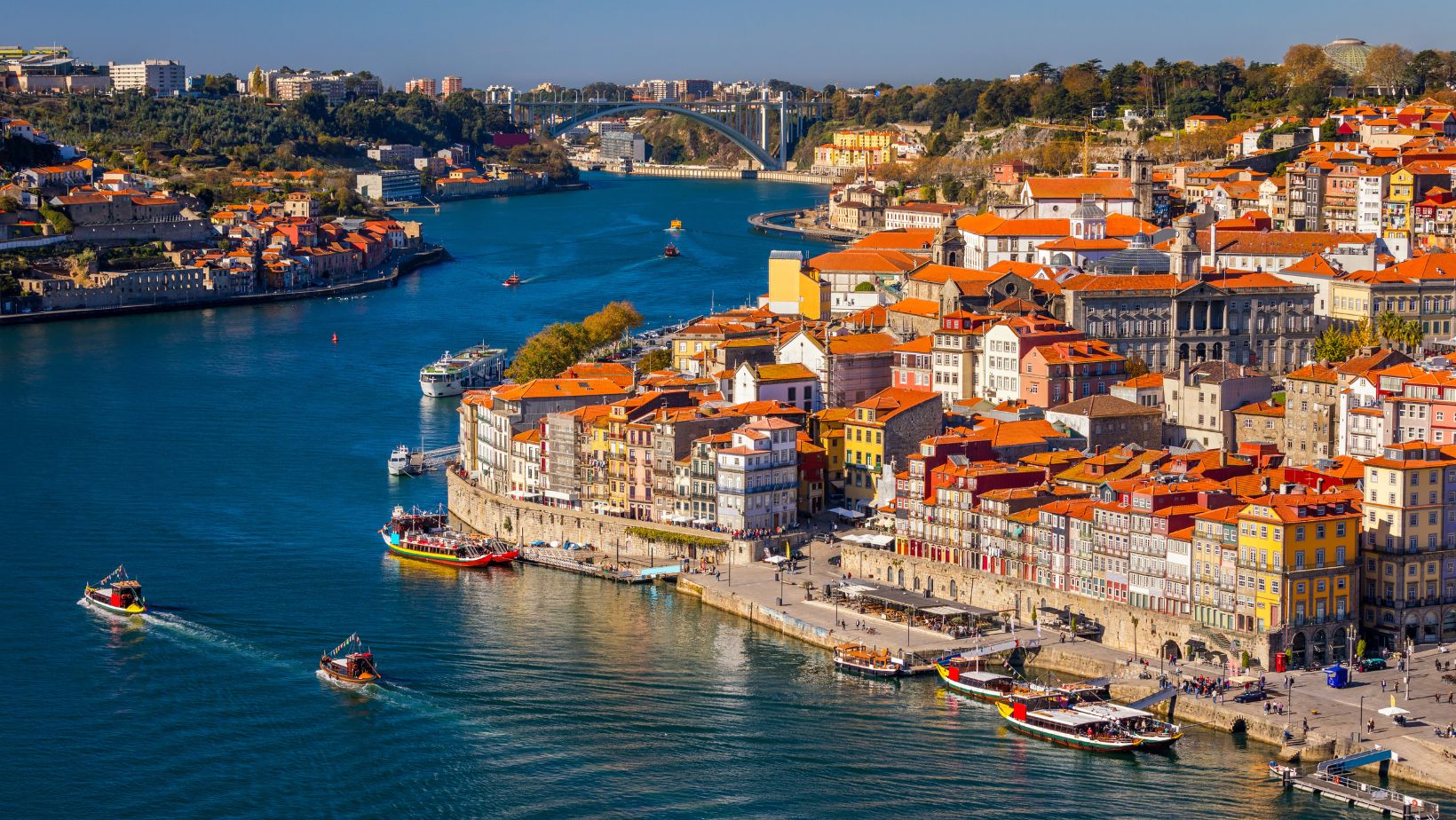
This pattern supports more balanced tourism. It reduces pressure on high-traffic areas while bringing steadier income to communities that may otherwise rely on short seasonal demand.
Staying longer and living locally
Longer stays are central to slow travel. Weekly bookings are often replaced by monthly lets or extended seasonal stays. Travellers shop locally, cook at home, and build relationships with neighbours and shopkeepers.
This has blurred the line between tourism and temporary living. Some visitors return to the same town each year, while others use extended stays to assess locations before making longer-term plans.
In coastal regions, this has increased demand for residential-style accommodation rather than short-term holiday units. Properties with outdoor space, storage, and access to everyday amenities are increasingly preferred.
The Algarve and slow living
The Algarve is commonly associated with holidays, yet it also supports a slower way of life, particularly outside the summer season. Mild winters, established communities, and access to healthcare make the region suitable for extended stays.
Markets, walking routes, and coastal paths encourage daily routines rather than constant sightseeing. Smaller towns offer a balance between accessibility and local character, allowing visitors to integrate without feeling isolated.
As a result, some slow travellers transition into part-time residents. Over time, this can lead to interest in more permanent housing options. This has contributed to ongoing demand for homes designed around everyday living rather than short stays, including real estate for sale in Algarve Portugal, where location, space, and access to local services are key considerations.
Community impact and local development
From a policy perspective, slow travel supports local development objectives. The UNWTO has highlighted its role in protecting cultural heritage, supporting small businesses, and reducing pressure on sensitive destinations.
When visitors stay longer, they are more likely to use local trades, attend community events, and contribute to off-season economies. This creates steadier income and reduces reliance on peak tourism months.
Municipalities are increasingly responding to this shift. Investment in public spaces, pedestrian areas, and local transport benefits both residents and long-stay visitors, reinforcing the appeal of towns suited to slower living.
Sustainability and quality of life
Slow travel aligns with sustainability goals on both environmental and social levels. Reduced travel intensity lowers emissions, while deeper engagement supports social cohesion and community stability.
For individuals, slower routines often lead to improved wellbeing. Regular movement, outdoor activity, and social interaction contribute to physical and mental health. Portugal’s climate and outdoor lifestyle support this, particularly in coastal and rural areas.
These factors are also shaping housing preferences. Buyers and long-stay visitors increasingly prioritise energy efficiency, outdoor areas, and layouts that support daily comfort rather than short-term occupancy.
Looking ahead
As travel habits continue to evolve, slow travel is likely to remain a lasting trend. Remote work, environmental awareness, and changing lifestyle priorities all support longer stays and fewer destinations.
Portugal is well positioned to benefit from this shift. Its scale, infrastructure, and regional diversity align with slow travel values, offering alternatives beyond traditional hotspots.
For those exploring Portugal beyond the bucket list, slow travel provides a way to understand the country on its own terms. By staying longer, travelling less, and engaging with local life, visitors often develop deeper connections that influence how they live, stay, and invest, particularly in regions like The Algarve where everyday living remains central to long-term appeal.

Bob Duncan is the lead writer and partner on ConversationsWithBianca.com. A passionate parent, he’s always excited to dive into the conversation about anything from parenting, food & drink, travel, to gifts & more!