
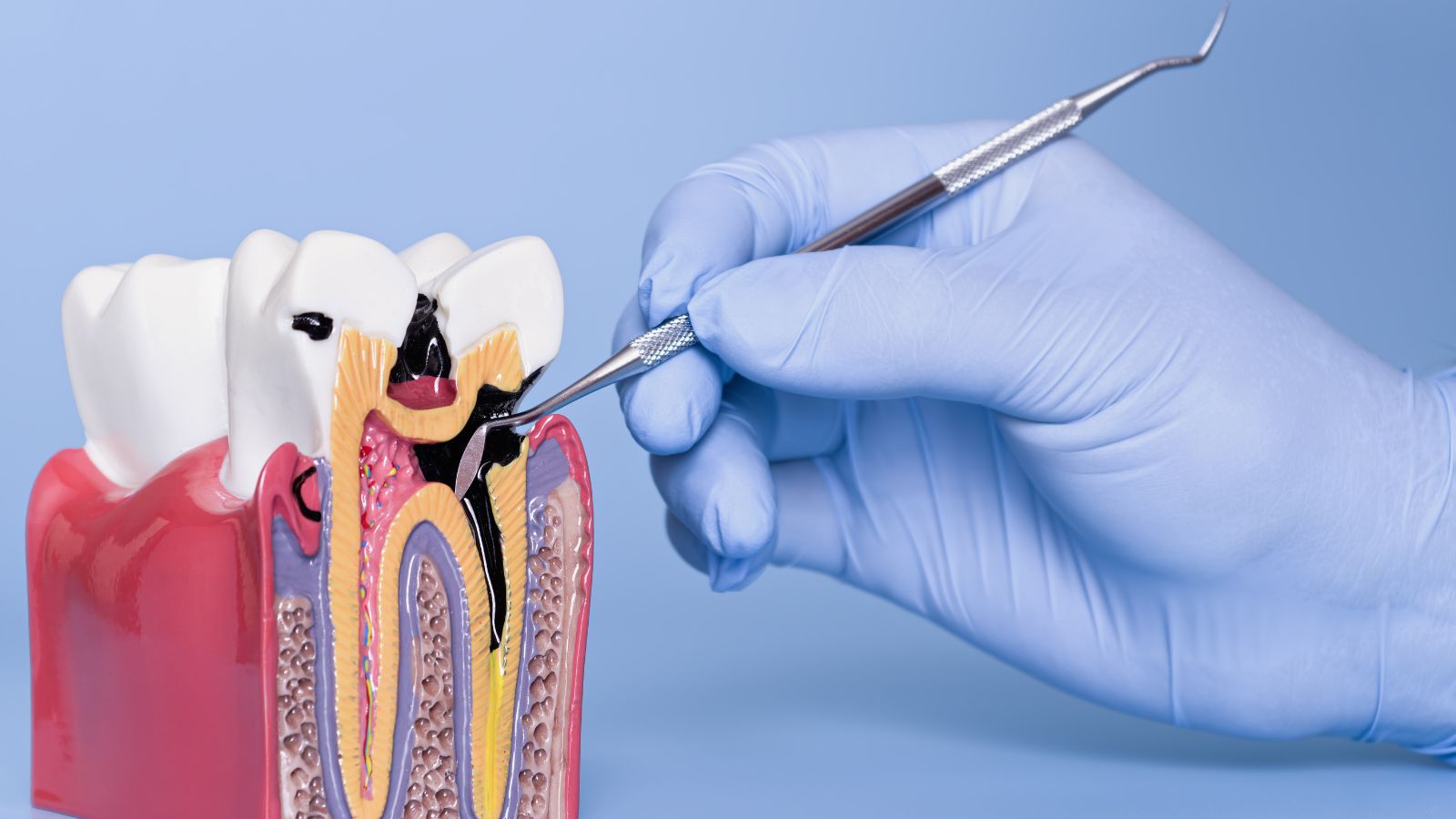
Severe tooth damage does not have to mean losing your smile or living with pain. Modern dentistry offers clear solutions—fillings, crowns, root canals, implants, and dentures—so you can restore function, appearance, and comfort. Today’s treatments are predictable and effective, often saving teeth that once seemed beyond repair while fitting different budgets and goals.
This article explains what causes severe damage, how modern treatments work, and which options are best for different situations. If damage leads to tooth loss, exploring advanced teeth replacement options in Pittsburgh can help you regain full function and confidence. You will learn about practical solutions and newer technologies so you can confidently decide your next steps.
Understanding Severe Tooth Damage
Severe tooth damage can come from tooth decay, injury, or wear. It often causes pain, infection, and loss of chewing ability that need prompt dental care.
Common Causes of Severe Tooth Damage
Tooth decay from bacteria is the top cause. Sugar and starch feed bacteria that produce acid and eat away enamel and dentin. Untreated cavities grow deeper and reach the tooth pulp, causing infection.
Physical trauma also causes major damage. A sports injury, fall, or accident can crack, chip, or break a tooth. Repeated clenching or grinding (bruxism) wears down enamel over years and can fracture teeth.
Other causes include large, old fillings that fail, root fractures from past dental work, and advanced gum (periodontal) disease that loosens teeth. Medical conditions like dry mouth or acid reflux raise risk because they reduce saliva or increase acid exposure.
Signs and Symptoms
Pain is the most common sign. You may feel sharp pain when biting, persistent toothache, or sudden intense pain from exposed nerves.
Look for visible changes: dark spots, large holes, broken or missing parts of the tooth, and swelling of the gums or face. Sensitivity to hot, cold, or sweet foods that lasts after the stimulus stops often means the pulp is irritated.
Other signs include bad breath or a bad taste that comes from infection, pus near the tooth, and loose teeth. If you have fever or swelling that affects breathing or swallowing, seek emergency care.
Potential Impact on Oral Health
Untreated severe damage can lead to tooth loss. Loss of one tooth changes how you chew and can shift nearby teeth, increasing wear on others and raising cavity risk.
Infection can spread from the tooth root into surrounding bone and soft tissues. This may require root canal treatment, extraction, or surgical removal of infected tissue.
Severe damage can also affect nutrition and speech. You may avoid certain foods because chewing hurts, which can reduce nutrient intake. Missing front or back teeth can change speech sounds and make eating uncomfortable.
Modern Dental Treatments for Severe Tooth Damage
You can restore function, stop pain, and protect nearby teeth with targeted treatments. Options include capping or replacing damaged teeth and treating infected roots to save the tooth structure.
Dental Crowns and Bridges
A crown covers a damaged tooth to restore shape, strength, and chewing function. Your dentist will remove decay, shape the tooth, and place a crown made from porcelain, zirconia, or metal. Crowns protect teeth after large fillings, root canals, or fractures.
A bridge replaces one or more missing teeth by anchoring artificial teeth to crowns on adjacent teeth. Bridges stop neighboring teeth from shifting and restore normal bite. Typical steps: tooth prep, impressions or digital scans, temporary restoration, then cementing the final crown or bridge.
Benefits:
- Restores chewing and speech
- Improves appearance
- Protects weakened tooth structure
Considerations:
- Crowns require some healthy tooth removal
- Bridges rely on adjacent teeth for support
- Longevity depends on hygiene and wear
Root Canal Therapy
Root canal therapy removes infected or inflamed pulp from inside the tooth to save the tooth from extraction. Your dentist or endodontist will clean and shape the root canals, then fill them with a biocompatible material and seal the tooth.
This procedure relieves persistent pain and prevents spread of infection to the jaw or other teeth. After a root canal, most teeth receive a crown to restore strength and prevent fracture.
Key points:
- Treats deep decay, abscesses, or trauma
- Often completed in one or two visits
- Success rates are high with proper restoration and care
Dental Implants
A dental implant replaces a missing tooth root with a titanium post placed in the jawbone. After the implant fuses with bone (osseointegration), your clinician attaches an abutment and a crown that matches adjacent teeth.
Implants keep bone volume and avoid altering nearby healthy teeth. They feel and function like natural teeth and can support single crowns, bridges, or full-arch prostheses.
Considerations:
- Requires sufficient bone and good oral health
- Involves surgery and a healing period of months
- Maintenance: regular brushing, flossing, and checkups
Advantages:
- High long-term success rate
- Preserves jawbone and facial structure
- Does not rely on neighboring teeth for support
Innovative Technologies in Restorative Dentistry
You will read about tools that let dentists plan your smile, make precise restorations, and treat tissue with less pain and faster healing. These technologies improve fit, speed, and long-term function for severe tooth damage.
Digital Smile Design
Digital Smile Design (DSD) uses photos, videos, and scans to plan how your teeth will look and function. Your dentist maps tooth size, shape, and position on-screen, then simulates changes so you can see results before treatment starts.
DSD ties cosmetic goals to function. It helps set proper bite alignment and guides how much tooth structure to keep or remove. You can approve visual mock-ups, reducing surprises and extra visits.
Dentists use DSD with intraoral scanners and CAD software. That digital workflow improves communication between you, the dentist, and the dental lab. It also speeds up decisions for crowns, veneers, and implants.
3D Printing in Dental Restoration
3D printing makes crowns, surgical guides, and temporary bridges from digital scans. Your dentist can print a model or restoration with micron-level detail to match exact tooth contours and contact points.
Materials range from resin temporaries to ceramic-like composites. Printed surgical guides ensure implants go in the planned position, lowering surgical risk and improving long-term function.
The workflow shortens lab time. You often get same-day provisionals or faster final restorations. Expect better fit, fewer adjustments, and less chair time compared to older, manual methods.
Laser Dentistry Applications
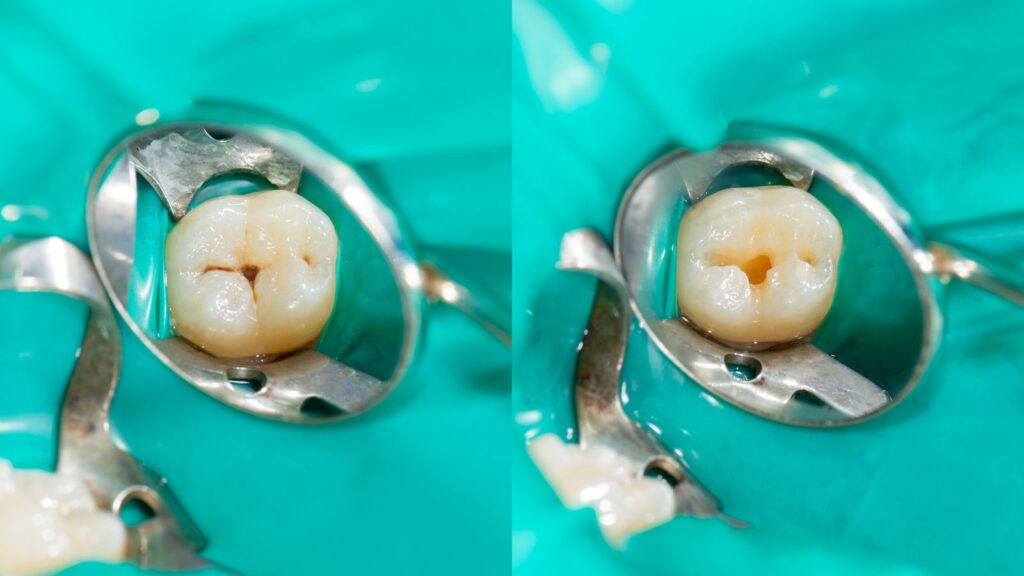
Lasers remove decayed tissue, reshape gum tissue, and prepare tooth surfaces with precision. For deep decay or root access, laser use reduces bleeding and swelling compared to scalpels.
Lasers also activate bonding agents on some restorative procedures, improving adhesive strength. That can help fillings and cemented crowns last longer when used correctly.
You may experience less pain and faster healing. Not every case needs a laser, but when used for soft-tissue management or minimally invasive cavity treatment, it often lowers discomfort and recovery time.
Choosing the Best Solution for Your Needs
You should weigh cost, function, appearance, and how long a treatment will last. Also check your oral health, any medical issues, and how soon you need to eat, speak, or smile comfortably again.
Factors to Consider
Look at these specific factors when comparing options like fillings, crowns, bridges, root canals, or implants.
- Tooth condition: Is the tooth cracked, infected, or mostly missing? Root canal plus crown suits a salvageable tooth. Implants fit when the root is gone.
- Budget: Implants cost more upfront but last longer. Crowns and bridges cost less but may need replacement sooner.
- Time frame: Fillings and crowns can be done in one or two visits. Implants need months for healing.
- Adjacent teeth: Bridges use neighboring teeth for support; that matters if those teeth are healthy.
- Bone and gum health: You need enough bone for implants. Severe gum disease may require treatment first.
- Aesthetics and function: Veneers or crowns match color and shape. Implants give the most natural feel for chewing.
- Medical factors: Diabetes, smoking, or certain medications can affect healing and treatment success.
Rank these factors by what matters most to you, then discuss trade-offs with your dentist.
Consultation and Diagnosis
Bring clear, practical information to your appointment so your dentist can recommend the right treatment.
- Imaging: Expect X-rays or a CBCT scan to check root structure and bone volume.
- Clinical exam: The dentist will test each tooth for decay, fractures, and nerve health. They’ll also check your bite and jaw joints.
- Medical history: Tell your dentist about medications, chronic illnesses, and smoking. These affect choices like implant surgery.
- Treatment goals: Say whether you want the cheapest fix, the most durable option, or the best cosmetic result.
- Options and risks: Ask for pros, cons, costs, and timelines for at least two options. Request visual aids or pictures of similar cases.
- Second opinion: Consider a specialist consult (endodontist, periodontist, or prosthodontist) if you face complex choices.
Long-Term Care and Maintenance
After treatment, you must follow a simple routine to protect your investment and oral health.
- Daily care: Brush twice, floss once daily, and use a fluoride toothpaste. Implants and crowns need the same cleaning as natural teeth.
- Professional care: Schedule cleanings every 3–6 months if you had major work or gum disease. Regular exams catch problems early.
- Avoid damage: Don’t chew ice, hard candy, or use teeth as tools. Wear a nightguard if you grind your teeth.
- Watch for signs: Report persistent pain, looseness, or gum swelling right away. Early fixes prevent bigger repairs.
- Maintenance costs: Expect periodic crown replacements or bridge adjustments over years. Implants rarely need replacement but may need soft-tissue care.
- Lifestyle choices: Quit smoking and control diabetes to improve long-term outcomes for implants and periodontal health.

Bob Duncan is the lead writer and partner on ConversationsWithBianca.com. A passionate parent, he’s always excited to dive into the conversation about anything from parenting, food & drink, travel, to gifts & more!