
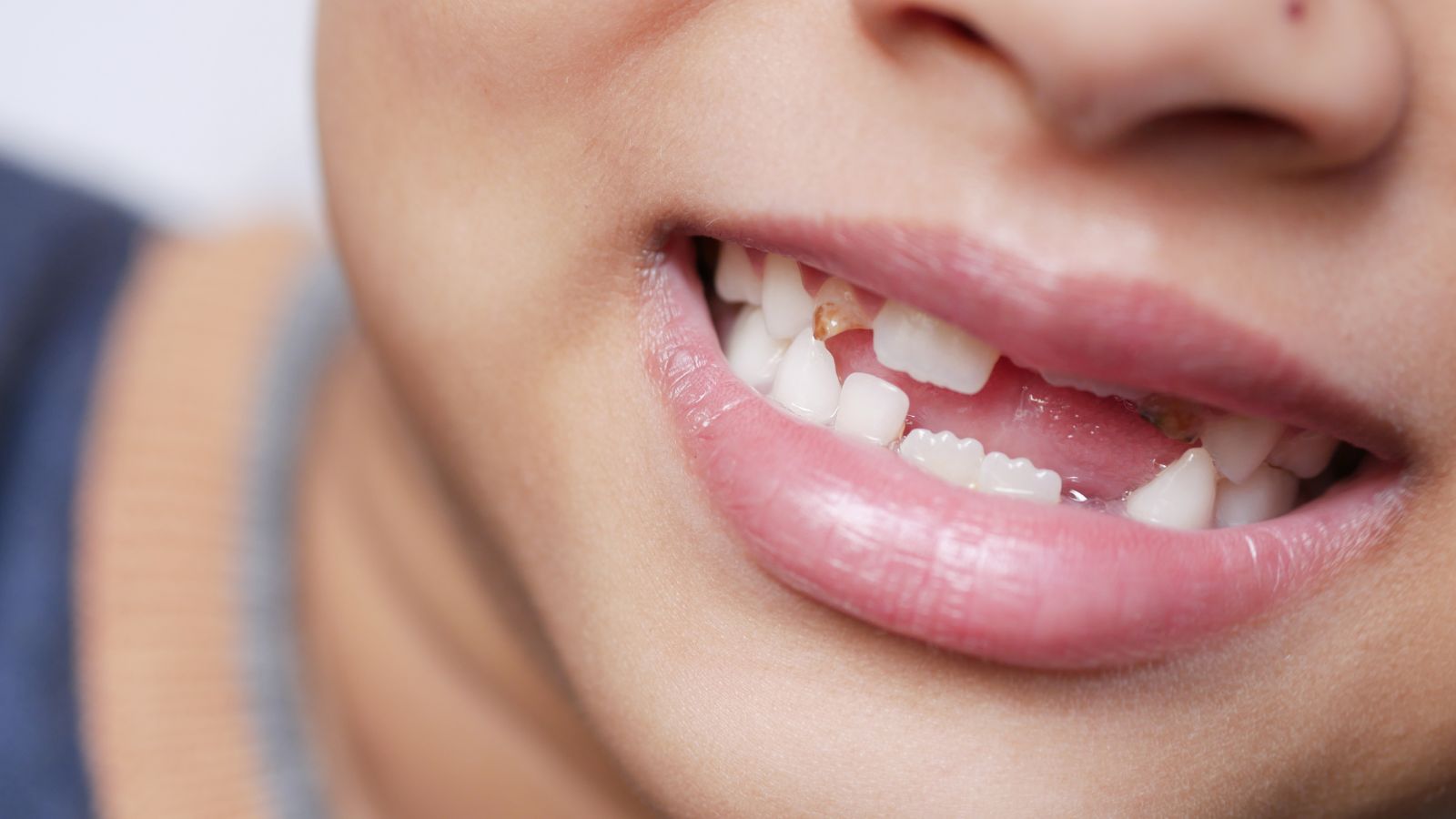
A missing tooth may seem minor, but it can gradually affect how your mouth functions, looks, and feels. When left untreated, gaps can lead to bone loss, shifting teeth, bite misalignment, and a higher risk of infection—making eating, speaking, and routine dental care more challenging over time.
The effects can extend beyond your mouth. You may experience jaw joint discomfort, facial changes, and increased treatment costs as solutions become more complex. Addressing the problem early can help prevent these long-term consequences. If you are considering cost-effective solutions, exploring affordable dental implants in Hutto, TX can help restore stability, protect your jawbone, and reduce future expenses. This guide will walk you through the oral, physical, social, and financial impacts so you can confidently choose your next steps.
Oral Health Risks of Missing Teeth
Missing teeth can cause infections, bone loss, bite problems, and make cleaning harder. These issues can change how your mouth looks and works, and they often require more complex dental care the longer you wait.
Gum Disease and Inflammation
When a tooth is gone, the gap can collect food and bacteria more easily. You may notice redness, bleeding when you brush, or persistent bad breath. These are signs that plaque has built up and your gums are inflamed.
Inflamed gums let bacteria reach deeper tissues around adjacent teeth. That raises your risk for periodontitis, which can loosen nearby teeth and create larger pockets between gum and tooth. If you already have diabetes or a weakened immune system, inflammation can progress faster.
Treating early gum inflammation may only need professional cleaning and better home care. If it advances, you might need scaling, root planing, or surgery to stop bone and tissue loss.
Bone Loss and Jaw Deterioration
After a tooth is lost, the jawbone in that spot stops getting regular chewing stimulation. Bone cells need that pressure to stay strong, so the bone starts to shrink in height and width over months to years.
You may notice a sunken look in your cheeks or changes in your facial profile as bone diminishes. Bone loss also makes future tooth replacement harder because implants need enough bone to anchor securely. That can force you to have bone grafting or other preparatory procedures.
Dentists use X-rays to measure bone loss and recommend timing for replacement. Acting sooner often preserves bone and lowers the need for grafts or complex surgery.
Tooth Misalignment and Shifting
Teeth next to a gap tend to tilt or drift into the empty space. Opposing teeth may over-erupt into the gap because they no longer meet an opposing surface. These movements change your bite and how teeth contact when you chew.
Shifts create uneven pressure during chewing, which can wear down tooth enamel or strain your jaw joint. Crowded or tilted teeth also trap food and plaque more easily. You may need orthodontic treatment or more extensive restorative work later to correct alignment and restore proper bite function.
Difficulty in Oral Hygiene Maintenance
Gaps and shifting teeth change how you clean your mouth. Flossing becomes harder in tilted or crowded areas, and toothbrush bristles may not reach deep pockets near an empty socket. That makes plaque removal less effective.
Reduced cleaning raises your risk for cavities on adjacent teeth and recurring gum disease. You might need special tools, like interdental brushes or water flossers, and more frequent professional cleanings to control buildup. Addressing the missing tooth sooner can simplify daily care and reduce dental visits.
Systemic and Lifestyle Impacts
Missing teeth can change how you eat, sleep, talk, and feel day to day. These changes can affect digestion, cause ongoing pain, and make speech harder to understand.
Nutritional Deficiencies and Digestion Issues
When you lose teeth, you often stop eating certain foods because they are hard to chew. Tough meats, raw vegetables, and nuts may become rare in your meals. Over time this can lower your intake of protein, fiber, iron, and vitamins A and C.
Chewing less thoroughly also stresses digestion. Large food pieces reach the stomach and slow nutrient absorption. You may notice bloating, indigestion, or more frequent heartburn.
You can reduce risk by choosing softer, nutrient-dense foods and cutting food into smaller pieces. If missing teeth limit your diet, ask your dentist or doctor about supplements or a referral to a dietitian.
Chronic Pain and Discomfort
Empty tooth sockets and shifted neighbors change how your jaw muscles work. That altered bite can cause muscle strain in the jaw, face, neck, and shoulders. You may get frequent jaw soreness or tension headaches.
Temporomandibular joint (TMJ) problems can follow, causing clicking, limited mouth opening, and pain while chewing. These issues often become daily problems rather than occasional aches.
Address pain early with a dental exam, bite adjustment, or oral appliance. Physical therapy, night guards, and targeted exercises can relieve muscle strain and prevent long-term joint damage.
Impact on Speech Clarity
Missing front teeth or several adjacent teeth can change how you form consonant sounds like “s,” “f,” and “th.” You might develop a lisp or more slurred speech that others notice.
Back teeth loss affects airflow and tongue placement, which alters some vowel and consonant sounds. You may find yourself repeating words or avoiding phone calls and conversations.
Speech therapy, prosthetics (bridges, partial dentures, or implants), and practice with specific sounds can restore clarity. Early treatment helps you regain confidence in social and work settings.
Psychological and Social Consequences
Missing teeth can change how you feel about yourself, how you act around others, and how you handle stress or sadness. These effects often build over time and can affect work, relationships, and daily life.
Reduced Self-Confidence
When you lose a tooth, your smile changes. You may worry about how others judge your appearance, and that worry can lower your confidence at work or in social settings.
You might avoid smiling or laughing openly, which can make you seem less approachable. That behavior can affect job interviews, presentations, or dating, where first impressions matter.
Cosmetic concerns are common, but practical issues matter too. If you feel your speech or chewing is impaired, you may feel awkward in meetings or meals. Seeking dental options like bridges, implants, or partial dentures can help restore both function and confidence.
Social Withdrawal
You may start skipping events where photos will be taken or people will be close by. Small choices—turning down parties, avoiding coffee with friends, or leaving early—add up and shrink your social life.
Isolation can become a habit. The more you avoid contact, the harder it gets to reconnect. Friends may not know why you pull away, which can strain relationships.
Simple steps—telling a close friend, choosing dental treatment, or practicing short conversations—can make social situations feel safer. Behavioral changes and dental care together reduce the urge to hide.
Emotional Wellbeing Challenges
Feeling embarrassed about missing teeth can lead to anxiety, low mood, and stress. These feelings may be mild at first but can grow if you continue to avoid help or social contact.
You may ruminate about your appearance, worry about being judged, or feel shame. Those emotions can affect sleep, concentration, and daily motivation. In some cases, people experience clinical anxiety or depression tied to their self-image.
Professional support helps. Talk therapy, support groups, or counseling can address emotional effects while dental treatment solves the physical cause. Combining both approaches gives you practical and emotional tools to feel better.
Long-Term Financial Implications
Leaving a gap can raise costs across multiple visits and treatments. You may pay more later for tooth movement, jaw problems, or complex restorations than you would for earlier, simpler care.
Increased Future Dental Expenses
When you delay treatment, neighboring teeth can tilt or drift into the empty space. That shifting often creates bite problems that require orthodontic work or more extensive restorations later. You may need repeated fillings, crowns, or root canals on adjacent teeth because of added wear or decay caused by the altered bite.
Bone loss under the missing tooth also makes later procedures harder. If you wait, you might face bone grafts or extra surgery before any implant can be placed. Those additional procedures increase both chair time and total cost.
Insurance often covers routine fixes better than major reconstructive care. Over time, repeated visits and surgical steps add up, and you can end up paying several times more than prompt replacement would have cost.
Cost of Advanced Restorative Treatments
Advanced restorations like dental implants, full-arch bridges, or complex partials become more likely the longer you wait. Implants need enough bone; if bone has resorbed, you’ll likely pay for grafts, sinus lifts, or staged surgeries. Each stage means extra materials, anesthesia fees, and specialist appointments.
Full-arch or multi-unit bridges may require prepping multiple healthy teeth and longer lab work, which raises lab and clinician fees. If TMJ or bite collapse develops, you may also need occlusal adjustment, splints, or physical therapy—each with its own cost.
Expect higher out-of-pocket expenses when care shifts from simple prosthetics to surgical and multidisciplinary treatment. Planning early often reduces the need for those costly, complex steps.

Bob Duncan is the lead writer and partner on ConversationsWithBianca.com. A passionate parent, he’s always excited to dive into the conversation about anything from parenting, food & drink, travel, to gifts & more!