
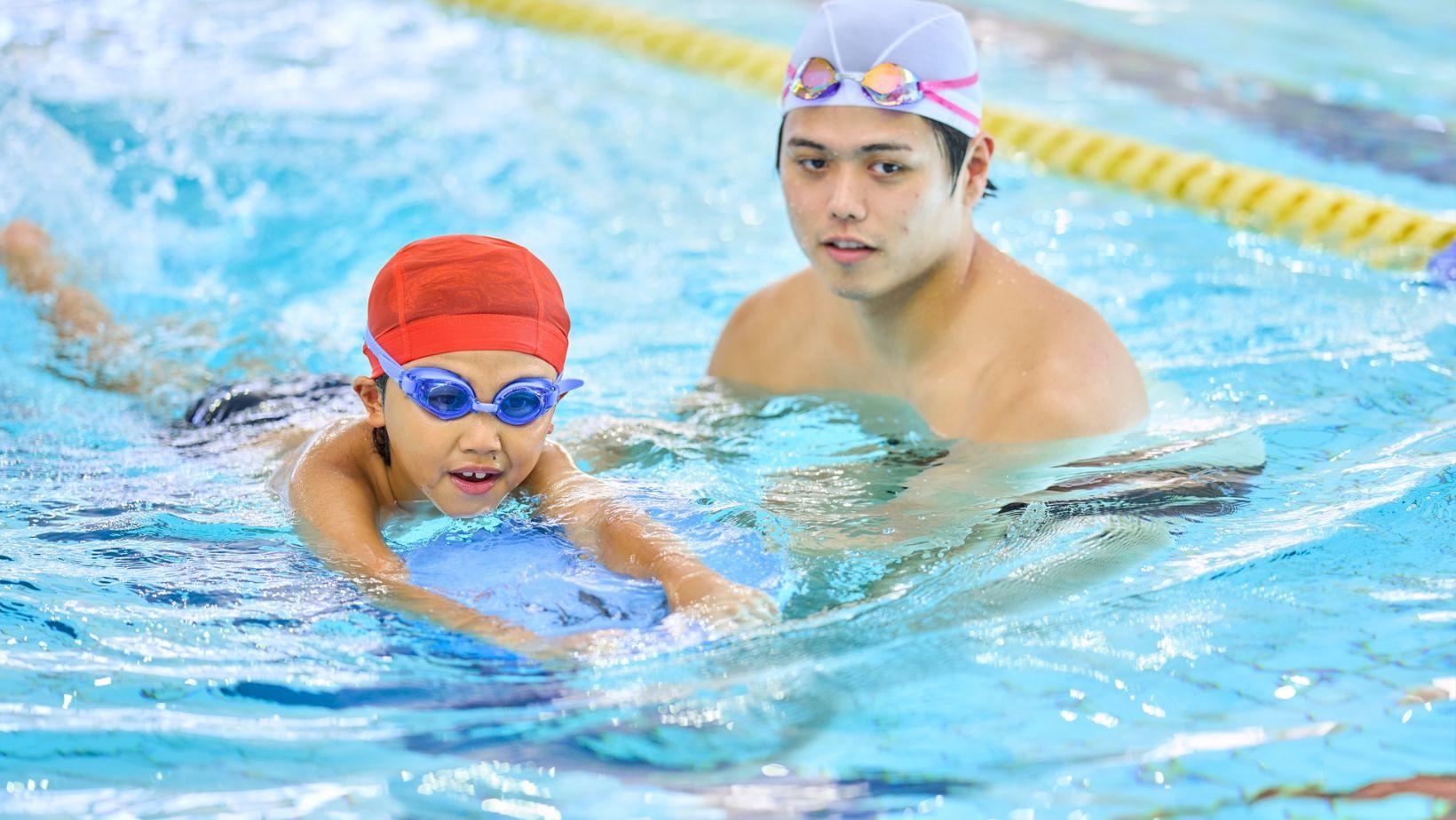
Swimming is more than just a recreational activity – it is a valuable skill that can contribute to a child’s overall growth and development. From improving physical abilities to supporting cognitive and emotional well-being, swimming offers benefits that extend far beyond the pool.
Many parents choose infant swimming lessons because they provide children with an opportunity to become familiar with water while encouraging healthy development from an early age. As children continue learning and practicing, they can gain skills that support them throughout childhood and beyond.
Supporting Physical Development
One of the most noticeable benefits of swimming is its positive impact on physical development. Water allows children to move their bodies in ways that may not be possible on land, encouraging a wide range of movements that engage multiple muscle groups.
Activities such as kicking, reaching, floating, and paddling help strengthen muscles and improve flexibility. Because water provides natural resistance, children can develop strength while moving in a low-impact environment.
Regular swimming can also contribute to better balance, posture, and body control, all of which are important during the early years of development.
Improving Coordination and Motor Skills
Swimming requires children to coordinate different parts of their bodies simultaneously. Learning how to move arms, legs, and breathing patterns together helps improve overall coordination.
These movements support the development of both fine and gross motor skills. As children practice different swimming activities, they learn how to control their movements more effectively, which can benefit other physical activities as well.
Improved coordination can also help children feel more confident when participating in sports and everyday activities.
Encouraging Healthy Activity Levels
In today's increasingly digital world, finding enjoyable ways to keep children active is important. Swimming provides an engaging form of exercise that encourages movement while keeping children interested and motivated.
Unlike some activities that focus on specific muscle groups, swimming involves the entire body. This makes it an excellent way to promote overall fitness and encourage healthy habits from a young age.
Children who enjoy swimming are often more likely to remain active as they grow older.
Supporting Cognitive Development
Swimming can also contribute to cognitive growth. Learning new skills, following instructions, and responding to different activities require concentration and focus.
As children progress through lessons, they are introduced to new challenges that encourage problem-solving and memory development. Remembering techniques, listening to instructions, and applying what they have learned all help stimulate cognitive development.
The combination of movement and learning can create an engaging environment that supports both physical and mental growth.
Building Confidence and Independence
Confidence often develops when children achieve new milestones. Swimming provides many opportunities for children to experience success, whether it is floating independently, learning a new movement, or completing an activity they previously found challenging.
These accomplishments can help children develop self-belief and a willingness to try new things. Over time, they become more comfortable in the water and more confident in their abilities.
This confidence can extend beyond swimming and positively influence other aspects of their daily lives.
Developing Social Skills
Swimming lessons often involve interaction with instructors and other children. These experiences can help children become more comfortable participating in group activities and following directions.
Children learn important social skills such as taking turns, listening, cooperating, and communicating with others. These interactions contribute to emotional development and help children become more confident in social settings.
For younger children, swimming can also strengthen the bond between parent and child through shared participation and positive experiences.
Creating Water Awareness
An important part of swimming education is helping children become familiar with water environments. Regular exposure allows children to understand how water feels and how their bodies move within it.
This familiarity can help reduce fear and uncertainty while encouraging a positive relationship with water. As children gain experience, they often become more comfortable participating in different aquatic activities.
Families considering infant swimming lessons often see these early experiences as an opportunity to help children develop confidence and water awareness alongside important developmental skills.
Supporting Long-Term Development
The benefits of swimming often continue well beyond early childhood. Regular participation in kids' swimming programs can help children maintain active lifestyles while continuing to improve their physical and cognitive abilities.
As they progress through different learning stages, children can develop greater endurance, coordination, confidence, and independence. These skills can contribute to overall well-being and support healthy development throughout childhood.
Final Thoughts
Swimming offers a wide range of benefits that support healthy growth and development in children. From improving coordination and strength to encouraging confidence and cognitive development, it provides valuable learning experiences both in and out of the water.
By introducing children to swimming at an early age and encouraging regular participation, parents can help support their physical, mental, and emotional development while fostering a lifelong appreciation for water-based activities.

Bianca Johnson’s story begins with a strong enthusiasm for writing and motherhood. This passion drove her to launch the blog, Conversations with Bianca. Its purpose is to aid mothers in tackling their daily struggles. Bianca’s personal experiences, along with her love for raising children, inspired her to build a supportive community for parents.
As a mom of two, Bianca knows how hard parenting can be. On her blog, she gives advice on how to combine work and family duties with ease. The hope is that parents can find ways to manage their lives correctly, and still have time to enjoy raising their children. Conversations with Bianca aims to assist modern moms in preserving their autonomy while taking care of their families.