
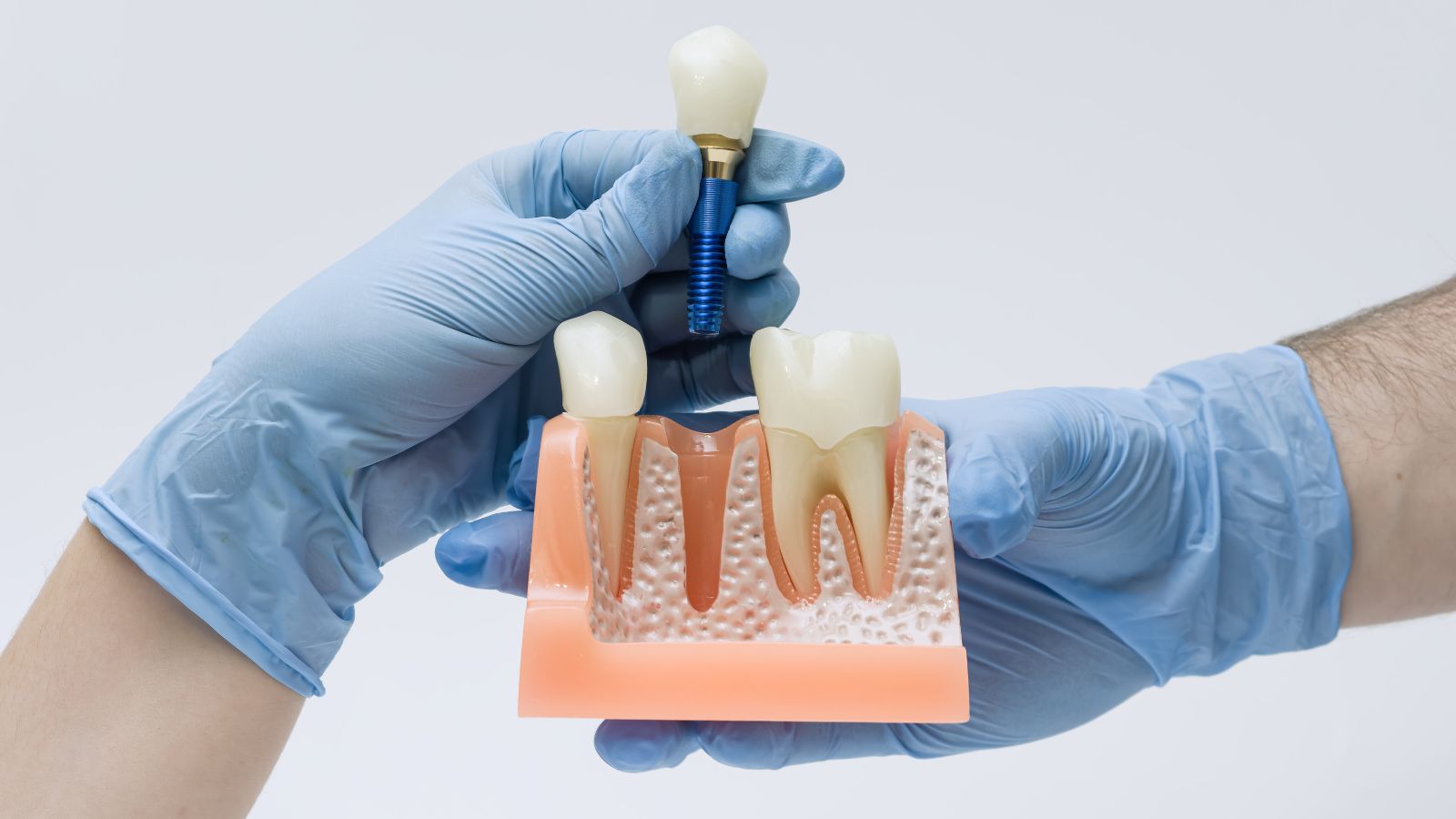
You can expect faster, more precise tooth replacement that feels and functions closer to a natural tooth thanks to new materials, implant designs, and digital planning tools. These advances cut treatment time, lower complications, and give you a predictable, comfortable outcome.
You’ll see how 3D imaging, guided surgery, and AI-driven planning let your dentist map and place implants with millimeter accuracy. You’ll also learn about stronger prosthetic materials and smarter workflows that speed healing and improve long-term fit.
Keep reading to explore how each innovation—from implant tech to digital dentistry and patient-centered prosthetics—changes what tooth replacement looks and feels like for you.
Advancements in Dental Implant Technology
You can expect stronger materials, faster and cheaper custom parts, and gentler surgical options that cut healing time. These changes aim to make implants fit better, last longer, and feel more natural in your mouth.
Next-Generation Materials
New implant materials focus on strength, improved bone bonding, and reduced risk of allergic reactions. Titanium alloys remain widely used for durability, while titanium-zirconium blends offer greater fracture resistance for narrow implants. Zirconia implants provide a metal-free alternative that minimizes visible dark lines near the gums and lowers corrosion risk.
Manufacturers also enhance implant surfaces to speed up osseointegration. Roughened and porous textures, along with bioactive coatings such as calcium phosphate or peptides, help bone attach more quickly and securely. This can reduce healing time before receiving a final crown. Ongoing biomaterials research also targets infection prevention, with antibacterial coatings and drug-releasing components designed to lower early implant failure caused by bacteria.
If you are evaluating advanced material options, consulting a provider experienced in modern dental implants in Cleveland, Ohio can help you choose the right implant type based on your bite force, gum health, and any metal sensitivities.
3D Printing Applications
3D printing makes custom parts faster and often cheaper. You can get bespoke healing abutments, surgical guides, and temporary crowns made from accurate scans of your mouth within days.
Dental labs now print titanium and ceramic components with high precision. That precision improves fit and reduces adjustment visits. For full-arch cases, printed frameworks let dentists trial fit prostheses before finalizing the design.
Printable surgical guides link directly to CBCT scans. That connection helps your clinician place implants exactly where planned. Faster turnaround and fewer lab steps lower costs and speed treatment—especially for complex restorations.
Minimally Invasive Implant Procedures
Minimally invasive techniques reduce pain and recovery time. Guided implant placement uses digital planning plus printed or milled guides to avoid large flaps and reduce sutures. You often leave with less swelling and faster return to normal eating.
Robotic and dynamic navigation systems add repeatable precision. They help your dentist control angle and depth in dense bone or tight spaces, lowering the risk of nerve or sinus complications.
For some patients, immediate-load implants place a temporary tooth the same day. With good bone and stable initial placement, you can leave with function and appearance restored while final restorations are completed later. Ask your clinician whether your bone quality and medical history make these options safe for you.
Digital Dentistry’s Role in Tooth Replacement
Digital tools speed planning, improve fit, and cut chair time. You get more precise scans, guided surgery, and prosthetics made to match your mouth.
Intraoral Scanning and Digital Impressions
Intraoral scanners capture a 3D image of your teeth and gums in minutes. You avoid messy putty impressions and gagging. The scanner creates files (STL/PLY) that communicate directly with labs and mills.
Digital impressions increase accuracy for crowns, bridges, and denture bases. They reduce remakes because the lab works from a precise digital model. You also get faster turnaround—many labs start work the same day.
Scans integrate with CBCT images for bone and soft-tissue context. That fusion helps you and your dentist see both surface shape and bone volume before treatment starts. Files store easily for future follow-up or adjustments.
Computer-Guided Implant Placement
Computer-guided systems use your CBCT and intraoral scan to plan exact implant positions. The plan shows implant size, angle, and depth relative to nerves and sinuses. You can review the virtual plan with your dentist before surgery.
A surgical guide—a 3D-printed template—transfers that plan to your mouth. The guide controls drill position and depth, reducing the chance of error. This improves initial implant stability and can lower complication risk.
Guided placement often allows simpler, shorter appointments and can enable same-day provisional restorations. You should still have a thorough evaluation of bone quality and medical risks before proceeding.
Custom Prosthetic Design
Digital design software sculpts prosthetics to match your bite, tooth shape, and smile line. Designers use scan data to set occlusion, contacts, and emergence profiles so the restoration fits the way your natural teeth do.
CAD/CAM milling and 3D printing fabricate crowns, bridges, and denture frameworks from durable materials like zirconia, lithium disilicate, or nylon. These processes yield consistent fit and strength with fewer adjustments at delivery.
You benefit from predictable esthetics because shade mapping and design libraries help match tooth color and anatomy. Digital records let labs reproduce or modify designs quickly if you need repairs or a replacement.
Innovations in Prosthetics and Patient Care
New materials, digital workflows, and biologic options are changing how you get tooth replacements. These advances aim to make prosthetics fit better, feel more natural, and last longer while giving you clearer ways to track and maintain oral health.
Improved Denture Stability
You get better fit and function from dentures thanks to precision digital scans and CAD/CAM milling. Dentures made from high-strength polymers or hybrid materials resist wear and keep shape longer, so chewing feels more natural.
Implant-retained overdentures and mini implants give much greater stability than old suction-only plates. You can snap dentures on and off for cleaning while keeping them secure during eating and speaking. That reduces sore spots and bone loss from constant rubbing.
Adjustments happen faster because labs can reproduce your prosthesis from stored digital files. If damage occurs, a replacement part can be milled to exact specs. That lowers chair time and makes repairs predictable.
Regenerative Techniques
You may qualify for bone grafts or growth-factor treatments that rebuild jaw structure before implants. Techniques like guided bone regeneration use membranes and bone graft materials to create a stable base for implants where bone is thin.
Stem-cell and growth-factor therapies aim to speed healing and improve bone volume. Early clinical use focuses on enhancing implant success in difficult cases rather than replacing standard grafting yet. Ask your clinician if these options match your risk factors.
Tissue scaffolds and 3D-printed bone substitutes let surgeons shape grafts to your anatomy. That precise fit improves integration and reduces healing complications. You should expect clearer treatment timelines and imaging-based planning.
Long-Term Monitoring and Maintenance
Your care now uses digital records and remote monitoring to track prosthetic health over time. Intraoral scans and 3D imaging create a baseline you can compare at follow-ups to spot wear, fit changes, or bone loss early.
Wear patterns and occlusion can be analyzed with software to guide targeted adjustments. That prevents larger failures and extends prosthesis life. Many practices send reminders and store scan files so replacements match original specs.
Maintenance plans include scheduled hygiene, screw checks for implants, and periodic imaging. You get protocols tailored to your prosthesis type and risk level, with clear timelines for when to return for checks or repairs.

Bob Duncan is the lead writer and partner on ConversationsWithBianca.com. A passionate parent, he’s always excited to dive into the conversation about anything from parenting, food & drink, travel, to gifts & more!