
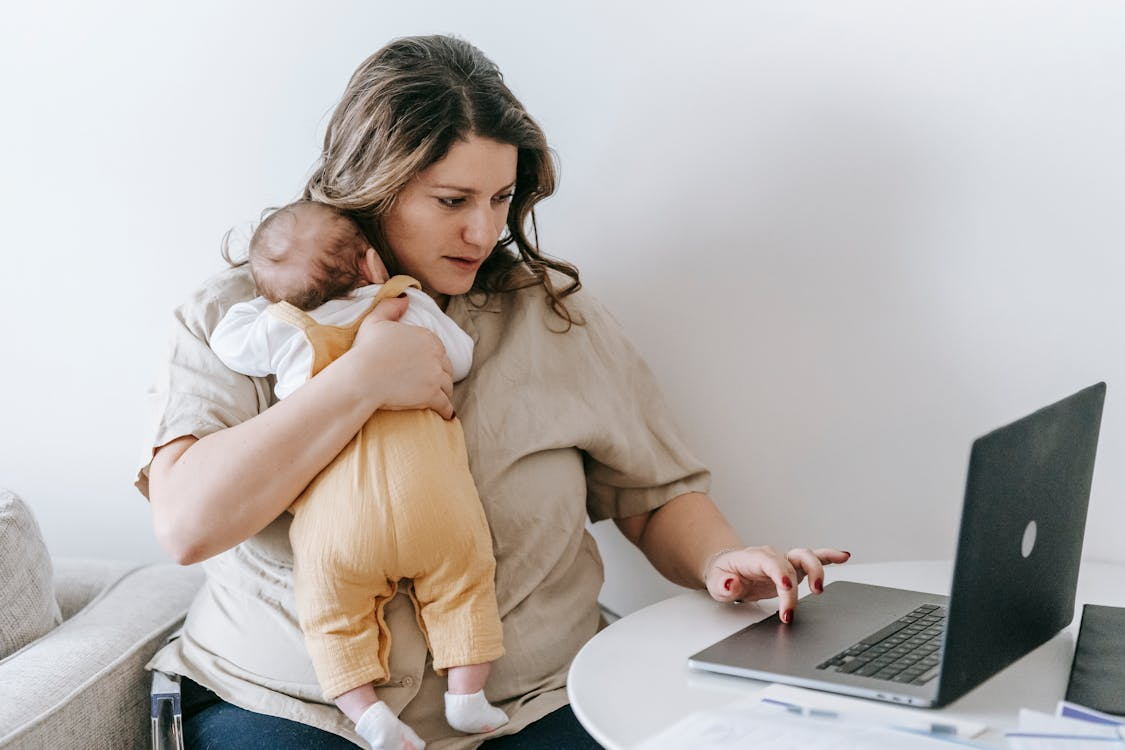
For many parents, returning to school is not a bold announcement or a clean turning point. It often begins as a lingering thought that shows up during ordinary moments. It might come up while helping a child with homework, filling out forms at work, or realizing that years have passed since a personal goal was last revisited. The idea stays quiet at first, shaped by responsibility and routine, until it becomes clear that it is not going away.
Emotional readiness sits underneath every practical decision that follows. Confidence, hesitation, motivation, and fear often exist at the same time, without needing to be resolved immediately. Parents do not approach education from a blank slate. They arrive carrying life experience, time awareness, and a clear sense of what disruption feels like. This reality changes how school is approached and why emotional preparation matters as much as logistics.
Clarifying Long-Term Purpose
Before enrolling, many parents spend time thinking about what returning to school is actually meant to support. The question is rarely limited to job titles or income. It often ties into wanting work that feels aligned with personal values, emotional fulfillment, and family life. Parents tend to think ahead, imagining how education will shape daily routines years down the line rather than focusing only on the immediate challenge of coursework.
For parents drawn to social work, this thinking often becomes very specific. Questions like: what can I do with a masters in social work come up alongside concerns about emotional energy, scheduling, and long-term sustainability. Exploring roles within schools, community agencies, healthcare settings, or advocacy work helps parents picture how professional responsibilities might fit alongside family commitments. As such, this reduces emotional uncertainty because the goal feels rooted in real life rather than abstract ambition.
Managing Self-Doubt Around Timing
Self-doubt often appears quietly, without needing a clear trigger. A parent may look at course requirements and wonder whether academic habits still exist. Another may worry about mental stamina after years of prioritizing others. Such thoughts rarely come from evidence. They grow out of distance from formal education and the weight of responsibility that comes with parenting.
Many parents find that doubt loses strength once they recognize how much complexity they already manage daily. Coordinating schedules, responding to unexpected challenges, and making decisions under pressure require focus and adaptability. These skills support learning in subtle ways. Confidence begins to rebuild when parents allow themselves to acknowledge that growth has already been happening, even outside a classroom.
Navigating Academic Spaces with Younger Students
Returning parents often notice age differences in academic spaces early on. Discussions, group projects, and online forums can feel unfamiliar when surrounded by students whose life structure looks different. This awareness can influence participation, even when knowledge and insight are present.
Many parents settle into their own way of engaging. Life experience shapes how material is processed and discussed. Parents often approach learning with intention because time feels meaningful and limited. This sense of purpose creates steadiness. Belonging begins to come from contribution rather than similarity.
Rebuilding Academic Confidence After Time Away
Academic confidence rarely returns in a single moment. It grows through exposure and repetition. Early assignments may feel slow, and instructions may require extra attention. This adjustment period often brings frustration, especially for parents who expect themselves to perform at a high level immediately.
Confidence develops as tasks are completed and routines form. Writing becomes less effortful. Reading regains flow. Study habits adapt to family schedules rather than academic ideals. Each completed step reinforces trust in ability.
Holding Pride and Performance Pressure
Parents returning to school often carry pride alongside concern. Pride comes from choosing personal growth while maintaining responsibility. Pressure comes from wanting the effort to matter. Grades, feedback, and deadlines can feel personal because time and energy feel finite.
Many parents find balance by redefining what success means during this stage. Staying engaged, continuing through difficult weeks, and maintaining consistency often become meaningful markers. Confidence grows through persistence rather than perfection.
Reframing Past Educational Experiences
For many parents, returning to school stirs memories of earlier attempts at education that did not go as planned. Those experiences often ended for practical reasons rather than a lack of ability. Family needs, financial pressure, health issues, or timing shaped those outcomes. Even so, the emotional residue can linger, influencing how parents view themselves as learners years later.
Reframing those past experiences takes time. Parents often realize that earlier choices reflected the reality of that moment, not a personal shortcoming. Returning now comes with greater self-awareness and clearer intention. Seeing education as a continuation rather than a restart allows parents to approach learning without carrying old disappointment into a new chapter.
Accepting New Study Patterns

Study habits tend to change after parenthood. Focus may arrive in shorter windows. Quiet time may come late at night or early in the morning. Learning no longer fits into long, uninterrupted blocks, and that shift can feel unsettling at first.
Acceptance helps ease that tension. Parents who stop trying to replicate earlier study patterns often find rhythm in new ones. Learning adjusts to family life rather than competing with it. Progress feels steadier when expectations match reality. Confidence grows when study habits support sustainability instead of exhaustion.
Creating Emotional Boundaries Between School and Family Life
School challenges have a way of spilling into family time if emotional boundaries are not clear. A difficult assignment or a critical comment can follow a parent into dinner conversations or bedtime routines. Without separation, stress spreads and affects more than the person enrolled.
Creating emotional boundaries allows parents to stay present at home. School frustrations are acknowledged without becoming the center of family space. This separation protects emotional energy and helps maintain balance. Parents often feel steadier when learning occupies its own mental space rather than blending into every part of the day.
Preparing for Identity Shifts
Returning to school often signals a shift in how parents see themselves. The student role begins to sit alongside caregiver, partner, and professional identities. This change can feel subtle at first, then more pronounced as coursework deepens and future goals take shape.
Preparing for that shift involves patience. Parents may feel unfamiliar emotions as confidence grows in new directions. A sense of purpose develops gradually as learning connects to future roles. Allowing identity to expand rather than replace existing roles supports emotional stability throughout the transition.
Emotional readiness and confidence do not arrive fully formed when parents return to school. They build through reflection, adjustment, and lived experience. Each step forward reshapes how learning fits into daily life. Growth unfolds alongside responsibility rather than outside of it. Parents who move through this process with awareness often find that education becomes part of who they are becoming rather than something they are chasing. Confidence settles as learning integrates into routine, identity, and long-term purpose.

Bob Duncan is the lead writer and partner on ConversationsWithBianca.com. A passionate parent, he’s always excited to dive into the conversation about anything from parenting, food & drink, travel, to gifts & more!