
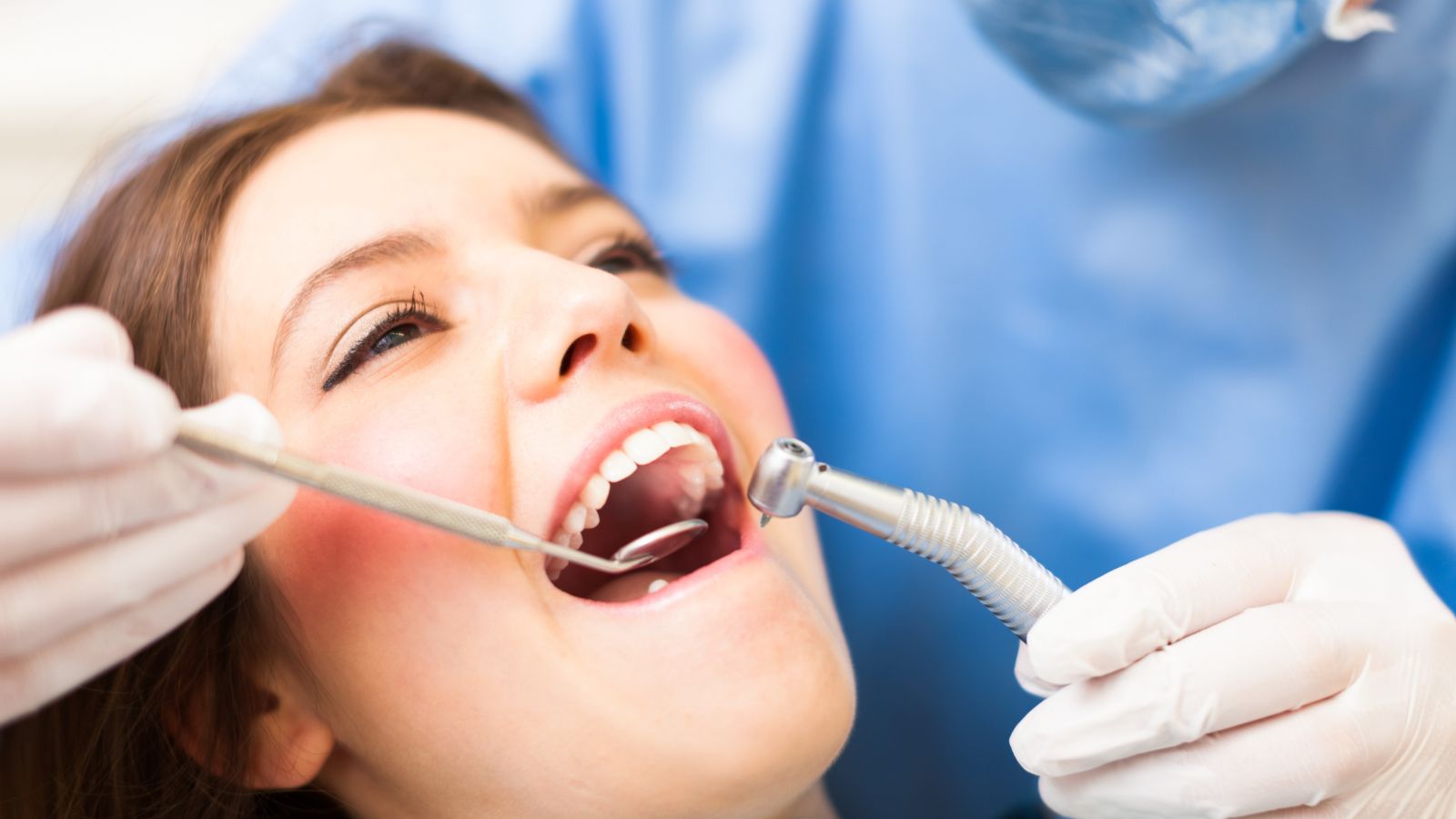
You want a smile that looks great and functions properly. Cosmetic dentistry focuses primarily on enhancing appearance—through whitening, veneers, and reshaping—while restorative dentistry addresses structural concerns such as decay, damage, or missing teeth with crowns, fillings, and implants. If your main goal is improving aesthetics, cosmetic treatments may be the right fit; if you are dealing with discomfort, structural damage, or tooth loss, restorative care becomes essential.
This article explains the key differences between the two approaches, outlines common procedures, and helps you determine which path aligns best with your goals. If enhancing your smile is your priority, exploring modern cosmetic dentistry in West Seneca, NY can help you achieve natural-looking, long-lasting results with a personalized treatment plan.
Core Differences Between Cosmetic and Restorative Dentistry
You will learn how each type of care helps your teeth in different ways, what problems each treats, and the kinds of results you can expect. The next lines compare goals, treatment focus, and common conditions so you can choose the right option.
Purpose and Goals
Cosmetic dentistry aims to change how your teeth look. It focuses on improving color, shape, size, and alignment so your smile appears more attractive. Typical goals include whitening stained teeth, closing small gaps, reshaping chipped teeth, and creating symmetry.
Restorative dentistry aims to fix function and health. It focuses on repairing damage, stopping decay, and restoring chewing, speech, and bite. Goals include replacing missing teeth, rebuilding broken teeth, and preventing further oral disease.
You may need cosmetic work to boost confidence or restorative work to stop pain and infection. Often dentists combine both to make teeth healthy and attractive.
Treatment Focus
Cosmetic treatments use materials and techniques that prioritize appearance. Examples: porcelain veneers, tooth whitening, composite bonding, and invisible aligners. Dentists select shades, shapes, and finishes to match your face and other teeth.
Restorative treatments use durable materials and methods that restore structure and function. Examples: crowns, bridges, dental implants, root canal therapy, and fillings. Dentists consider strength, longevity, and how the restoration handles chewing forces.
Some procedures serve both focuses. A crown can restore a tooth’s function and improve its look. Your dentist will discuss material choices and expected lifespan so you know trade-offs between beauty and durability.
Common Conditions Treated
Cosmetic dentistry commonly treats:
- Tooth discoloration or deep stains
- Small chips or minor shape issues
- Mild gaps or alignment concerns
- Worn enamel affecting appearance
Restorative dentistry commonly treats:
- Large cavities and tooth decay
- Cracked, fractured, or severely worn teeth
- Missing teeth needing implants or bridges
- Infected teeth requiring root canal treatment
If you have both aesthetic issues and structural damage, your dentist will plan treatments in stages. They will address infection or decay first, then apply cosmetic techniques to improve appearance.
Popular Procedures and Techniques
You will learn which treatments change how your teeth look and which ones fix how they work. Expect details on common procedures, the materials used, and the tech that improves outcomes.
Cosmetic Dentistry Treatments
Cosmetic dentistry focuses on improving your smile’s appearance. Teeth whitening uses peroxide gels applied in-office or at home to remove stains and brighten teeth by several shades. Veneers are thin porcelain or composite shells bonded to the front of teeth to change color, shape, and minor alignment. Bonding uses tooth-colored resin to repair chips or close small gaps; it’s quick and conservative.
Orthodontic options include clear aligners and ceramic braces to straighten teeth for a more even smile. Contouring and reshaping file small amounts of enamel to smooth edges or adjust tooth length. Your dentist will assess tooth health and bite before recommending cosmetic steps to avoid harming tooth structure.
Restorative Dentistry Services
Restorative dentistry repairs function, comfort, and long-term health. Fillings stop decay and restore chewing surfaces; options include composite (tooth-colored) and amalgam. Crowns cap broken or weakened teeth to restore strength and shape; they’re made from porcelain, metal, or zirconia. Bridges replace one or more missing teeth by anchoring to adjacent teeth, restoring chewing and preventing shifting.
Dental implants replace missing tooth roots with a titanium post and a ceramic crown, offering a stable, long-lasting solution. Root canal therapy removes infected nerve tissue to save the tooth and stop pain. Partial and full dentures provide removable options when many teeth are missing. Your choice depends on the tooth’s condition, budget, and dental health goals.
Materials and Technology Used
Modern dental materials aim to mimic natural teeth while lasting longer. Porcelain and zirconia match tooth color and resist staining; composite resins blend with enamel for fillings and bonding. Titanium remains the standard for implant posts because bone bonds well to it. Metals like gold and alloys still serve for strength in back crowns and some bridges.
Digital tools speed treatment and improve precision. Intraoral scanners create 3D images of your mouth for crowns, implants, and aligners without messy impressions. CAD/CAM milling machines can make crowns and veneers in a single visit. Cone-beam CT scans show bone and nerve positions for implant planning. These materials and technologies reduce errors and help you get predictable results.
Choosing the Right Dental Solution
You should match treatment to your main need: fixing function or improving appearance. Think about pain, chewing, bite, tooth loss, and how much change you want in how your smile looks.
Factors Influencing Treatment Choice
List your top concerns: pain, missing teeth, bite problems, stains, gaps, or chipped teeth. If you have pain, infection, or a broken tooth, restoration usually takes priority because it stops harm and restores function. If teeth work fine but look aged or uneven, cosmetic options like whitening, veneers, or bonding focus on looks.
Cost, insurance, and timeline matter. Some restorative treatments like crowns or implants can be costly but last longer. Cosmetic treatments may be faster and cheaper but sometimes need upkeep. Your overall health, such as gum disease or uncontrolled diabetes, can limit choices. Also consider tooth structure — little enamel left means you may need crowns instead of veneers.
Consultation and Diagnosis
Expect a full exam: X‑rays, oral photos, bite analysis, and gum checks. Your dentist will note cavities, root issues, bone loss, and wear patterns. These findings guide whether to repair function first or proceed with cosmetic work.
Ask for a treatment plan that lists steps, costs, materials, and estimated lifespan. Request visual aids: digital simulations, before/after photos, or models. Get a clear timeline: healing time for implants, prep for crowns, or staging for orthodontics. Confirm who does each step — your general dentist, a specialist, or a lab technician.
Short-Term and Long-Term Considerations
Short term, weigh pain relief, infection control, and immediate appearance. Emergency restorations may be urgent to prevent tooth loss. Some cosmetic fixes can be done quickly for an event, but they may not address underlying issues.
Long term, consider durability and maintenance. Implants and properly placed crowns can last decades with good care. Veneers and bonding can stain, chip, or need replacement after years. Think about future needs: if you plan orthodontics, delay permanent cosmetic work. Budget for follow-up visits and possible replacements so your choice stays practical over time.

Bob Duncan is the lead writer and partner on ConversationsWithBianca.com. A passionate parent, he’s always excited to dive into the conversation about anything from parenting, food & drink, travel, to gifts & more!