
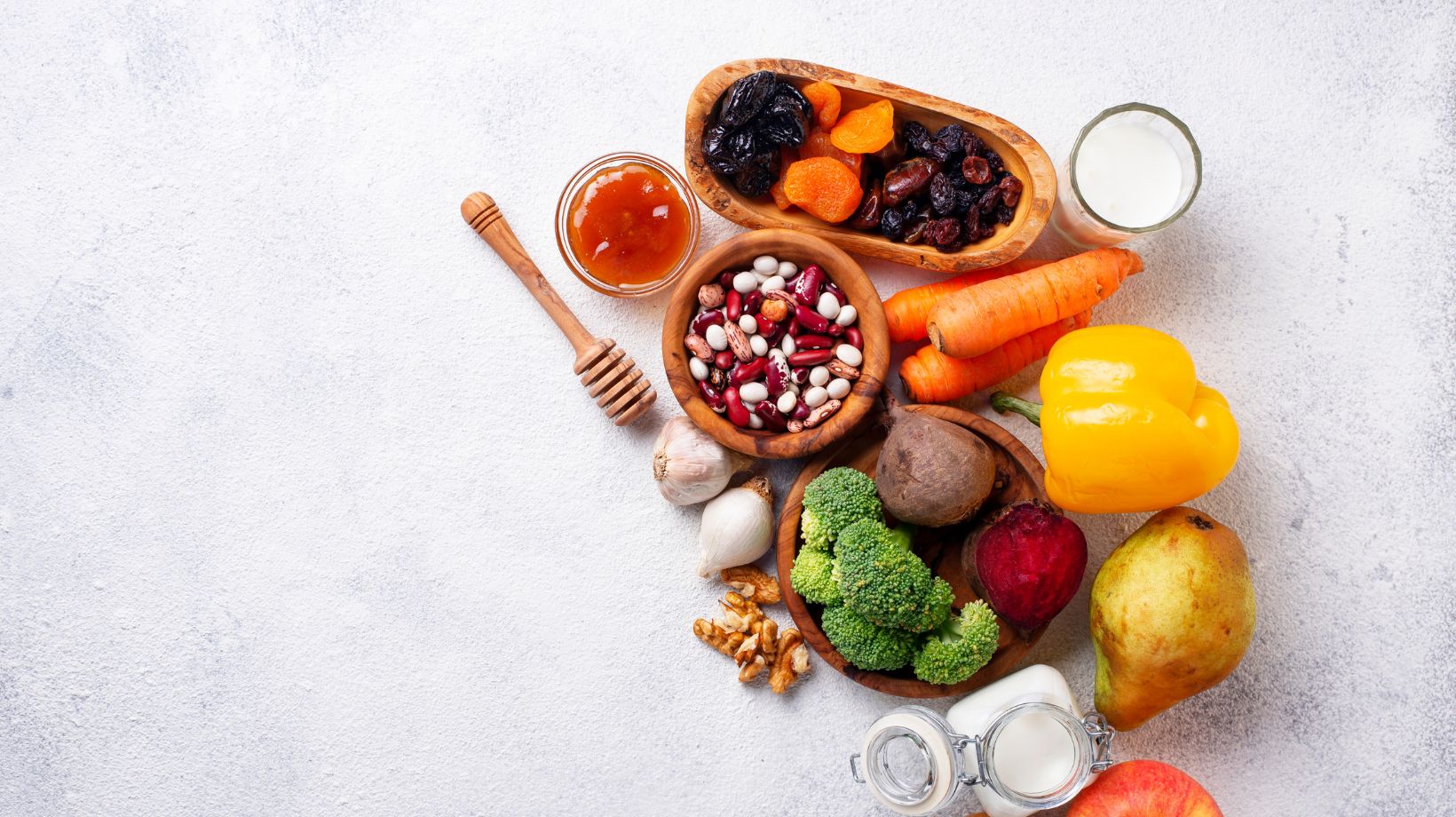
Having regular bowel movements is an important sign of good digestive health, yet many people struggle with knowing how to promote regular bowel movements. This can lead to constipation, irregular stools, bloating, and discomfort, all of which can interfere with daily life and may signal that your digestive system isn’t functioning optimally. The foods you eat play a major role in bowel regularity, stool consistency, and overall colon health. If you are struggling with irregular bowel movements or constipation, changing the foods you eat can help promote regular bowel movements and long-term digestive wellness.
National Nutrition Month, recognized each year during the month of March, is a great time to focus on how the foods you eat support gut motility and healthy digestion. From eating high-fiber foods and whole grains to staying hydrated and promoting gut-friendly bacteria, we highlight the best foods and habits for keeping your bowel movements regular and healthy. By making informed food choices and developing sound eating habits, you can ensure you are supporting your digestive system for optimal health.
Why Regular Bowel Movements Matter for Digestive Health
Regular bowel movements help your body eliminate waste efficiently and prevent the buildup of toxins in the colon. While “normal” bowel movements vary from person to person, most healthcare providers consider anywhere from three bowel movements per day to three per week to be within a healthy range, as long as stools are easy to pass and there are no symptoms like pain or straining.
If bowel movements become infrequent or difficult, stool can harden and slow gut motility, leading to constipation. Constipation can affect anyone, and it’s estimated that chronic constipation affects 9%–20% of adults in the United States. Over time, chronic constipation can cause bloating, abdominal pain, hemorrhoids, and discomfort that affects quality of life. Laxatives, stool softeners, and fiber supplements are commonly used over-the-counter and prescription remedies to relieve constipation. However, eating foods that support regular bowel movements is a natural and effective remedy that may be safer.
Healthy bowel regularity supports:
- Improved digestion and nutrient absorption
- Balanced gut microbiome
- Healthy stool consistency
- Reduced risk of constipation-related complications
- Overall colon health
Dietary fiber, hydration, and beneficial gut bacteria all play essential roles in keeping digestion moving regularly and smoothly.
Top Foods That Promote Regular Bowel Movements
- High-Fiber Foods: Fiber is one of the most important nutrients for bowel regularity. Dietary fiber adds bulk to stool, helps retain water, and supports natural stool softening, making bowel movements easier to pass.
There are two types of fiber:
- Soluble fiber, which absorbs water and forms a gel-like substance
- Insoluble fiber, which adds bulk and speeds up digestion
Most people benefit from a mix of both types of fiber.
- Whole Grains: Whole grains are rich in insoluble fiber and support consistent gut motility. Examples of whole grains include:
- Oats
- Brown rice
- Quinoa
- Whole wheat bread
- Barley
Unlike refined grains, whole grains retain their fiber-rich outer layers, making them more effective for relief of constipation.
- Fruits and Vegetables: Fruits and vegetables provide fiber, water, and natural compounds that support digestion.
Some of the best fruits and vegetables for bowel regularity include:
- Apples and pears (especially with the skin)
- Berries
- Kiwi
- Oranges
- Broccoli
- Spinach
- Carrots
- Sweet potatoes
Many fruits also contain natural sugars and other compounds that act as gentle natural laxatives, stimulating bowel movements without harsh effects.
- Legumes: Beans, lentils, and chickpeas are great sources of dietary fiber and plant-based protein. They help increase stool bulk and feed beneficial gut bacteria, which improves digestion over time.
- Seeds and Nuts: Chia seeds, flaxseeds, and almonds are high in fiber and help promote stool softening. Chia and flaxseeds absorb water, forming a gel that supports easier stool passage when combined with adequate hydration.
The Role of Hydration in Preventing Constipation
Fiber and hydration work together to support regular bowel movements. Without enough fluids, fiber can actually worsen constipation by making stools harder and more difficult to pass.
Water helps:
- Soften stool
- Support gut motility
- Prevent dehydration-related constipation
- Improve overall digestive function
Most adults benefit from drinking water consistently throughout the day rather than consuming large amounts at once. Herbal teas, broths, and foods with high amounts of water like fruits and vegetables also contribute to hydration.
Signs you may need more fluids in your diet include dark urine, dry mouth, fatigue, and hard stools.
Probiotics and Prebiotics: Supporting a Healthy Gut Microbiome
Your gut microbiome – the community of bacteria living in your digestive tract – plays a critical role in bowel regularity. A healthy balance of gut bacteria supports healthy digestion, stool formation, and colon health.
Probiotics are beneficial bacteria that support digestion and stool consistency. Foods rich in probiotics include fermented foods such as:
- Yogurt with live cultures
- Kefir
- Sauerkraut
- Kimchi
- Miso
- Tempeh
These foods can help improve bowel regularity, especially for people with constipation or digestion problems related to microbiome imbalance.
Prebiotics are fibers that feed the probiotics, or beneficial gut bacteria. Common prebiotic-rich foods include:
- Garlic
- Onions
- Leeks
- Asparagus
- Bananas
- Oats
Together, probiotics and prebiotics help maintain optimal microbiome balance, improve gut motility, and support digestive health.
What Foods Can Disrupt Regular Bowel Movements
It’s also important to know which foods can disrupt regular bowel movements. Some foods can slow digestion or contribute to constipation, especially when consumed frequently or without enough fiber and water.
Common foods that can disrupt digestion include:
- Highly processed foods
- Refined carbohydrates like white bread and pastries
- Fried foods
- Excessive dairy for some individuals
- Low-fiber convenience foods
Processed foods often lack fiber and may disrupt the gut microbiome and contribute to gut inflammation and irregular stools. Reducing processed foods and replacing them with whole foods can significantly improve bowel regularity.
Lifestyle Habits to Keep Digestion on Track
In addition to diet, other lifestyle habits play an important role in bowel health. Digestive health benefits from the following daily habits:
- Stay Physically Active: Regular physical activity stimulates gut motility and helps move stool through the colon. Walking, stretching, and gentle exercise can all support regular bowel movements.
- Eat Consistently: Skipping meals or eating erratically can disrupt digestion. Regular meal times help regulate digestive rhythms and promote predictable bowel movements.
- Don’t Ignore the Urge: Delaying bowel movements can lead to harder stools and constipation. Responding timely to natural urges supports healthy elimination.
- Manage Stress: Stress can affect gut motility and worsen constipation or irregular stools. Mindfulness, relaxation techniques, and adequate sleep can help manage stress and support digestive health.
When to See a Gastroenterologist
Occasional constipation is common, but ongoing digestive issues require a medical evaluation. Consider seeing a gastroenterologist if you experience:
- Chronic constipation lasting several weeks
- Severe abdominal pain
- Blood in the stool
- Unexplained weight loss
- Sudden changes in bowel habits
- Persistent bloating or discomfort
A gastroenterologist can evaluate you for underlying conditions that may be affecting your colon health, gut motility, or digestion issues.
When To Talk to Your Doctor
If dietary changes, hydration, and lifestyle adjustments don’t improve bowel regularity, it’s time to talk to your doctor. Medical conditions, medications, and digestive disorders can all impact bowel movements.
Your doctor can help you assess your fiber intake and hydration needs, evaluate gut health and stool consistency, recommend safe constipation relief options, and identify any underlying conditions that may be affecting the digestive system.
Regular bowel movements are essential for digestive health and overall well-being. By focusing on eating foods that support regular bowel movements, staying hydrated, supporting your gut microbiome with probiotics and prebiotics, and maintaining healthy lifestyle habits, you can promote natural bowel regularity without relying on harsh laxatives.
During National Nutrition Month, consider using food as a powerful natural medicine to support digestion, colon health, and long-term wellness. Small, consistent dietary changes can make a meaningful difference in how your digestive system functions every day.
If you are struggling with constipation or irregular bowel movements, or you need support developing a diet that supports gut motility and digestive health, reach out to a provider at Allied Digestive Health today. We’ll help you get on the path to bowel regularity and digestive health.