
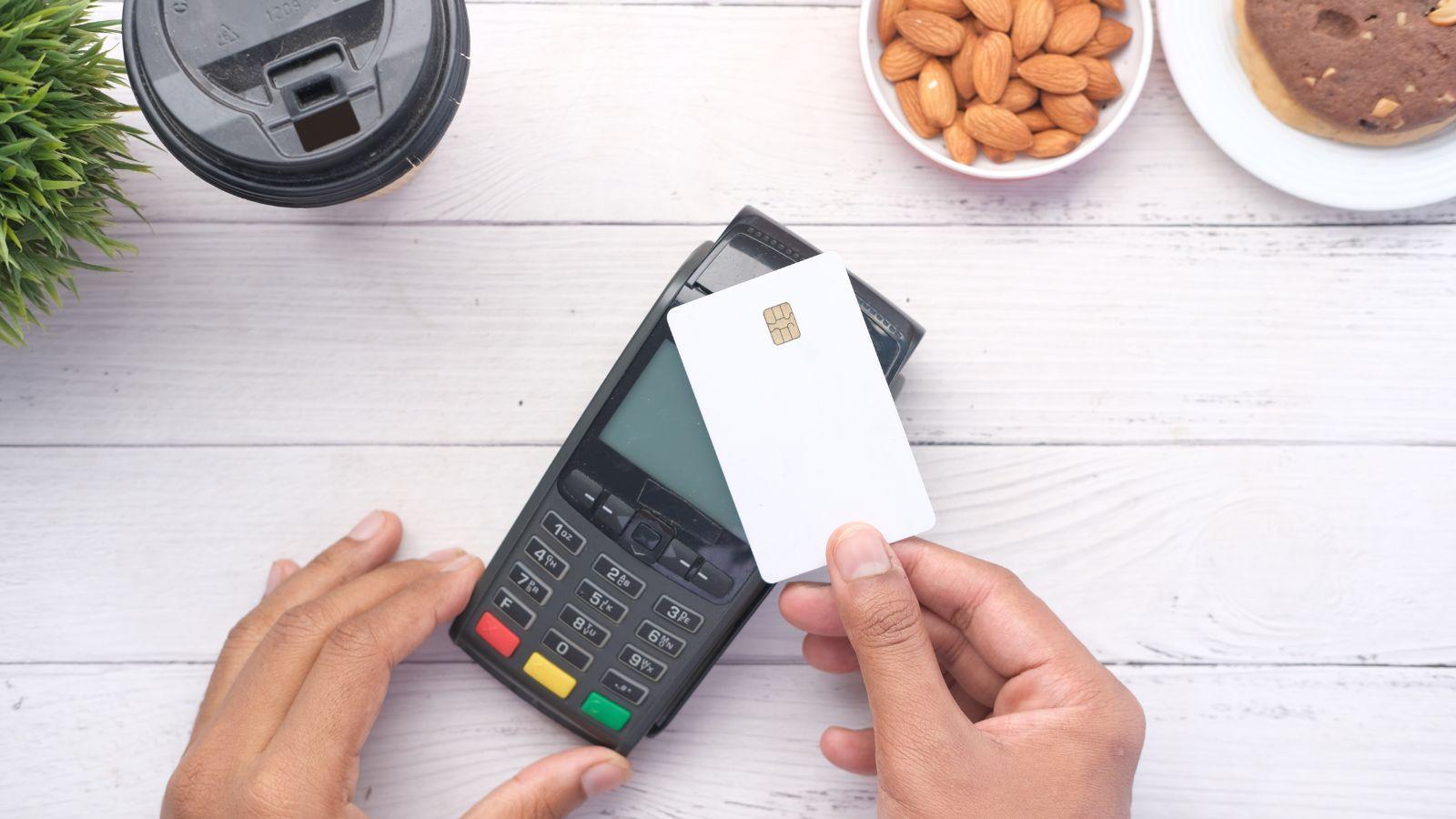
High-volume businesses cannot afford slow billing, failed payments, long queues or settlement confusion. A busy retail store, restaurant, fuel station, supermarket, pharmacy or event counter needs a payment setup that works smoothly during peak hours.
The right PoS terminal should support speed, reliability, security and better transaction visibility without making checkout complicated for staff. It should also help teams manage billing pressure during rush hours, weekend footfall, festive demand and seasonal sales.
Let’s understand how to choose a PoS terminal that can handle high-volume transactions with confidence.
Key factors to check before choosing a PoS terminal
Once you understand your transaction volume, the next step is to assess the features that directly affect checkout speed, payment reliability, staff efficiency and customer experience. Here are the key factors to consider before choosing a PoS terminal for a high-volume business:
- Start with transaction speed and uptime
Speed is one of the most important factors when choosing a PoS terminal for high-volume transactions. Every extra second at checkout can create longer queues and frustrated customers.
Look for a device that processes card, UPI, wallet and contactless payments quickly. The terminal should also have stable connectivity through Wi-Fi, SIM or Ethernet. This helps ensure smoother billing even during network fluctuations.
For busy stores, uptime matters as much as speed. A payment device should work reliably during weekends, festive sales, rush hours and seasonal spikes.
- Check payment mode compatibility
Customers expect flexibility at checkout. Some prefer cards, some use UPI, while others choose wallets or tap-and-pay options. A modern PoS terminal should support multiple payment modes through one device.
This reduces the need for separate systems and helps staff complete transactions faster. It also improves customer convenience because buyers can pay through their preferred method.
For high-volume businesses, payment flexibility can directly reduce checkout friction and support better conversion at the counter.
- Look for strong security features
A business handling hundreds or thousands of transactions must prioritise payment security. Choose a PoS terminal that follows industry security standards and protects customer payment data.
Features like encrypted transactions, secure PIN entry, tamper protection and compliance with payment network standards are important. These features help reduce fraud risk and build customer trust.
Security should never slow down checkout. The right terminal balances protection with a smooth payment experience.
- Evaluate settlement and reporting support
High transaction volume also means large settlement records. Your team needs clear visibility into payments, refunds, failed transactions and daily collections.
A good PoS terminal should provide access to transaction reports through a dashboard or merchant portal. This helps finance teams reconcile payments faster and reduce manual errors.
Check how quickly settlements happen and how clearly the provider shares transaction details. Faster and transparent settlement support can improve cash flow planning.
- Prioritise easy staff training
A terminal may have advanced features, but it should still be easy for frontline staff to use. High-volume counters need quick billing, simple prompts and minimal confusion.
Choose a device with an intuitive interface and clear transaction flow. Staff should be able to process payments, cancel transactions, generate receipts and handle refunds with minimal training.
This becomes especially useful when businesses hire temporary staff during festive periods, exhibitions, sales events or peak seasons.
- Review integration capabilities
High-volume businesses often use billing software, inventory systems, accounting tools or enterprise resource planning platforms. Your payment device should fit into this system.
Check if the PoS terminal can integrate with your billing or business management software. This helps reduce duplicate entries, manual reconciliation and operational delays.
Integrated systems also give business owners better visibility into sales, payment modes, refunds and store-level performance.
- Assess support and service availability
Even a reliable device may need support at some point. For high-volume businesses, delayed service can affect revenue and customer experience.
Before choosing a provider, check service response times, replacement support, onboarding help and technical assistance. Also, review how quickly issues like failed settlements, connectivity errors or device faults are resolved.
A strong support network is especially important for businesses operating across multiple branches or with long working hours.
- Choose a PoS terminal that supports growth
Your current transaction volume may increase as your business expands. Choose a payment setup that can support higher footfall, new stores, additional counters and more payment methods.
A scalable PoS terminal setup helps you avoid frequent replacements as your business grows. It should also support future payment trends, software updates and improved reporting capabilities.
The best choice is one that meets current needs while staying useful as customer expectations evolve.
Make checkout faster, safer and easier to manage
Choosing the right payment device is a business decision, not just a hardware purchase. A high-volume setup needs speed, uptime, security, reporting, service support and payment flexibility.
Before finalising a PoS terminal, test how it performs during busy hours, review settlement timelines, check integration options and confirm after-sales support. Payment solution providers like Pine Labs can help businesses manage digital payments with smoother checkout experiences and better transaction visibility.
The right choice can help your team reduce queues, manage transactions better and deliver a smoother checkout experience every day. For more information, visit https://www.pinelabs.com/.