
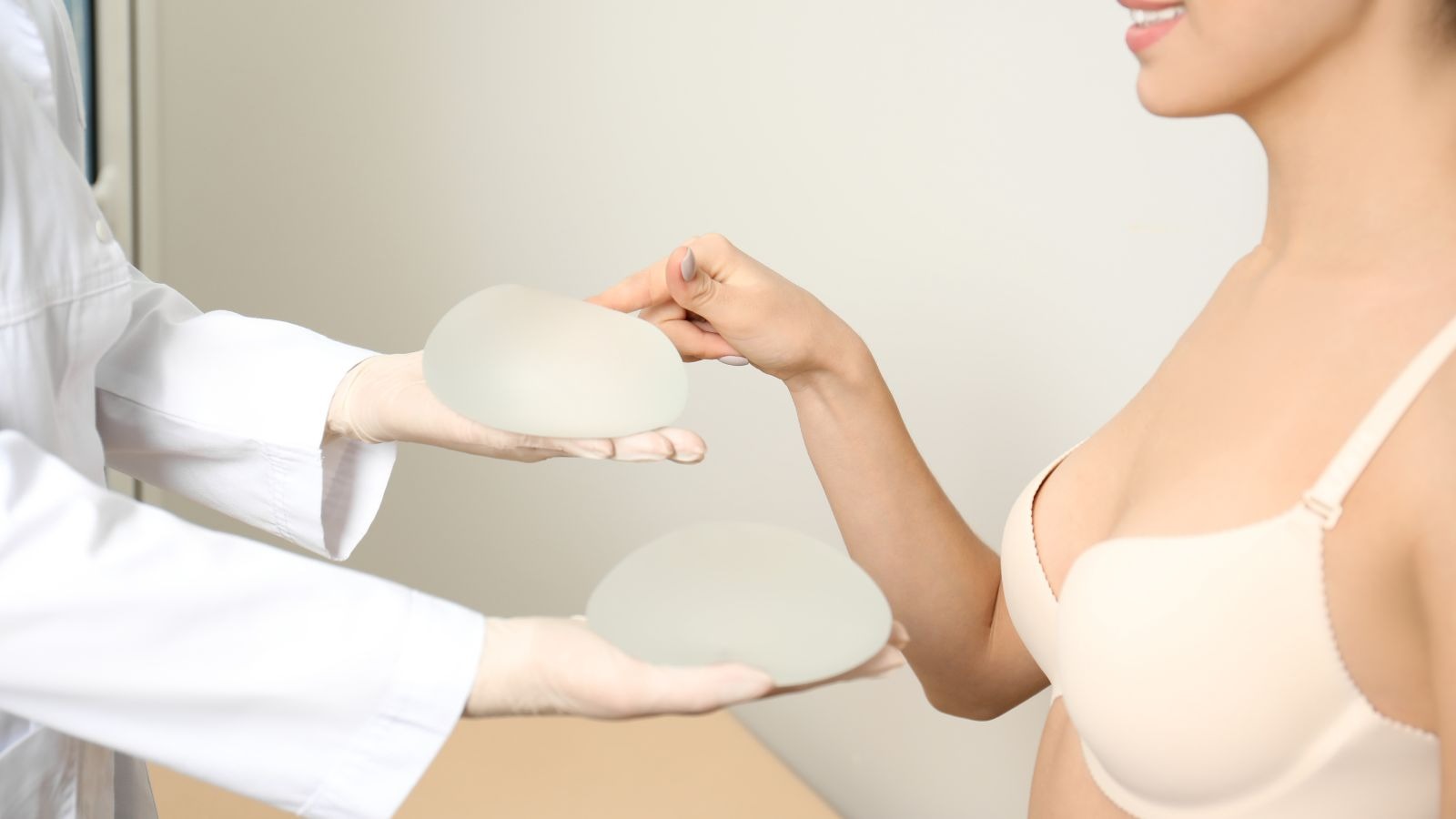
Completing a breast augmentation or implant insertion is an exciting period for patients. Through the joy of living with your new body, it is crucial to understand the importance of preventative care to ensure your results last as long as possible. Many patients assume that if implants feel fine and appear unchanged, no maintenance is required. This assumption can delay diagnosis of silent complications, particularly with silicone implants. Proactive care supports patient safety, confidence, and satisfaction over time.
Why Breast Implant Upkeep Matters
Breast implants are not lifetime devices. While modern implants are highly engineered for durability and safety, they still require ongoing attention to ensure optimal results and long-term health. Breast implant care goes far beyond the immediate postoperative period. Long-term maintenance is essential for preserving breast implant longevity, identifying complications early, and maintaining both aesthetic and physical well-being.
Routine follow-up allows patients and providers to monitor implant integrity, surrounding breast tissue, and changes related to aging, weight fluctuation, or hormonal shifts. Conditions such as capsular contracture, implant rupture, and breast implant-associated illness (BII) may develop gradually and can be more effectively managed when detected early. Annual checkups and appropriate imaging play a critical role in preventing minor issues from becoming major concerns.
Saline vs Silicone Implant Maintenance
The type of implant significantly influences maintenance strategies. Saline and silicone implants behave differently, age differently, and require different surveillance approaches.
Saline implants are filled with sterile saltwater. When rupture occurs, the implant deflates noticeably as the saline is absorbed by the body. This visible change often prompts immediate evaluation, making rupture detection straightforward. Routine imaging is not typically required unless symptoms arise, although annual clinical exams remain important.
Silicone implants contain cohesive silicone gel, which maintains shape even if the shell ruptures. Because silicone rupture may not cause obvious changes in breast appearance or sensation, these events are often referred to as silent ruptures. For this reason, MRI for silicone implants is recommended at regular intervals to assess implant integrity. Some patients may also undergo high-resolution ultrasound depending on clinical circumstances.
Maintenance also differs in patient experience. Silicone implants often feel more natural, but they require a higher level of long-term surveillance. Understanding these distinctions allows patients to make informed decisions and commit to appropriate long-term maintenance.
Timeline of Breast Implant Upkeep
Breast implant upkeep follows a predictable timeline, although individual needs may vary.
Immediate post-op care (first 6 to 8 weeks):
This phase focuses on wound healing, implant positioning, and early complication prevention. Patients typically attend multiple follow-up visits to assess swelling, incision healing, and comfort.
Short-term follow-up (3 to 12 months):
Once healing stabilizes, providers evaluate implant settling, symmetry, and scar maturation. Lifestyle guidance, bra recommendations, and activity modifications may be reinforced.
Annual checkups:
Yearly clinical exams are strongly recommended for all implant patients. These visits assess breast tissue, implant position, firmness, and signs of capsular contracture or inflammation.
Imaging surveillance:
For silicone implants, MRI for silicone implants is commonly advised beginning several years after placement and repeated at intervals based on guidelines and individual risk factors. Imaging may occur earlier if symptoms such as pain, asymmetry, or firmness develop.
Long-term reassessment (10 to 15 years):
Although some implants last longer, many patients consider revision, replacement, or removal during this window due to aging changes, personal preference, or implant wear.
Common Issues That Require Attention
Several implant-related conditions benefit from early detection and timely management.
Capsular contracture: This occurs when scar tissue around the implant tightens excessively, leading to firmness, distortion, pain, or asymmetry. Severity can progress over time, making early recognition important.
Implant rupture: Rupture risk increases gradually as implants age. Saline rupture is usually obvious, while silicone rupture often requires imaging for diagnosis. Untreated rupture may contribute to inflammation or discomfort.
Breast implant-associated illness (BII): BII refers to a constellation of systemic symptoms reported by some patients, including fatigue, joint pain, brain fog, and rashes. While research continues, patient-reported symptoms warrant careful evaluation and individualized discussion.
Implant malposition or bottoming out: Changes in implant position can occur due to tissue stretching, pregnancy, weight loss, or aging. Early assessment may allow for conservative management before surgical correction is required.
Changes in breast tissue: Implants do not prevent normal breast aging or disease. Routine breast health screening remains essential.
Lifestyle Factors That Affect Implant Longevity
Lifestyle choices play a meaningful role in breast implant longevity and overall outcomes.
Smoking negatively impacts tissue health and healing, increasing the risk of capsular contracture and delayed recovery. Significant weight fluctuations can alter breast volume and skin elasticity, potentially affecting implant position and appearance. Pregnancy and breastfeeding may also change breast tissue dynamics, sometimes prompting future revision.
High-impact exercise without adequate support may contribute to tissue stretching over time. Proper bras during physical activity help reduce strain on breast tissue and implant pockets. Sun exposure without protection can worsen scar appearance and skin quality.
Chronic inflammation, unmanaged autoimmune conditions, and poor sleep hygiene may also influence how the body responds to implants. A holistic approach to health supports both implant maintenance and overall wellness.
FAQs About Breast Implant Upkeep
- How long do breast implants last?
There is no fixed expiration date. Many implants last 10 to 20 years, but longevity varies based on implant type, body response, and lifestyle factors.
- Do all silicone implants require MRI screening?
MRI for silicone implants is recommended to detect silent rupture. Timing and frequency depend on individual risk and provider guidance.
- Are annual checkups really necessary if nothing feels wrong?
Yes. Many implant-related issues develop gradually and may not cause early symptoms. Annual checkups allow for early intervention.
- Does implant rupture require emergency surgery?
Rupture is not usually an emergency, but timely evaluation and surgical planning are recommended to prevent complications.
How to Extend the Lifespan of Your Implants
Extending breast implant longevity begins with consistent breast implant care. Adhering to post-op care instructions, attending scheduled follow-ups, and completing recommended imaging are foundational steps.
Maintaining a stable weight, avoiding smoking, wearing supportive bras, and managing chronic health conditions all support tissue health. Patients should promptly report changes such as pain, firmness, swelling, or asymmetry.
Choosing an experienced, board-certified plastic surgeon and maintaining a long-term relationship with that provider improves continuity of care. Documentation of implant details, including manufacturer and size, should be retained for future reference.
Proactive engagement in long-term maintenance allows patients to enjoy their results while minimizing risk.
Scheduling a Consultation
Breast implants require an ongoing partnership between patient and provider. Scheduling a consultation allows for individualized discussion of breast implant care, long-term maintenance strategies, and personalized plans to support breast implant longevity. During these visits, providers can address concerns related to implant rupture, capsular contracture, breast implant-associated illness (BII), imaging such as MRI for silicone implants, and the importance of annual checkups.

Bob Duncan is the lead writer and partner on ConversationsWithBianca.com. A passionate parent, he’s always excited to dive into the conversation about anything from parenting, food & drink, travel, to gifts & more!