
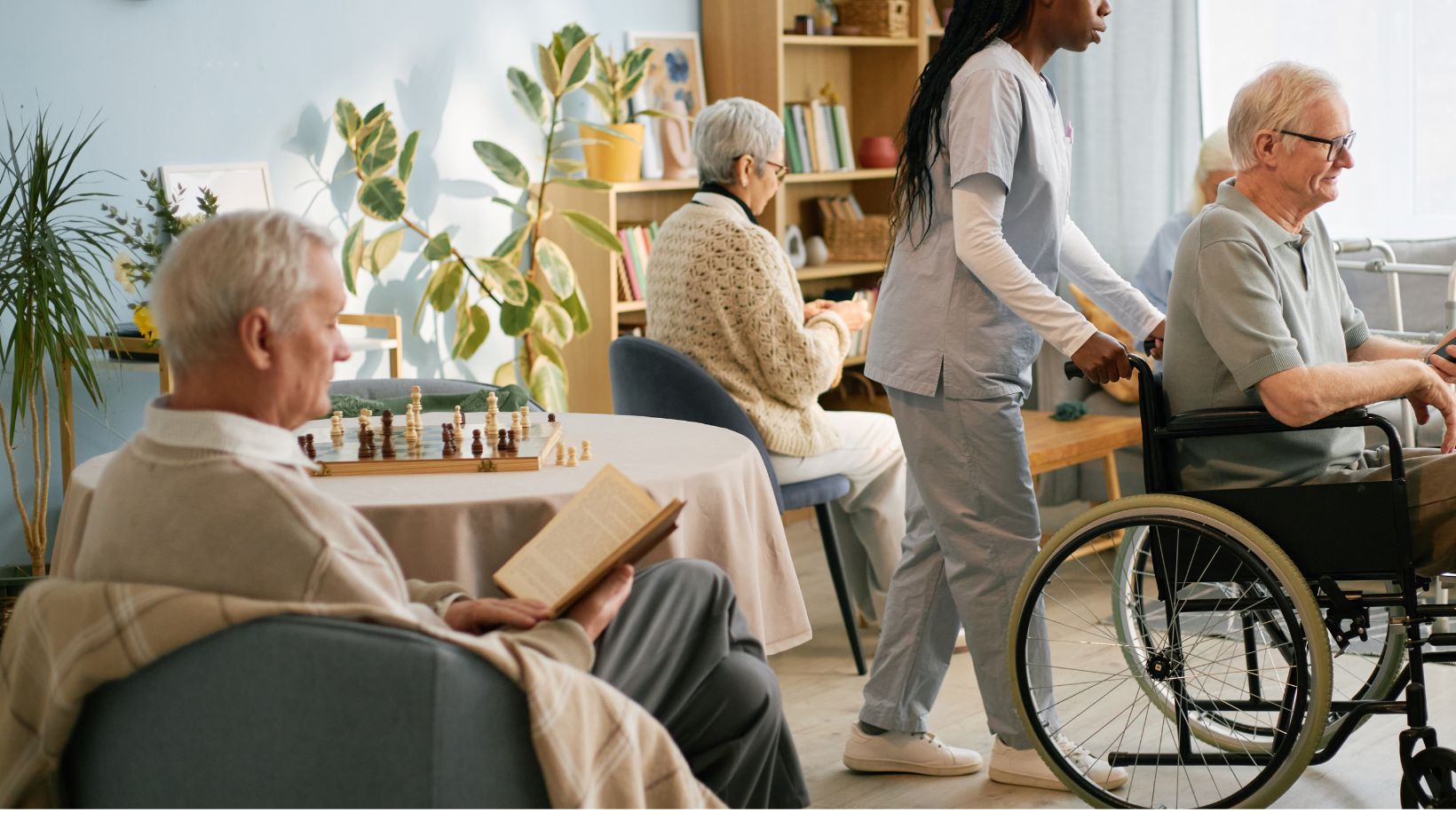
Personalized in-home assistance plays a vital role in helping individuals maintain independence, confidence, and comfort in familiar surroundings. Across Sydney, several organizations are recognized for their commitment to delivering thoughtful, participant-focused support. While some specialize in direct daily assistance and others focus on therapeutic services that build long-term capability, each contributes in different ways to improving quality of life and supporting meaningful routines at home.
In a rapidly evolving care landscape, the importance of flexible and responsive support services has become even more apparent. Individuals and families increasingly look for providers who can adapt to changing needs while maintaining consistency and trust. Personalized assistance not only addresses physical or practical requirements but also supports emotional wellbeing by allowing people to remain connected to their personal environments and social networks. When care is delivered in a familiar setting, individuals often feel more secure and motivated, which can positively influence recovery, skill development, and long-term independence.
1. Care For Family
Care For Family provides personalised in-home support in Sydney for people of all ages, including people living with disability and people with higher or changing support needs. Support can include daily living help at home, personal care, community access, and nursing support at home when needed. Families often choose Care For Family because support feels steady and familiar — with tailored, familiar care teams that are unique to you and your loved one, shaped around routines and communication preferences. Where NDIS funding applies, Care For Family works as an associated provider supporting plan-managed and self-managed participants. They also help people understand Support at Home / legacy Home Care Packages, where relevant. For pricing, they keep it clear: a short call to confirm what’s needed, then a no-surprises quote.
Beyond day-to-day support, the organization also emphasizes long-term relationship building between participants and their support teams. This continuity can foster a greater sense of trust, enabling individuals to express their needs openly. Care For Family’s commitment to adaptability means that services can evolve alongside participants’ changing circumstances, whether that involves increasing independence, adjusting to new health requirements, or exploring opportunities for social engagement. By focusing on practical solutions that align with personal aspirations, the organization contributes to a more balanced and fulfilling home life for those receiving support.
2. Royal Rehab / Royal Rehab LifeWorks (Ryde)
Royal Rehab and its LifeWorks services in Ryde are recognized for delivering specialist rehabilitation programs supported by experienced allied health teams. Their services typically focus on inpatient recovery and clinic-based therapies such as physiotherapy, occupational therapy, speech pathology, and dietetics. Although they are not structured around ongoing in-home support rostering, their rehabilitation expertise plays a significant role in helping individuals rebuild functional skills and regain confidence after injury or illness. This clinical focus supports participants in working toward greater independence, complementing other forms of home-based assistance.
The structured rehabilitation environment offered by Royal Rehab can be particularly valuable during transitional stages of recovery, when targeted therapeutic input is essential for rebuilding strength, coordination, and cognitive skills. By integrating evidence-based treatment approaches with personalized goal setting, their teams help participants make measurable progress over time. This progress often lays the foundation for smoother reintegration into everyday routines, including those carried out within the home. As individuals develop greater self-reliance and confidence through rehabilitation, they may find it easier to engage with community activities and pursue personal interests, enhancing overall quality of life.
3. Everyday Independence
Everyday Independence is known for its community-based therapy model, designed to help NDIS participants develop practical skills in real-world settings. Operating across South Eastern Sydney and beyond, the organization’s teams work closely with individuals to improve mobility, communication, and daily living capabilities. As a therapy-only provider, their emphasis is on capacity building rather than delivering direct personal care. By supporting participants to achieve functional goals within their home and community environments, Everyday Independence contributes to more sustainable, long-term outcomes.
This approach recognizes that meaningful progress often occurs when skills are practiced in familiar, everyday contexts rather than solely within clinical settings. Therapists collaborate with participants and families to identify achievable milestones, encouraging gradual improvements that can be integrated into daily routines. Over time, this focus on skill development can lead to increased autonomy, reduced reliance on intensive support, and greater participation in social or vocational activities. The organization’s commitment to empowerment and inclusion helps individuals feel more confident navigating both home environments and broader community spaces.
4. National 360
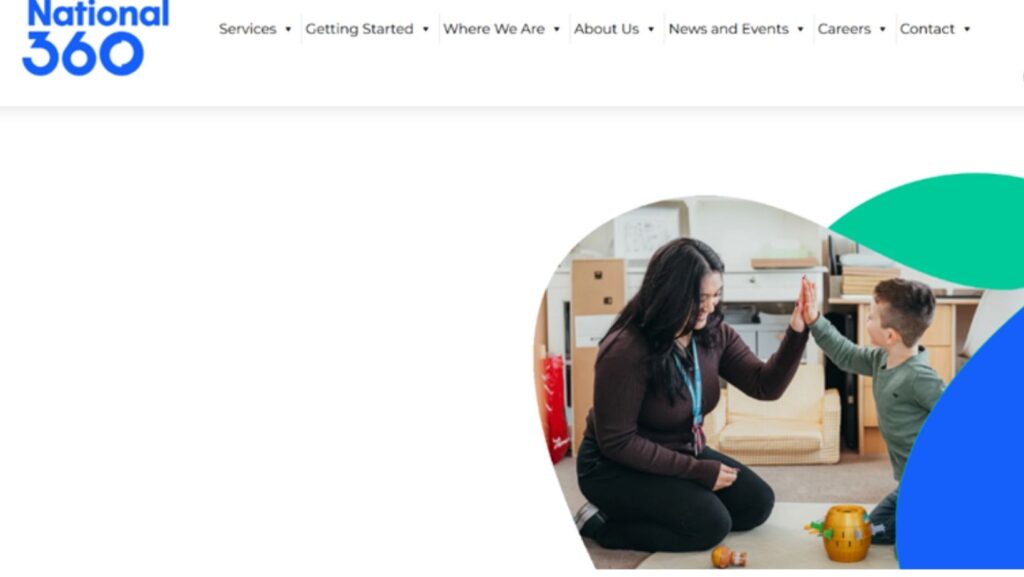
National 360 offers multidisciplinary allied health services delivered through both mobile and clinic-based models. Their team provides occupational therapy, physiotherapy, speech pathology, and behavior support aimed at strengthening independence and everyday functioning. While the organization does not coordinate support worker rosters for ongoing in-home care, its therapy-focused approach helps individuals build the skills and confidence needed to manage routines more effectively. This structured support can play an important role alongside personal assistance services, helping participants progress toward their broader lifestyle goals.
By combining professional expertise with a participant-centered philosophy, National 360 encourages individuals to take ownership of their development journeys. Therapy sessions are often tailored to address real-life challenges, such as improving mobility within the home, enhancing communication skills for social interaction, or establishing positive behavioral strategies. These targeted interventions can contribute to more stable daily routines and a stronger sense of self-efficacy. As participants gain practical tools and strategies, they may experience increased motivation to pursue new opportunities, reinforcing the value of integrated therapeutic support.
Conclusion
Selecting the right combination of in-home support and therapeutic guidance can help individuals create positive routines and achieve meaningful personal milestones. By exploring organizations that prioritize personalized care and professional expertise, families can make informed decisions that support long-term wellbeing and independence. When individuals receive the right level of support at the right time, they are better positioned to maintain stability, adapt to challenges, and pursue their personal ambitions.
Reliable support services also help individuals feel more connected to their communities and confident in pursuing personal interests. With structured assistance in place, daily challenges can become more manageable and less overwhelming. Over time, consistent access to tailored care can foster resilience, promote emotional wellbeing, and encourage greater participation in social and recreational activities. As the demand for personalized in-home assistance continues to grow, organizations that prioritize flexibility, collaboration, and respect for individual goals are likely to play an increasingly important role in shaping positive experiences for participants and their families.

Bob Duncan is the lead writer and partner on ConversationsWithBianca.com. A passionate parent, he’s always excited to dive into the conversation about anything from parenting, food & drink, travel, to gifts & more!