
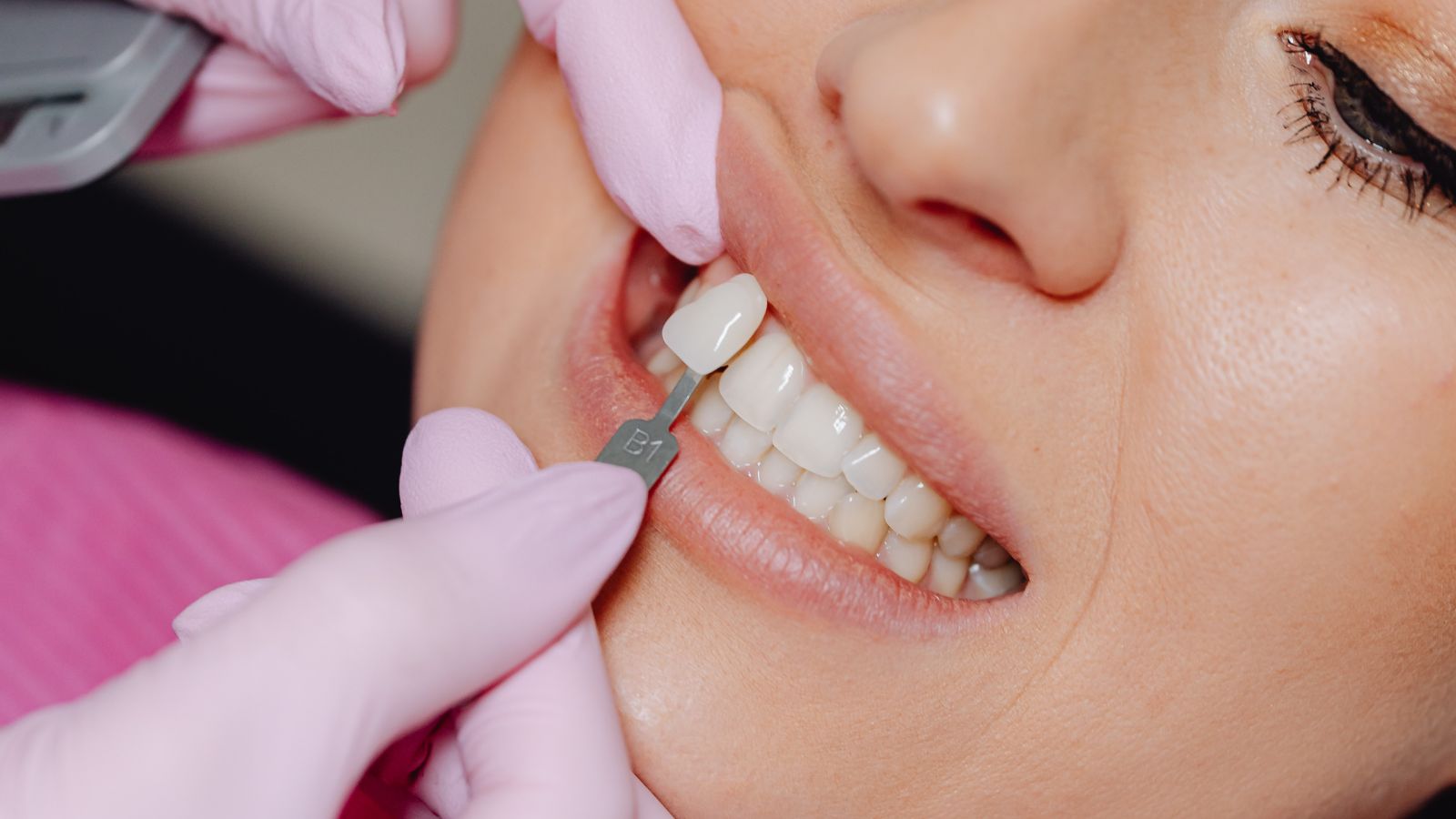
Tooth loss once meant relying on removable plates and accepting limited chewing ability. Today, you have access to solutions that look natural, feel secure, and can last for many years. Dental implants and modern restorative techniques provide an effective balance of strength, comfort, and aesthetics when replacing missing teeth.
This article traces the evolution of tooth replacement—from early methods to today’s precise, science-based care. You will learn the key milestones in that journey, how current treatments function, and which emerging technologies are improving patient outcomes. If you are considering long-term solutions, exploring advanced dental implants in High Point, NC can help you restore function and confidence with predictable, modern results.
Historical Overview of Tooth Replacement
You will see how people moved from simple, local fixes to reliable, science-based replacements. The story covers early materials, key breakthroughs in technique, and changing tools that led to modern implants and dentures.
Ancient Dental Prosthetics
People in ancient times used available materials to replace or repair teeth. Archaeologists found replacements made from shells, bone, ivory, and even metal staples in skulls. In some cultures, craftsmen carved false teeth or tied donated teeth into place with fibers or gold wire.
These early solutions aimed to restore chewing and appearance. They often caused infection or failed quickly because people did not understand oral bacteria or bone healing. Still, those attempts show long-standing interest in replacing missing teeth and paved the way for later scientific approaches.
Advancements in the 19th and 20th Centuries
In the 1800s, dentists began using molded dentures and improved mechanical methods. Cast metal frameworks and porcelain teeth became common. Dentists learned to take more accurate impressions, which made prosthetics fit better and feel more natural.
The 20th century brought major scientific advances. Sterilization, x-rays, and anesthetics improved safety and comfort. The discovery of osseointegration in the mid-1900s — where titanium bonds with jawbone — changed practice. That finding made modern dental implants predictable and durable for many patients.
Materials and Methods Through the Ages
Materials evolved from organic and crude metals to engineered ceramics and titanium. Early dentures used wood, bone, or ivory, then shifted to vulcanite rubber in the 1800s, and later to acrylic resins and porcelain teeth. Each change improved appearance and function.
Methods also moved from purely mechanical attachment to biological integration. Techniques like better impression materials, surgical protocols, and imaging systems improved fit and success rates. Today, you can choose from removable dentures, fixed bridges, or implants depending on your bone health, cost, and lifestyle.
Modern Tooth Replacement Techniques
You will find options that restore chewing, speech, and appearance. Each method has different costs, treatment time, and maintenance needs.
Dental Implants
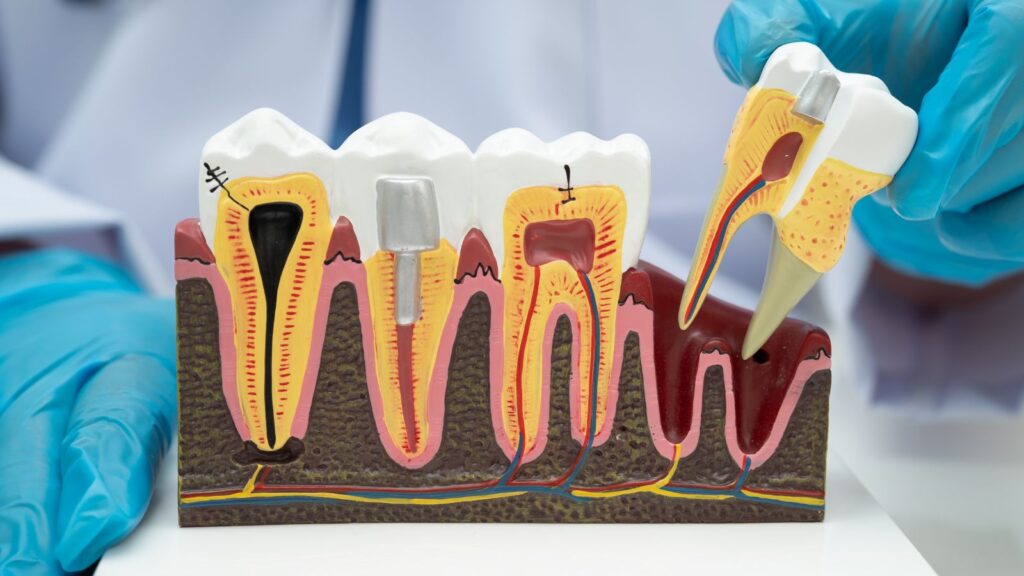
Dental implants replace tooth roots with titanium posts placed into jawbone. You get a single crown, a bridge, or a full-arch prosthesis anchored to those posts. Implants fuse to bone (osseointegration), which keeps them stable and helps prevent bone loss.
Expect several visits over months. Your dentist will assess bone volume, sometimes add bone grafts, then place the implant and later attach the abutment and crown. Implants need daily cleaning like natural teeth. They often last decades with good care but cost more up front than other options.
Fixed Dental Bridges
A fixed bridge fills a gap by bonding a false tooth (pontic) to adjacent teeth or implant crowns. You keep normal chewing function without surgery if you use natural teeth as supports. Bridges work well when nearby teeth are strong or when implants are not possible.
Preparation requires reshaping the supporting teeth to fit crowns. You will get temporary restorations while the lab makes the bridge. Bridges last 5–15 years on average and need careful flossing under the pontic to prevent decay and gum problems. Repair or replacement occurs if supporting teeth fail.
Removable Dentures
Removable dentures include full and partial types that sit on gums and replace many or all teeth. They cost less and allow quick restoration of appearance and basic chewing. Modern dentures fit better than older ones and can be made from acrylic, metal, or flexible materials.
You must remove them to clean and sleep. Dentures may shift while eating or speaking, so adhesives or implant attachments can add stability. Over time, gum and bone changes may require relines or new dentures. Regular dental checkups help adjust fit and check oral tissues.
Mini Implants and Alternative Solutions
Mini implants are smaller-diameter implants that often require less bone and single-visit placement. You can use them to stabilize lower dentures or to support small crowns. They cost less and can be a good choice when you have limited bone or medical constraints.
Other alternatives include resin-bonded (Maryland) bridges and implant-retained overdentures. Resin-bonded bridges conserve tooth structure but suit only certain gaps. Overdentures attach to implants for a balance of stability and removability. Your dentist will evaluate bone, health, budget, and long-term goals to recommend the best option.
Innovations Transforming Tooth Replacement
You will see faster planning, stronger materials, and new ways to regrow tissue that cut treatment time and improve long-term success. These changes affect how implants are made, placed, and healed.
Digital Dentistry and 3D Printing
Digital scans replace messy impressions, giving your dentist accurate 3D models of your mouth in minutes. Those scans feed into planning software that maps implant positions and avoids nerves and sinuses. You benefit from predictable placement, fewer surprises during surgery, and better-fitting restorations.
3D printing makes crowns, guides, and temporary bridges on-site the same day. Printed surgical guides ensure the implant goes where the plan shows. Labs and clinics also use milling and printer workflows to match tooth shape and shade more closely than older methods.
Key benefits:
- Faster turnaround for restorations and temporaries.
- Higher accuracy in implant placement.
- Lower need for repeat visits when scans and prints are done well.
Biocompatible Materials
Titanium and titanium alloys remain the standard for implant fixtures because your bone bonds reliably to them. Newer surface treatments speed up osseointegration, so implants stabilize sooner and reduce healing time.
For visible crowns and bridges, you now get zirconia and high-strength ceramics that match tooth color and resist staining. These materials lower allergy risk and give a natural look. Hybrid options (titanium root with ceramic visible parts) combine strength and aesthetics.
What matters to you:
- Faster bone integration with roughened or coated surfaces.
- Strong ceramics that improve appearance without sacrificing durability.
- Material choices that suit allergies, bite force, and cosmetic goals.
Regenerative Techniques
Bone grafting techniques let you rebuild jaw volume where teeth were lost long ago. Your dentist can use autografts (your bone), donor bone, or synthetic grafts to create a stable base for implants. Guided bone regeneration with membranes controls where new bone grows.
Growth factors and platelet-rich fibrin (PRF) concentrate your own healing proteins to speed tissue repair. In some cases, stem cell–based approaches aim to grow bone or periodontal tissue, though these are still emerging and used selectively.
Practical effects:
- More patients qualify for implants after grafting.
- Shorter waiting times when combining grafts with modern membranes and growth factors.
- Improved long-term support for implants in previously thin or damaged jaws.

Bob Duncan is the lead writer and partner on ConversationsWithBianca.com. A passionate parent, he’s always excited to dive into the conversation about anything from parenting, food & drink, travel, to gifts & more!