
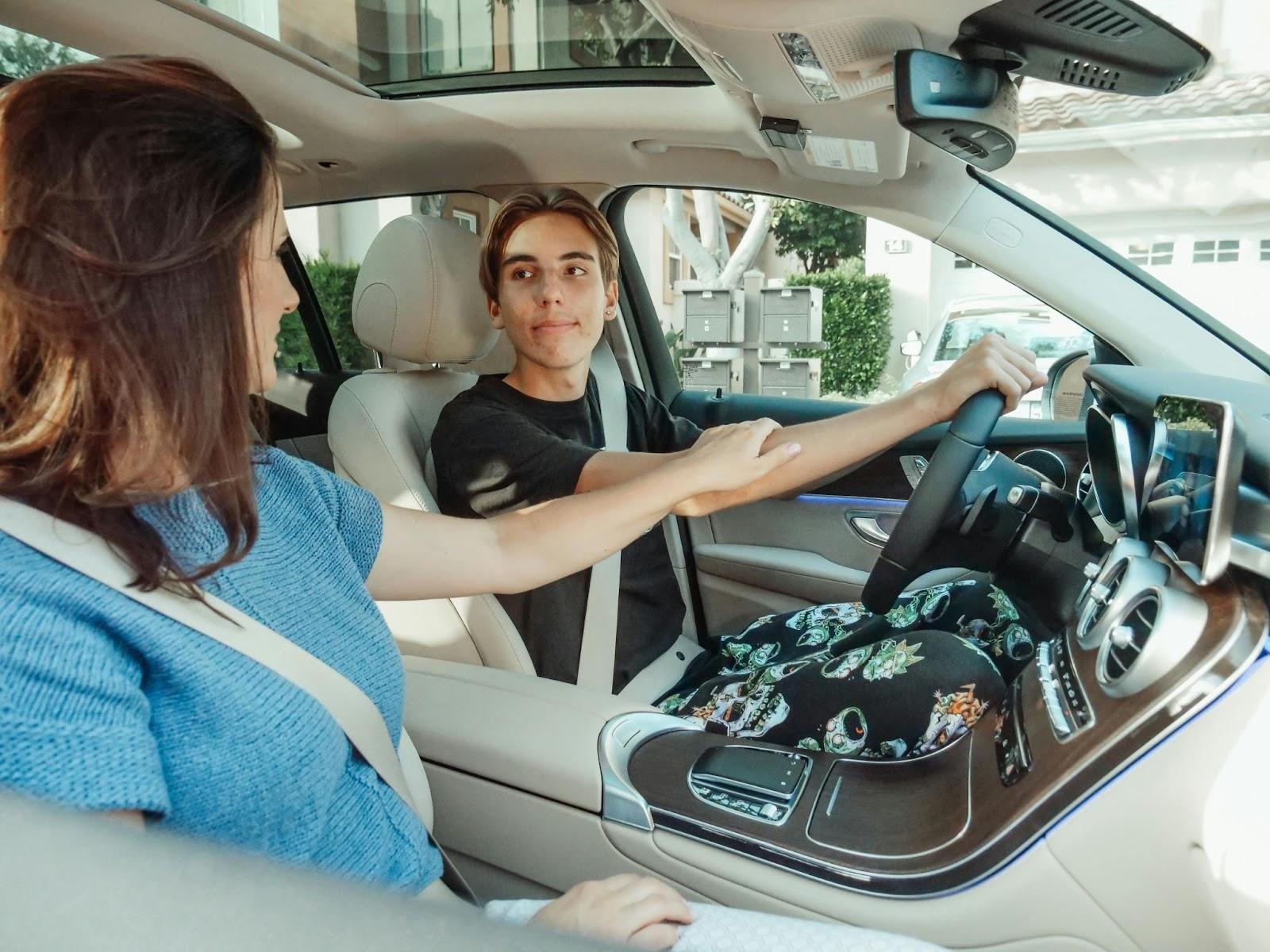
Handing over the car keys to your teenager feels huge. Your stomach does a little flip. You smile and act cool. Inside, you are a nervous wreck. You remember your own first drives. The stall outs. The close calls. The overconfident merges.
Most parents focus on the big stuff. They teach parallel parking and three-point turns. They drill the written test rules. But the real secrets of safe driving live in the smaller moments.
These are the instincts you cannot learn from a manual. One day, your kid will get that pink slip in the mail. It will be official. They will be legal. The question is, are they actually ready?
The Secret Life of Mirrors
Young drivers stare straight ahead. That is what the road does, right? Wrong. Experienced drivers know the mirrors tell a whole story. Teach your teen to glance at the rearview every five to eight seconds. They should know what is behind them without thinking about it.
Show them how to adjust side mirrors properly. No sky. Just pavement and the smallest sliver of your own car. Eliminate blind spots completely. Then, teach the shoulder check. It is not just for the driving test. It saves cyclists and pedestrians from bad surprises. Make it a habit, not a chore.
Hands at Nine and Three
Remember when everyone drove with one hand on top of the wheel? Cool factor was high. Control was low. Modern safety experts agree. Nine and three is the gold standard. This position gives maximum steering authority. It keeps arms clear of the airbag zone. It also prevents that lazy one-handed shuffle through turns.
Explain why this matters. A deer jumps out. A tire blows. The difference between control and chaos is measured in milliseconds. Proper grip buys those milliseconds. It is a tiny adjustment with massive payoff.
Braking Is an Art Form
Teens treat brakes like on-off switches. They stomp hard. You lurch forward. Your coffee spills. It is brutal. Smooth braking is a skill. It requires anticipation. Teach them to scan far ahead. Spot the red light early. Ease off the gas. Coast a little. Feather the pedal gently.
This saves brake pads. It saves fuel. It saves passengers from whiplash. Practice in an empty parking lot. Have them stop without the final jolt. It takes patience. Once they get it, the ride becomes so much more pleasant for everyone.
The Right Lane Is Your Friend
Highways terrify new drivers. Everyone is moving so fast. The left lane seems appealing. It feels faster. Less merging. But it is actually the danger zone. Teach your teen to camp in the right lane unless passing. Slower traffic belongs there. It offers more escape routes. The shoulder is right there. Exits are easily accessible. There is less pressure from aggressive tailgaters.
Explain lane etiquette clearly. Fast lanes are for passing only. Hanging out there invites road rage and risky maneuvers. Humble driving is smart driving.
Weather Changes Everything
Sunny day practice is great. It builds confidence. But rain, snow, and fog demand different skills. Find a quiet, wet parking lot. Let them feel the car slide a little. Teach them to look where they want to go, not at the curb they fear. Explain hydroplaning. Do not panic. Ease off the gas. Steer straight. No sudden moves.
In winter, demonstrate extra following distance. Dry pavement needs three seconds. Wet needs five or six. Snow needs even more. These numbers seem excessive until you need them. Then, they are everything.
Parking Lot Awareness
Parking lots are chaotic jungles. Pedestrians walk between cars. Shopping carts roll loose. Drivers back out without looking. Teens often let their guard down here. Speed seems slow. Danger feels low. But parking lot accidents are incredibly common.
Teach them to creep slowly. Look for reverse lights on parked cars. Watch for little kids near minivans. Park farther away from the entrance. The extra walk is good for them anyway. Less traffic. Less stress. Fewer door dings. It is a simple strategy with huge benefits.
Passengers Are a Huge Distraction
Your teen is an okay driver alone. Throw in three laughing friends and the IQ drops fast. Music gets louder. Phones come out. Attention scatters. Have an honest conversation about this. Explain that every passenger doubles the risk. It is not because they are bad kids. It is biology.
The teenage brain craves social approval. Driving safely is invisible. Looking cool is immediate. Set clear rules. One friend for the first six months. No screaming, no reaching for dropped items, no phone use ever. Your car, your laws.
Maintenance Is Not Optional
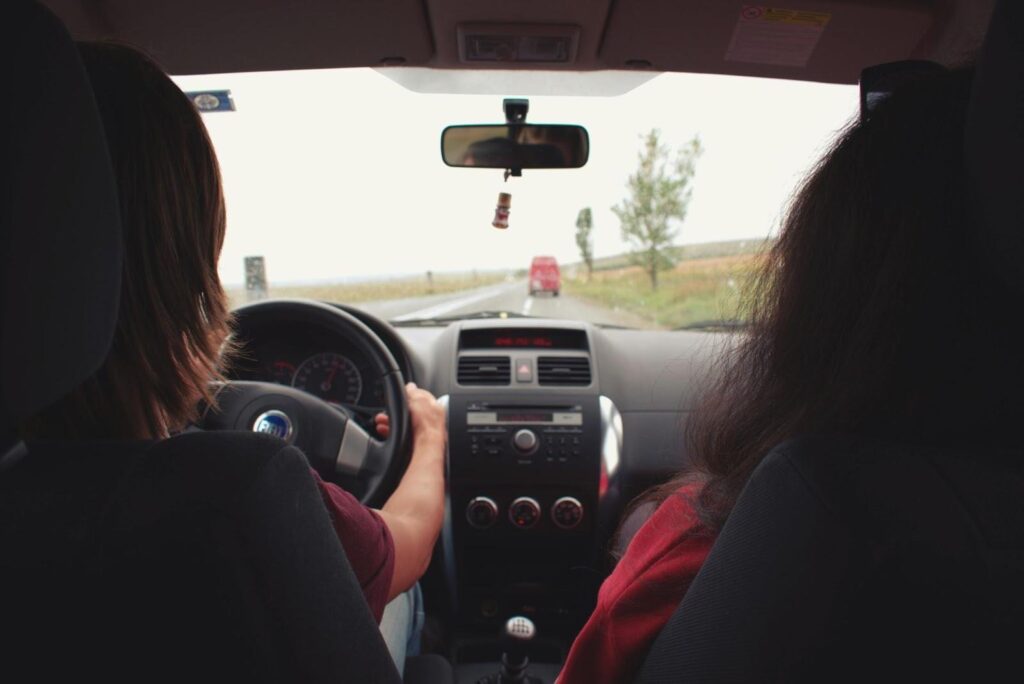
Young drivers treat gas gauges like suggestions. They ignore warning lights. Strange noises are just radio interference. Teach them the basics. How to check oil. How to add washer fluid. What that tire pressure symbol means.
Show them where the spare lives. Practice changing a tire together in the driveway. Not because they will do it alone on a dark highway. But because understanding their machine builds respect. A car is not magic. It is mechanics. Treat it poorly and it will leave you stranded.
You Are Still the Teacher
Your job does not end at the license photo. It really begins there. Keep riding along. Keep offering feedback. Keep modeling good habits. They watch you more than you realize. When you roll through a stop sign alone, they notice. When you speed up to beat a yellow, they file that away.
Drive like someone is always watching. Because they are. The little things you do become the little things they do. Make those things count. You are raising a driver. But you are also raising the person who will teach your grandkids someday. That is worth the effort.

Bob Duncan is the lead writer and partner on ConversationsWithBianca.com. A passionate parent, he’s always excited to dive into the conversation about anything from parenting, food & drink, travel, to gifts & more!