
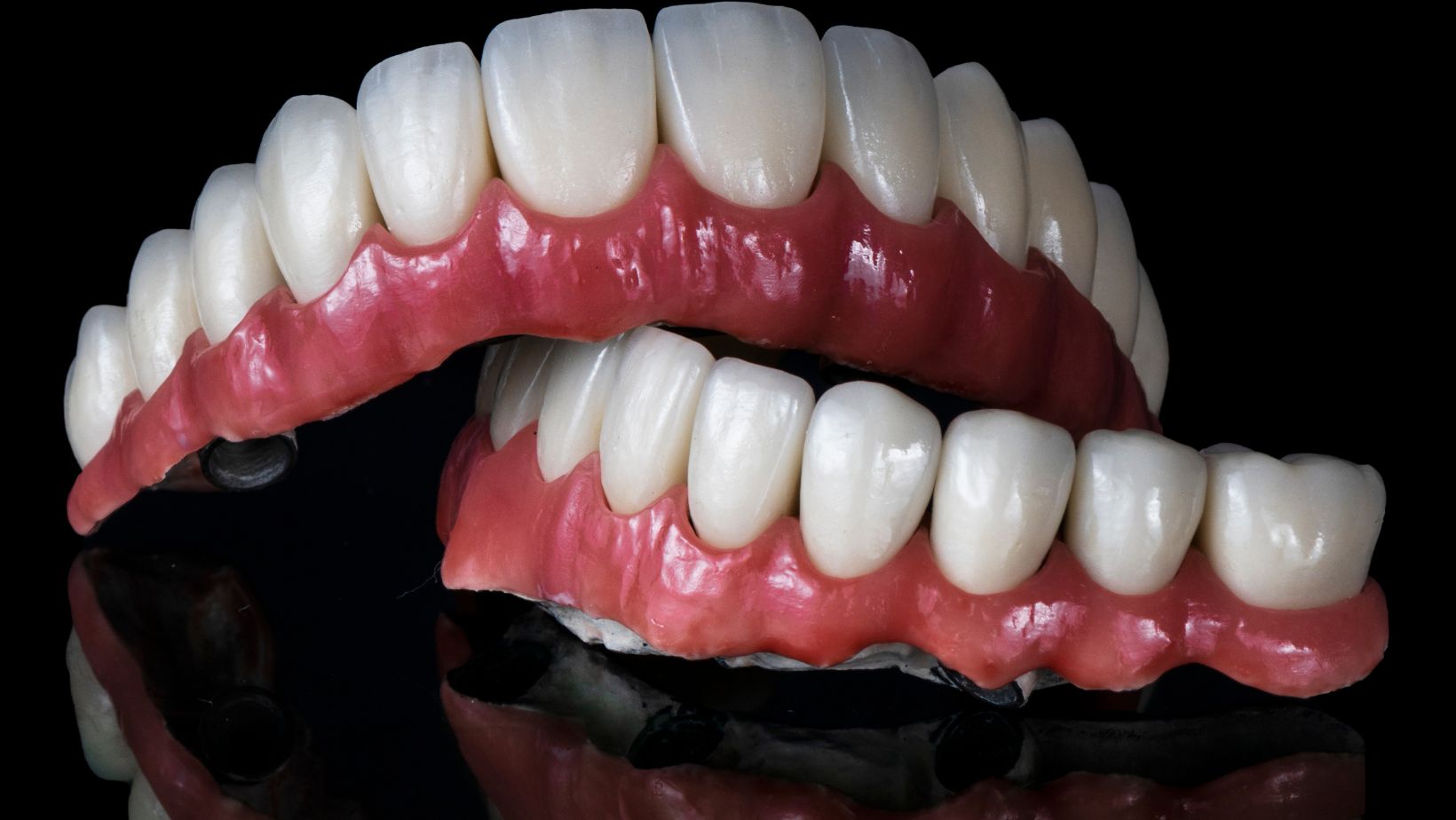
If you need a tooth replaced fast in Minot, ND, same-day dental implants can give you a working tooth the same visit. You can often leave the office with a temporary crown that lets you eat and speak while the implant heals, though not every case will qualify.
This article explains how immediate implants work in Minot, what benefits they offer, and what limits you should expect from the procedure. You’ll learn who makes a good candidate, what the appointment and recovery look like, and how to weigh speed against long-term success.
Understanding Same-Day Dental Implants in Minot, ND
Same-day dental implants in Minot, ND let you leave the office with fixed teeth on the same day as implant placement. You will need a clear plan, good jawbone health or grafting options, and coordination between your dentist and oral surgeon to make it work well.
What Are Same-Day Dental Implants?
Same-day implants place implant posts and attach a temporary fixed prosthesis during one visit. The temporary helps you eat and speak while the implant integrates with your bone. Final crowns or bridges come later after healing, usually a few months.
You should expect imaging like CBCT scans and a digital treatment plan before the day of surgery. That planning reduces surprises and helps your dental team place implants in the best positions for support and esthetics.
Risks and limits exist: if your bone is weak or infection is present, your dentist may delay loading the implant. Same-day does not always mean every case qualifies.
Eligibility Criteria for Immediate Tooth Replacement
You must have adequate jawbone density or be willing to undergo bone grafting. Good oral health matters: untreated gum disease, active infection, or heavy smoking can make immediate loading unsafe.
Your medical history also affects eligibility. Conditions like uncontrolled diabetes or certain medications (for example, long-term steroids or bisphosphonates) may raise the risk of implant failure. Be ready to share your full medical and dental history.
Local providers in Minot typically evaluate with exams, scans, and study models. They will explain if a staged approach (place implant, wait, then restore) is safer for your situation.
Types of Immediate Implants Offered Locally
Minot clinics commonly offer three immediate options: single-tooth temporaries, All‑On‑4/All‑On‑X full-arch immediate restorations, and mini dental implants for certain cases. Each option serves different needs.
- Single-tooth immediate: used when one tooth is missing but adjacent bone and gums are healthy.
- All‑On‑4/All‑On‑X: replaces a full arch on the day of surgery using 4–6 implants and a fixed provisional bridge.
- Mini implants: smaller posts placed with less surgery; often used to stabilize dentures or when bone is limited.
Your dentist will recommend the best type based on bone quality, bite forces, esthetic goals, and budget.
Benefits and Limitations of Immediate Tooth Replacement
Immediate implants can give you a new tooth the same day, preserve jawbone shape, and cut total treatment time. They also carry stricter candidate rules and a higher chance of short-term complications if bone or healing conditions are not ideal.
Realistic Expectations for Function and Aesthetics
You will usually get a temporary crown that looks like a natural tooth the same day as implant placement. That temporary crown restores basic chewing and appearance, but you should avoid biting hard items until the implant fully integrates with bone. Full biting force typically returns after several months when the final crown is placed.
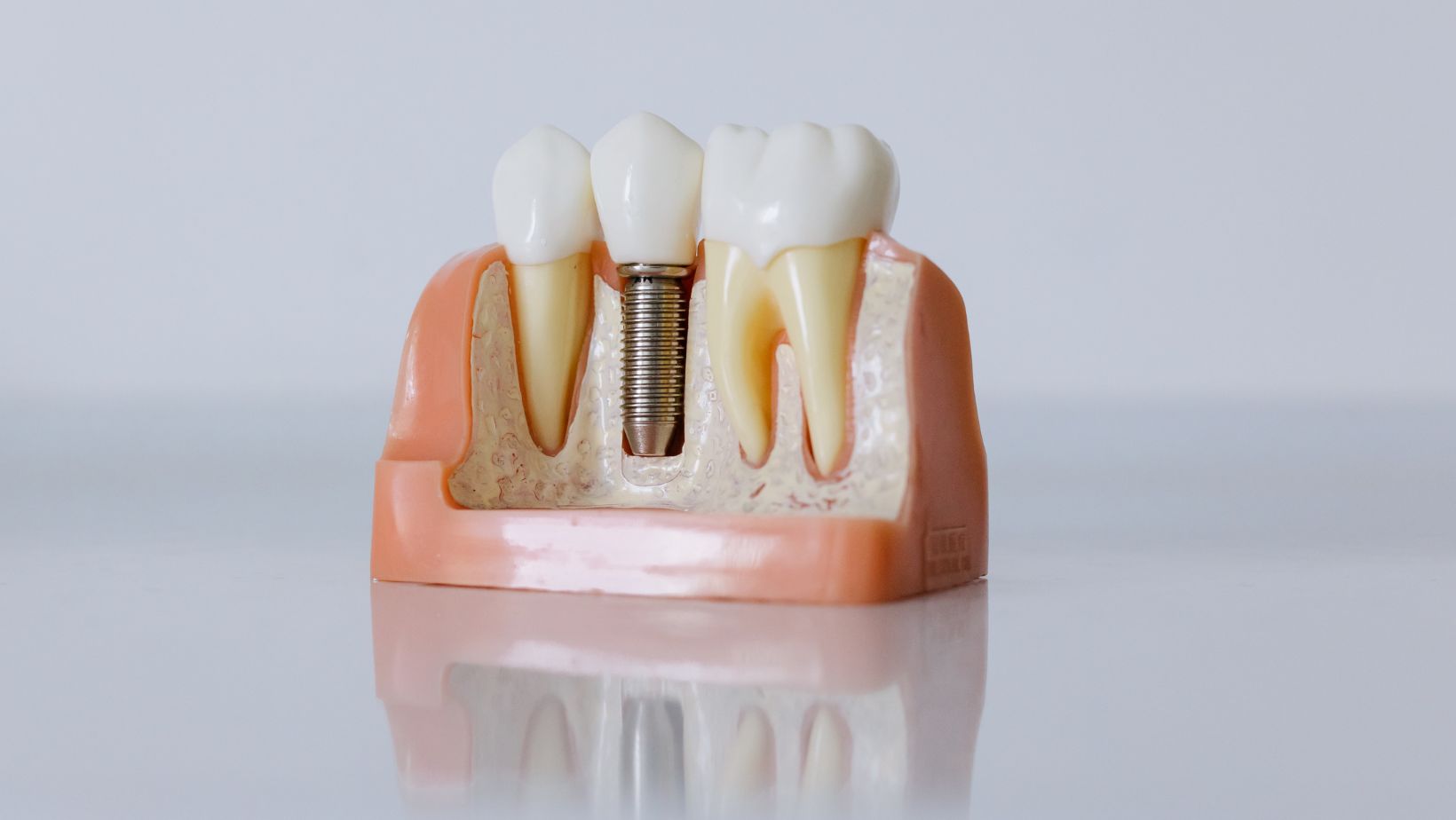
A single immediate implant can match nearby teeth in color and shape, but exact gum contour and long-term aesthetics depend on how well your soft tissue heals. If you have thin gums, significant bone loss, or infection at the extraction site, your final cosmetic outcome may need additional grafting or soft-tissue work.
Comparing Same-Day Implants to Traditional Options
Same-day implants reduce overall treatment time by combining extraction, implant placement, and a temporary crown into one visit. You save weeks or months versus the staged approach that waits for socket healing before placing the implant.
Traditional delayed implants may be better if you have poor bone volume or active infection. Delayed treatment lets a dentist place bone grafts or heal the socket first, which can improve long-term stability. Cost can be similar or higher for same-day care when extra imaging, guided surgery, or specialist time is required.
Potential Risks and Contraindications
You should not expect same-day implants to work well if you smoke heavily, have uncontrolled diabetes, or poor oral hygiene. These factors raise the chance of implant failure and infection.
Immediate implants need enough stable bone at placement. If your dentist finds less than about 3–4 mm of solid bone engagement, they may recommend delaying the implant or performing grafting first. Short-term risks include implant mobility, temporary crown failure, and the need for additional surgery if integration fails.
What to Expect From the Same-Day Dental Implant Process
You will leave the clinic with a temporary tooth or prosthesis the same day your implant is placed. Expect a planned visit that covers imaging, surgery, and immediate fittings, followed by specific aftercare and cost steps.
Step-by-Step Overview of the Procedure
- Consultation and imaging: Your dentist takes CBCT scans and digital impressions to check bone height, nerve position, and gum health. This lets them plan exact implant position.
- Tooth extraction (if needed): If a damaged tooth must come out, they remove it gently and clean the socket.
- Implant placement: The implant post is placed into the jawbone. Your dentist checks initial stability; this determines whether a same-day temporary can attach.
- Immediate provisional: If the implant is stable, a temporary crown or bridge is attached the same day. It is shaped for basic chewing and looks natural but is not the final restoration.
- Final restoration timeline: You typically receive the permanent crown or bridge after 3–6 months, once the implant has integrated with the bone.
Post-Procedure Care and Recovery Timeline
Expect swelling, mild pain, and light bleeding for 24–72 hours. Your dentist will give written care steps and prescribe pain relievers or antibiotics if needed.
- First 48 hours: Use ice packs and stick to soft foods like yogurt, mashed potatoes, and soups. Avoid straws and heavy chewing.
- First two weeks: Keep the area clean with gentle rinses and avoid smoking. You may return to normal light activities in a few days.
- Weeks 6–12: Bone healing continues. Follow checkups at 2 weeks and 3 months to monitor integration and gum health.
- When permanent tooth is placed: Your bite will be adjusted for comfort. Expect occasional sensitivity during final adjustments.
Cost Considerations and Insurance Factors
Same-day implants cost more than standard extractions but can be similar to staged implant treatments when factoring lab and chair time. In Minot, ND, typical full single-tooth immediate procedures range widely; ask local clinics for an itemized estimate.
- Itemized costs to request: imaging (CBCT), surgical fee, implant post, abutment, provisional prosthesis, lab fees, and final crown.
- Insurance: Many dental plans cover parts of the procedure, like extractions or crowns, but rarely the full implant fee. Confirm with your insurer which codes they cover.
- Financing: Ask about payment plans, dental credit, or in-house financing. Get written estimates and compare 2–3 providers in Minot for best value.