
Thinking about dental implants in Schererville means weighing your goals, budget, and local options. Dental implants can replace missing teeth with a long-lasting, natural-feeling solution, but success depends on jaw bone health, the surgeon’s experience, and clear cost and care plans.
You’ll want to know how implants work, what to expect during surgery and recovery, and how local clinics handle financing and insurance. This post walks through practical choices specific to Schererville so you can decide what fits your mouth and your budget.
Understanding Dental Implants
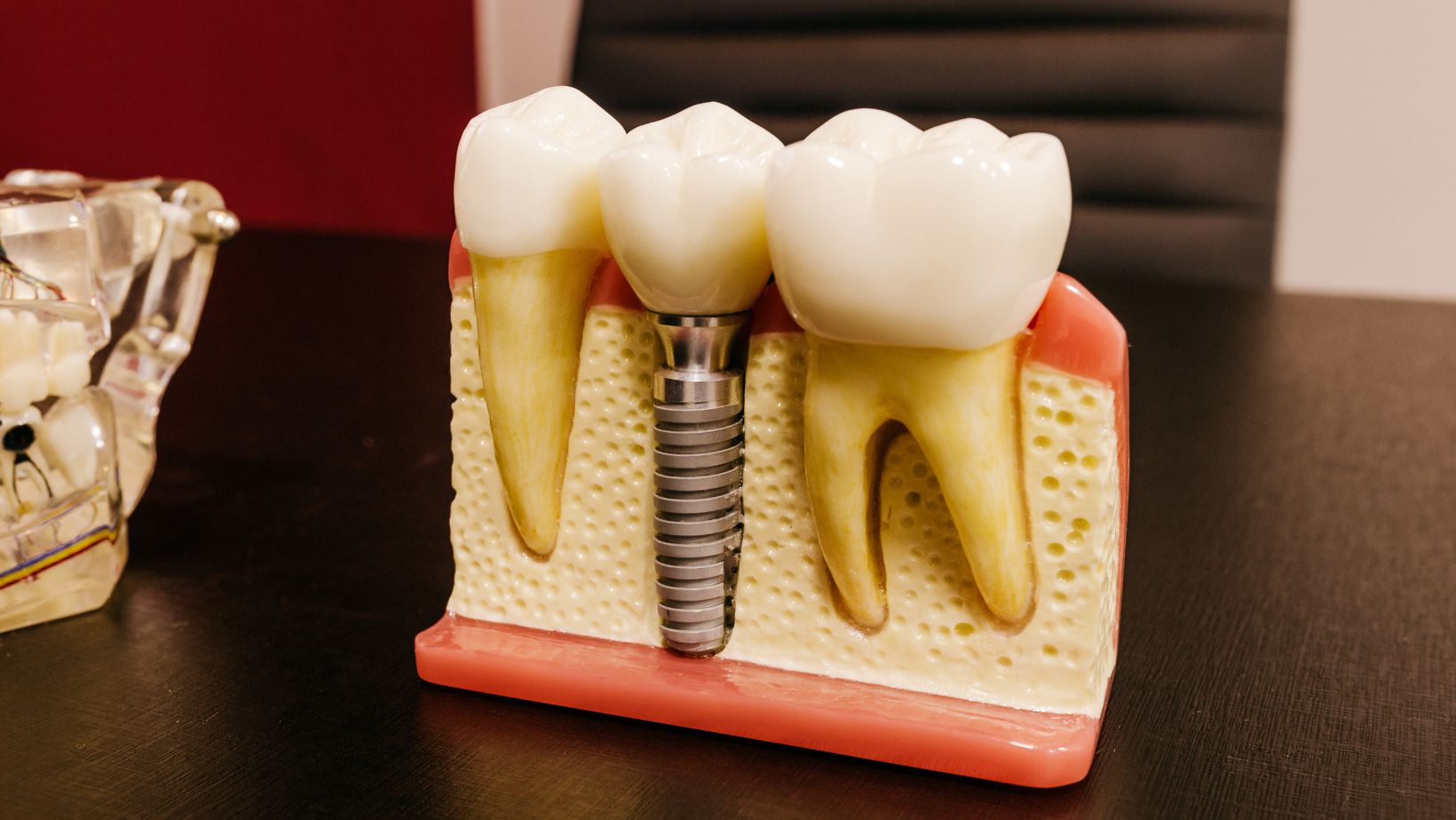
Dental implants replace missing teeth with a fixed, long-term solution that looks and functions like natural teeth. They involve metal implants, connecting pieces, and tooth restorations, and the process requires surgery and healing time.
What Are Dental Implants?
Dental implants are small titanium posts placed into your jawbone to act like tooth roots. They provide a stable anchor for crowns, bridges, or dentures and won’t slip like removable options.
You typically get one implant per missing tooth, though a few implants can support a whole arch. Implants integrate with bone, which helps preserve jaw shape and prevents the bone loss that follows tooth loss.
Common reasons people in Schererville choose implants include improved chewing, better speech, and a natural look. Implants can last many years when you keep good oral hygiene and attend follow-up visits.
Types of Dental Implants
There are several implant types. The main kinds you’ll see are:
- Endosteal implants: Titanium screws placed directly in the jawbone. Most common for single or multiple teeth.
- Subperiosteal implants: Placed on top of the bone under the gum. Used when bone height is low.
- All-on-4 or full-arch implants: Four (or more) implants support a full set of upper or lower teeth.
You may also encounter different materials and abutment styles. Titanium is common for strength and bone bonding. Zirconia implants offer a metal-free option for people with metal sensitivities.
Your dentist or oral surgeon will recommend a type based on bone volume, health history, and whether you need single-tooth replacement or a full-arch restoration.
How Dental Implants Work
Implant treatment usually follows these steps:
- Evaluation and planning — X-rays or CT scans check bone and nerve positions.
- Implant placement — The surgeon inserts the titanium post into the jawbone.
- Osseointegration — The bone grows around the implant over weeks to months.
- Abutment and restoration — After healing, a connector (abutment) and crown, bridge, or denture attach to the implant.
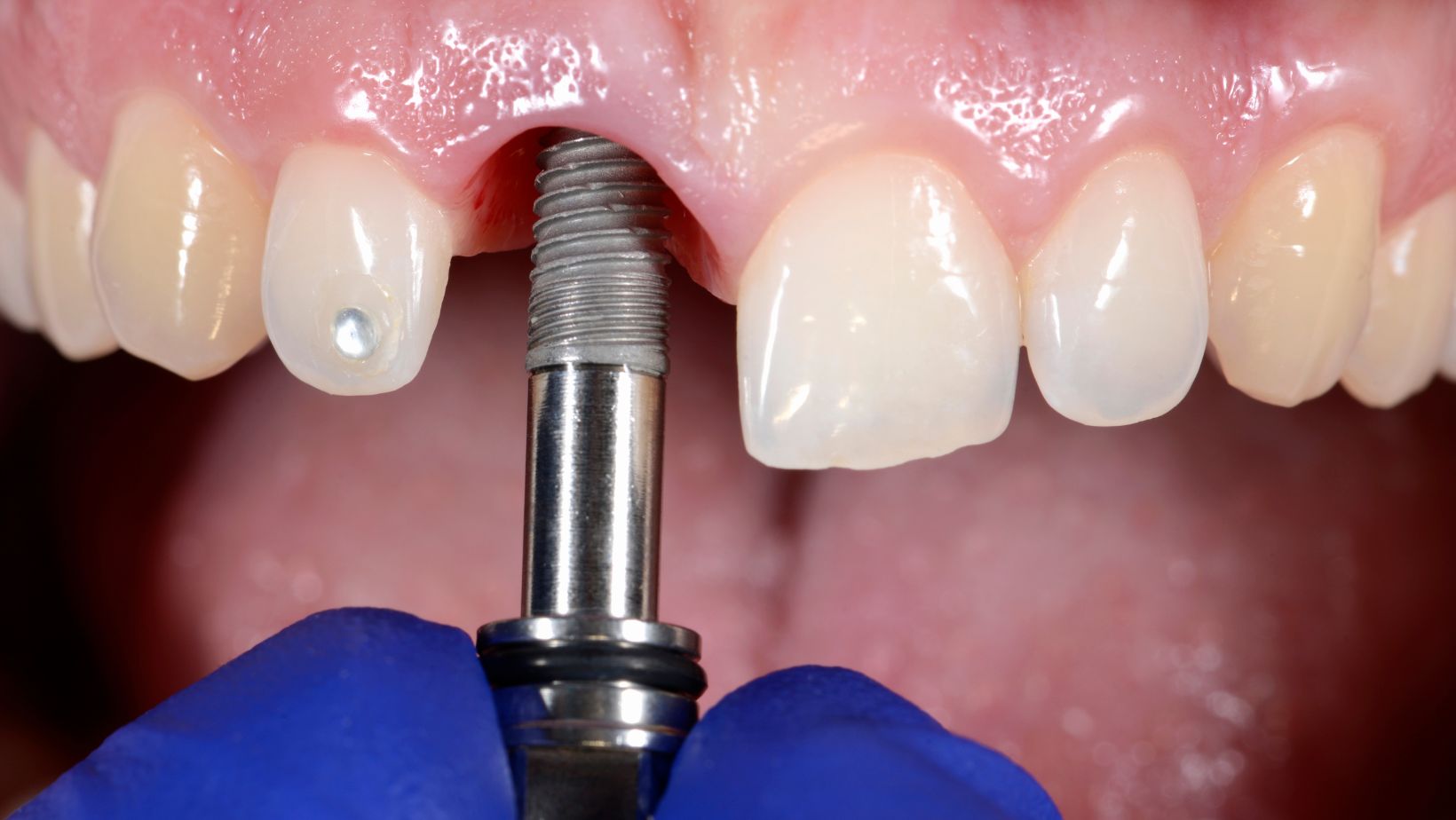
You may need bone grafting before implants if your jaw lacks sufficient bone. Local anesthesia and sedation options keep you comfortable during surgery. Expect swelling and mild discomfort that typically eases within a few days.
After placement, maintain daily brushing, flossing, and regular dental visits. Proper care reduces infection risk and helps the implant last decades.
Key Considerations for Schererville Patients
You should focus on choosing the right provider, understanding local practice rules, confirming your health fits implant needs, and planning for upkeep and lifespan. These points help you avoid surprises and get predictable results.
Finding a Qualified Implant Dentist in Schererville
Look for an oral surgeon or periodontist who places implants regularly. Check credentials: state dental license, board certifications, and membership in professional groups. Ask how many implant cases they do each year and request before-and-after photos from patients in Schererville or nearby towns.
Confirm the office uses CBCT imaging for bone evaluation and digital planning tools for implant placement. Ask whether the practice handles the entire process in-house (surgery plus restoration) or refers parts out. Read local reviews and call the office to ask about experience with cases like yours—single crowns, full-arch, or All-on-4.
Local Regulations and Dental Practice Standards
Indiana requires licensed dentists and oral surgeons to follow state regulations and continuing education rules. Verify the provider’s license status through the Indiana Professional Licensing Agency website. Clinics must follow infection control standards and OSHA protocols; you can ask about sterilization and PPE practices.
Find out whether the practice uses certified dental labs for restorations and whether it carries malpractice or liability insurance. If you have Medicaid or specific insurance, confirm coverage and whether the Schererville provider accepts it. Local clinics often post patient rights and privacy policies—request those if you need clarity.
Patient Candidacy and Health Assessment
You must have sufficient jawbone volume and healthy gums for most implants. Expect a clinical exam, dental X-rays or CBCT scans, and review of medical history including diabetes, smoking, and bone medications like bisphosphonates. These factors affect healing and osseointegration.
If you lack bone, ask about bone grafts or sinus lifts and the added time and cost. Discuss medications, bleeding disorders, and past radiation to the head or neck. The practice should explain alternatives such as bridges or dentures if implants are not suitable.
Expected Lifetime and Maintenance
Implants can last decades but require care. You must maintain daily brushing and flossing and schedule professional cleanings every 3–6 months based on your gum health. Ask the clinic for a maintenance plan and who handles long-term follow-up in Schererville.
Know common risks: peri-implantitis, implant failure, and wear of the crown or prosthetic parts. Find out the warranty or guarantee on the implant components and restorations, and whether the office performs repairs or refers locally. Budget for possible future costs like crown replacement or soft-tissue treatment.
Cost, Insurance, and Financing Options
You will face several cost factors, possible partial insurance coverage, and multiple local financing choices. Know typical price ranges, what insurers may cover, and which payment plans clinics in Schererville commonly offer.
Typical Costs for Dental Implants in Schererville
Single-tooth implant procedures in Schererville usually range from about $2,000 to $5,000 per tooth. This price typically includes the implant post, abutment, and crown but can vary by implant brand, material, and dentist experience.
Full-arch solutions such as All-on-4 commonly run from $15,000 to $40,000 per arch depending on the lab work and number of implants. Additional costs may include bone grafts, CT scans, and extractions.
Ask your clinic for an itemized estimate that lists consultation fees, imaging, surgery, materials, and follow-up visits. That helps you compare quotes and avoid surprise charges.
Insurance Coverage for Dental Implants
Many dental insurance plans do not fully cover implants, but some plans now offer partial benefits. Typical coverage might apply to portions such as the crown or diagnostic imaging rather than the implant post itself.
Always call your insurer with specific procedure codes (CPT/Dental CDT codes) before treatment. If your plan lists implant-related coverage, request written confirmation of limits, waiting periods, and annual maximums.
Bring preauthorization paperwork to your Schererville appointment. The office staff can often verify benefits and submit claims on your behalf, which reduces billing confusion and helps you plan out-of-pocket expenses.
Financing and Payment Plans
Most Schererville clinics accept CareCredit, Proceed Finance, LendingClub, or in-house payment plans to spread costs over time. These options often include promotional low- or no-interest periods for 6–24 months.
Compare interest rates, monthly payments, and any deferred-interest clauses. Also ask whether the clinic requires a down payment, how refunds are handled if treatment changes, and whether financing covers pre- and post-op services.
Request a written payment agreement. That document should state the financed amount, interest rate, payment schedule, and consequences for missed payments so you can budget confidently.
Life After Dental Implants
You will follow a short recovery routine, then move into long-term care that keeps implants stable and natural-looking. Know common risks so you can spot problems early and get timely care.
Recovery Process and Aftercare
Expect soreness, slight swelling, and light bleeding for 24–72 hours after surgery. Use ice packs in 10–15 minute intervals for the first 24 hours, take prescribed pain meds or OTC ibuprofen as directed, and avoid heavy lifting or bending for a few days.
Eat soft foods like yogurt, mashed potatoes, and smoothies for the first week. Avoid crunchy, sticky, or very hot foods until your surgeon clears you. Keep the surgical area clean by rinsing gently with saline or an antimicrobial rinse 24 hours after surgery; don’t use a toothbrush on the site until your surgeon gives the okay.
Follow-up visits matter. Your surgeon will check healing, remove sutures if needed, and schedule implant checks and crown placement. If you smoke, stop for at least several weeks before and after surgery to lower failure risk.
Long-Term Benefits
Dental implants fuse with your jawbone to act like natural tooth roots. This stability lets you bite and chew foods you enjoy, unlike many removable dentures.
Implants help preserve jawbone and facial structure by preventing bone loss where teeth are missing. They also support single crowns, bridges, or full-arch prosthetics for a more natural look and speech compared with loose dentures.
With proper home care—daily brushing, flossing around the implant, and regular dental cleanings every 3–6 months—you can expect implants to last many years. Track gum health and prosthetic fit; timely repairs or adjustments keep implants functioning well.
Potential Risks and Complications
Infection at the implant site is one of the more common problems. Watch for increasing pain, swelling, fever, or discharge and call your surgeon promptly if these occur.
Other risks include implant failure due to poor bone quality, smoking, uncontrolled diabetes, or bruxism (teeth grinding). Nerve or sinus injury is rare but possible depending on implant location; report numbness, tingling, or persistent sinus issues immediately.
Peri-implantitis is a long-term risk where inflammation damages bone around the implant. You can reduce this risk with good oral hygiene, regular professional cleanings, and avoiding tobacco. If complications arise, treatment ranges from antibiotics and cleaning to surgical intervention to save or replace the implant.

Jennie Powell is the co-founder of Conversations With Bianca, a leading mom blog. Her creative writing style sparks reader-friendly and engaging content that’s adored by parents and bloggers. Jennie loves to empower and educate moms. This has helped Conversations With Bianca gain a loyal following.
Jennie’s unique voice is seen in her blog posts. She gives insight into the everyday lives of moms and offers helpful parenting info. Her commitment to providing relevant content distinguishes her from other bloggers in the parenting niche.