
Your pup gives you loyalty, endless entertainment, and the occasional shoe casualty. But here’s something most pet parents don’t talk about enough: digestive health in dogs is a massive indicator of their overall well-being. And no, we’re not just talking about what happens during walks around the block.
Dogs experience digestive issues way more often than people realize. From upset stomachs to dog acid reflux, these problems can seriously affect how your pup feels day to day. The good news? Understanding the basics of canine gut health puts you in a much better position to catch problems early and keep your four-legged companion thriving for years to come.
Why Gut Health Is Having Its Main Character Moment
The conversation around gut health has exploded in recent years, and honestly, it’s about time. According to the American Kennel Club, a healthy gut microbiome in dogs plays a role in everything from nutrient absorption to immune function. That’s right: roughly 70% of your dog’s immune system lives in their digestive tract.
Think of the gut as command central for your dog’s body. When things are running smoothly, food gets broken down properly, nutrients get absorbed efficiently, and waste exits on schedule. But when the gut microbiome gets thrown off balance, problems pop up everywhere. Skin issues, low energy, behavioral changes, and chronic inflammation can all trace back to what’s happening in your dog’s digestive system.
The tricky part is that dogs can’t exactly tell us when something feels off. They might eat grass obsessively, turn their nose up at food they normally love, or show subtle changes in their bathroom habits. These signals often get dismissed as quirky behavior when they could actually be early warning signs of digestive distress.
Common Digestive Issues That Fly Under the Radar
Let’s break down some of the gut problems that affect dogs more commonly than most dog parents realize.
Chronic Inflammation
Low-grade inflammation in the digestive tract doesn’t always present with dramatic symptoms. Your dog might just seem a little less energetic or take longer to bounce back after exercise. Over time, chronic inflammation can damage the intestinal lining and reduce nutrient absorption, leading to health problems that seem unrelated to digestion at first glance.
Food Sensitivities
Unlike full-blown allergies, food sensitivities cause delayed reactions that are harder to pin down. Your dog might develop itchy skin, ear infections, or digestive upset hours or even days after eating a problematic ingredient. Common culprits include chicken, beef, dairy, and wheat, though sensitivities vary wildly from dog to dog.
Bacterial Imbalance
A healthy gut contains trillions of bacteria working together. Stress, antibiotics, dietary changes, and environmental factors can all throw this balance out of whack. When bad bacteria crowd out the good ones, dogs often experience gas, bloating, irregular stools, and less interest in food.
Enzyme Deficiency
Some dogs don’t produce enough digestive enzymes to properly break down their food, a condition most commonly seen in exocrine pancreatic insufficiency (EPI). This leads to poor nutrient absorption even when they’re eating high-quality meals. Signs include weight loss despite normal eating, large or frequent stools, and coprophagia, which is the technical term for when dogs eat their own waste.
The Food Factor: Why Diet Deserves Your Attention
What goes into your dog directly impacts what comes out, both literally and health-wise. The pet food industry has changed a ton over the years, and today’s options range from basic kibble to raw diets, fresh frozen meals, and everything in between.
Here’s what actually matters when evaluating your dog’s diet for gut health:
Protein Quality
Not all proteins are created equal. Whole meat sources like chicken, fish, or lamb provide amino acids that are easier for dogs to digest and use compared to meat byproducts or heavily processed protein isolates. Look for named protein sources at the top of ingredient lists.
Fiber Balance
Dogs need both soluble and insoluble fiber to maintain healthy digestion. Soluble fiber feeds the good bacteria in the gut, while insoluble fiber keeps things moving through the digestive tract. Sweet potatoes, pumpkin, and certain leafy greens offer gut-friendly fiber without upsetting sensitive stomachs.
Unnecessary Additives
Artificial colors, flavors, and preservatives serve no nutritional purpose and can actually irritate the digestive tract over time. The same goes for excessive fillers like corn syrup or propylene glycol. Simpler ingredient lists generally mean easier digestion.
Supporting Digestive Health Beyond the Food Bowl
Diet forms the foundation, but a few other things matter too.
Consistent Meal Timing
Dogs thrive on routine, and their digestive systems are no exception. Feeding at the same times each day helps regulate digestive enzyme production and promotes regular bowel movements. Erratic feeding schedules can throw off the entire system.
Stress Management
The gut-brain connection isn’t just a human thing. Dogs experience stress-related digestive issues too. Major life changes, separation anxiety, loud noises, and environmental disruptions can all trigger GI symptoms. Keeping your dog’s stress levels in check supports better digestive function.
Appropriate Exercise
Regular physical activity helps maintain healthy gut motility and reduces inflammation throughout the body. However, intense exercise right before or after meals can cause digestive upset. Aim for moderate activity with appropriate rest periods around feeding times.
Hydration
Your dog needs plenty of water for proper digestion. Dehydration can lead to constipation and make it harder for the body to absorb nutrients. Always ensure fresh water is available, and consider adding moisture through wet food or hydrating treats if your dog isn’t a big drinker.
When to Loop In Your Vet
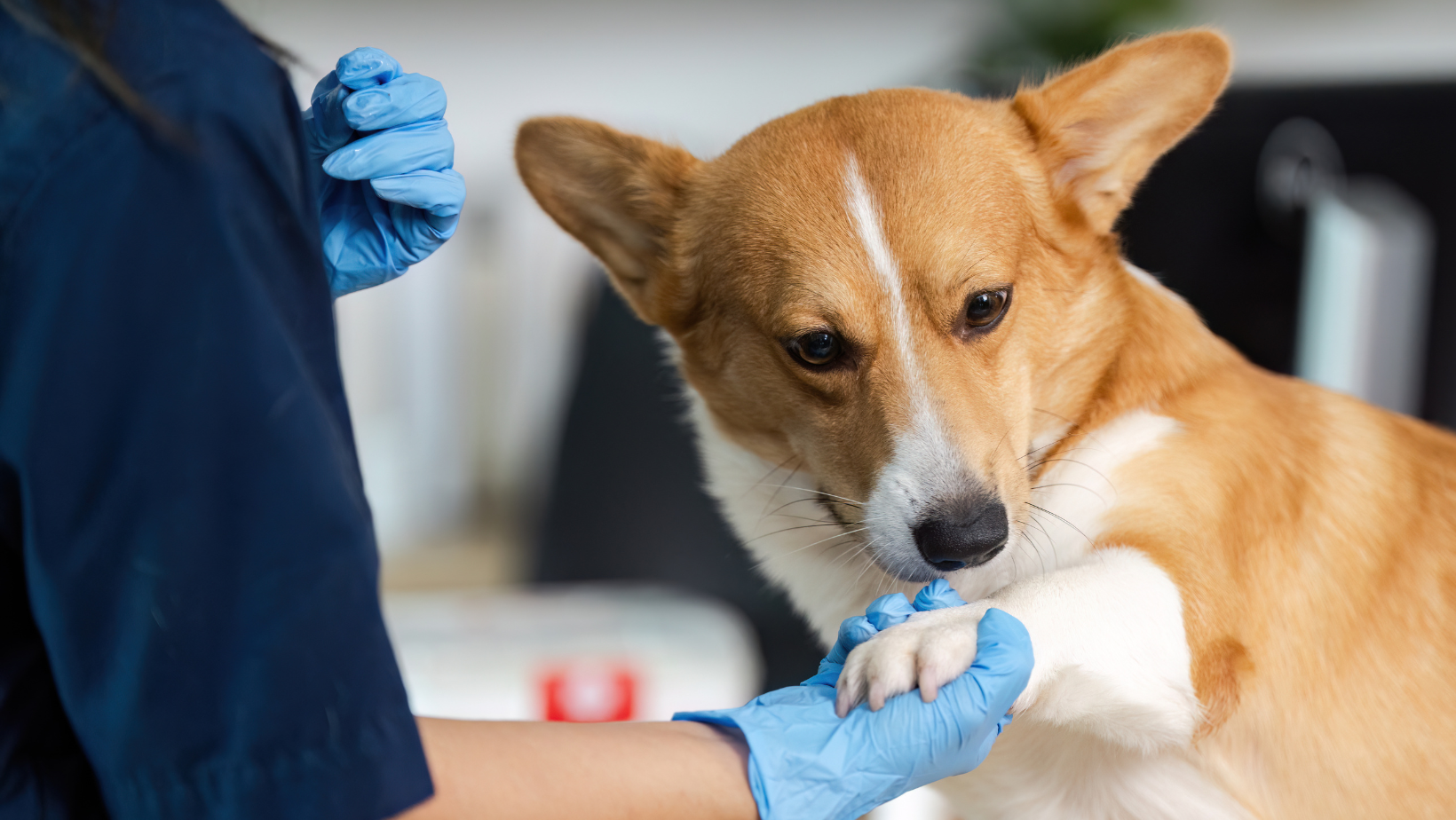
While minor digestive hiccups happen to every dog occasionally, certain symptoms mean it’s time to call the vet. According to the American Veterinary Medical Association, persistent vomiting, bloody stools, unexplained weight loss, and prolonged appetite changes all need a vet’s attention. These symptoms could point to something more serious that needs specific treatment.
Don’t wait until symptoms get bad. Catching things early usually means easier fixes and less stress for everyone involved. Your vet can run tests to figure out what’s going on and put together a game plan.
The Bottom Line on Canine Gut Health
Taking your dog’s digestive health seriously isn’t about becoming obsessive or paranoid. It’s about paying attention to the signals your pet sends and making smart choices that help them feel their best.
Start by looking at your current feeding routine and watching for subtle changes in your dog’s energy, coat quality, and bathroom habits. Small tweaks often make a real difference. And remember, every dog is different. What works perfectly for your neighbor’s golden retriever might not suit your rescue mutt at all.
More vets are talking about the link between gut health and overall vitality in dogs these days. Pet parents who pay attention and stay on top of things give their companions a better shot at longer, healthier, happier lives. Your dog can’t Google this stuff, so consider this your homework assignment on their behalf.