

Many people exploring at-home wellness tools want something that fits naturally into their daily routines and still offers measurable support for their goals. This is one reason interest in red light therapy continues to grow. With so many devices available, choosing the right one can feel overwhelming. Each option varies in design, function, and intensity, making it important to understand what separates one device from another.
Learning about these features helps individuals make confident decisions that reflect their needs, lifestyle preferences, and long-term plans. The right device should feel practical, accessible, and easy to use so that it becomes a consistent part of a wellness routine rather than something that gets set aside.
Understanding What a Device Can Do
Red light therapy devices differ widely in power level, wavelength range, size, and intended use. These variations influence how effective a device may be for someone’s goals. Many devices include wavelengths around 630 to 660 nanometers for red light and around 810 to 850 nanometers for near-infrared light.
Red light targets the skin’s surface, while near-infrared light penetrates more deeply. Understanding this distinction helps users choose a device capable of delivering the type of support they are seeking. A combination device offers versatility and can address a broader range of needs.
Device size also plays an important role. Smaller devices are typically designed for targeted use and are helpful for people who want to focus on specific areas. They are portable, easy to store, and convenient when time is limited.
Larger panels offer full-body coverage and can reduce session time, but they require more space and may involve higher upfront costs. The level of intensity a user prefers will influence whether a compact device or a larger system is most suitable. Someone new to red light therapy may appreciate starting with a smaller option before committing to a full-size panel.
Matching the Device to Your Lifestyle and Goals
Choosing the best device depends on how someone expects to integrate red light therapy into daily or weekly habits. People with limited space may prefer a compact or mid-sized device that fits easily onto a nightstand or bathroom counter. These devices can be used while sitting comfortably, making them suitable for individuals who want quick sessions incorporated into existing routines.
For users who want broader coverage or more intensive sessions, larger panels that stand on the floor or mount to a door provide more versatility. These larger devices allow individuals to treat multiple areas at once. Understanding personal goals helps narrow the options. Those seeking targeted support may find smaller devices ideal, since they allow precise application. Individuals with goals related to general wellness or full-body use may find a larger panel more efficient.
Lifestyle factors also influence the decision. People who travel frequently may appreciate portable devices, while those with consistent schedules and dedicated home spaces may be able to incorporate larger systems. Determining which features align with day-to-day life helps guarantee that the chosen device becomes a sustainable part of a routine.
Safety, Quality, and Practical Considerations
Safety should be a priority when selecting any red light therapy device. Reliable devices often include certifications that verify their construction and performance. Understanding these certifications helps users distinguish high-quality products from less dependable options. Devices should be made with safe materials that handle heat well and use LEDs designed for long-term durability. When safety standards are clear and transparent, users can trust the device to perform consistently over time.
Build quality also influences the experience. A well-designed device distributes light evenly, maintains stable performance, and handles repeated use without failing. Structural features such as sturdy frames, strong hinges, and high-quality wiring contribute to longevity. Devices with intuitive controls reduce the risk of misuse. A stable stand or mounting system adds to both safety and convenience. Practical features, such as quiet operation and minimal heat output, improve comfort during sessions.
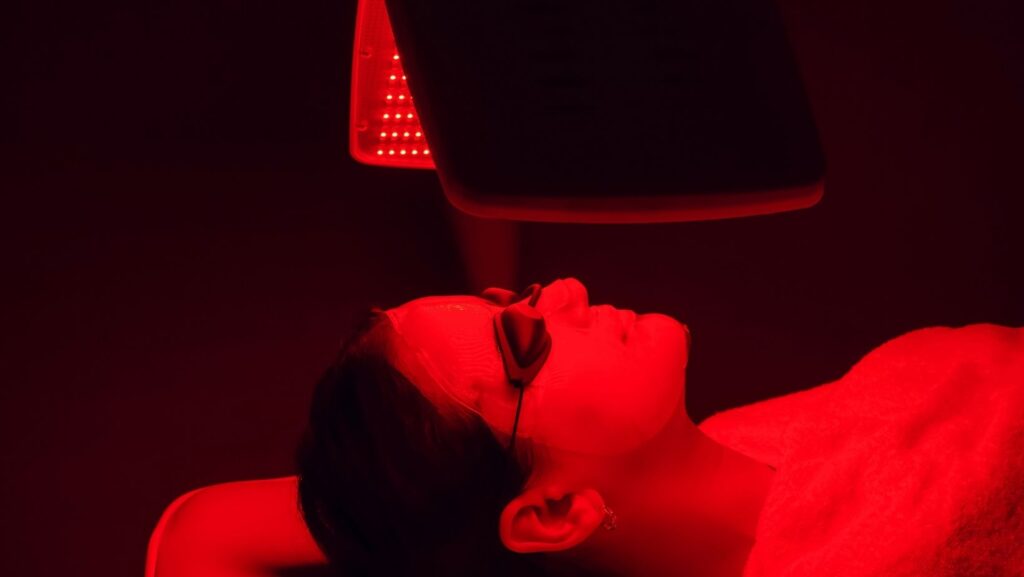
Energy use and maintenance are additional considerations. Some devices require significant power, while others operate efficiently with minimal use. Understanding how often the device will be used helps predict long-term energy costs.
Your Perfect Match for Everyday Wellness
Selecting a red light therapy device is much easier when individuals understand their goals, lifestyle needs, and expectations for long-term use. Each device offers different features that support different routines, levels of intensity, and comfort preferences.
By evaluating size, power, convenience, safety, and quality, users can choose a device that feels useful and manageable. The right choice should offer consistency, ease, and clarity so the therapy becomes a reliable part of a wellness routine. With careful consideration, individuals can find a device that aligns with their daily habits and helps them experience steady, meaningful benefits over time.

Bob Duncan is the lead writer and partner on ConversationsWithBianca.com. A passionate parent, he’s always excited to dive into the conversation about anything from parenting, food & drink, travel, to gifts & more!