
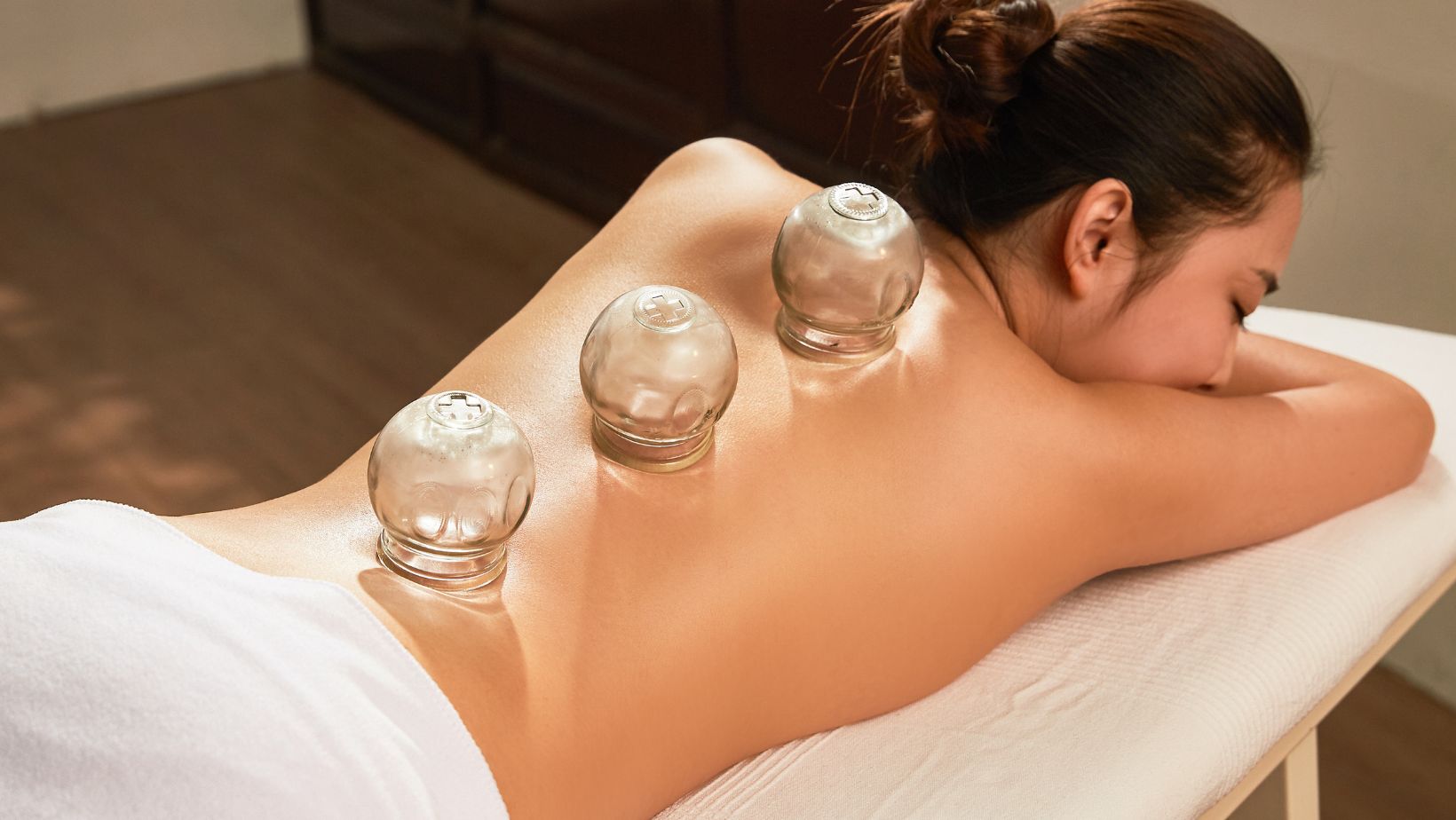
Cupping therapy has gained attention in recent years, partly due to athletes displaying circular marks on their skin during competitions. This ancient practice involves placing cups on the skin to create suction, which practitioners believe helps with pain relief, inflammation reduction, and various health concerns.
Understanding what conditions cupping addresses and how it works helps people decide whether this treatment might benefit them.
Understanding Cupping Therapy Basics
What is cupping therapy? The practice involves placing glass, bamboo, or plastic cups on specific body areas. Practitioners create suction either by heating the air inside the cup or using a mechanical pump. As air pressure decreases inside the cup, skin and superficial muscle tissue get pulled upward into the cup.
The suction creates distinctive circular marks that range from light pink to deep purple, depending on treatment intensity and individual tissue response. These marks typically fade within a few days to two weeks. Unlike bruises from injury, cupping marks result from controlled suction rather than trauma.
Two main types exist: dry cupping and wet cupping. Dry cupping involves only suction, while wet cupping includes small skin incisions before cup placement to draw out small amounts of blood. Most modern practices focus on dry cupping, which carries fewer infection risks and requires less specialized training.
What Does Cupping Therapy Do?
The proposed mechanisms behind cupping therapy involve several physiological responses. The suction increases blood flow to treated areas, which may help deliver oxygen and nutrients while removing metabolic waste products. This increased circulation could support tissue repair and reduce localized inflammation.
Practitioners also suggest that cupping affects the fascia, the connective tissue surrounding muscles and organs. The negative pressure may help release adhesions or restrictions in fascial layers, potentially improving mobility and reducing pain. Some theories propose that cupping stimulates the nervous system, triggering pain-relief responses similar to other manual therapies.
Research on these mechanisms remains ongoing. Some studies show measurable increases in local blood flow following treatment, while the effects on fascia and nervous system function need more investigation. What does cupping therapy do in practice often depends on the specific condition being treated and individual response patterns.
Common Conditions Treated With Cupping
Musculoskeletal Pain
Back pain represents one of the most frequent reasons people seek cupping treatment. The therapy targets muscles along the spine, shoulders, and lower back regions where tension accumulates. Office workers dealing with chronic upper back tightness from desk work often report temporary relief after sessions.
Neck pain and shoulder tension also respond to cupping applications. Athletic trainers sometimes use cupping massage therapy on athletes experiencing muscle soreness or restricted movement in these areas. The combination of suction and movement during cupping massage aims to release tight tissues while promoting circulation.
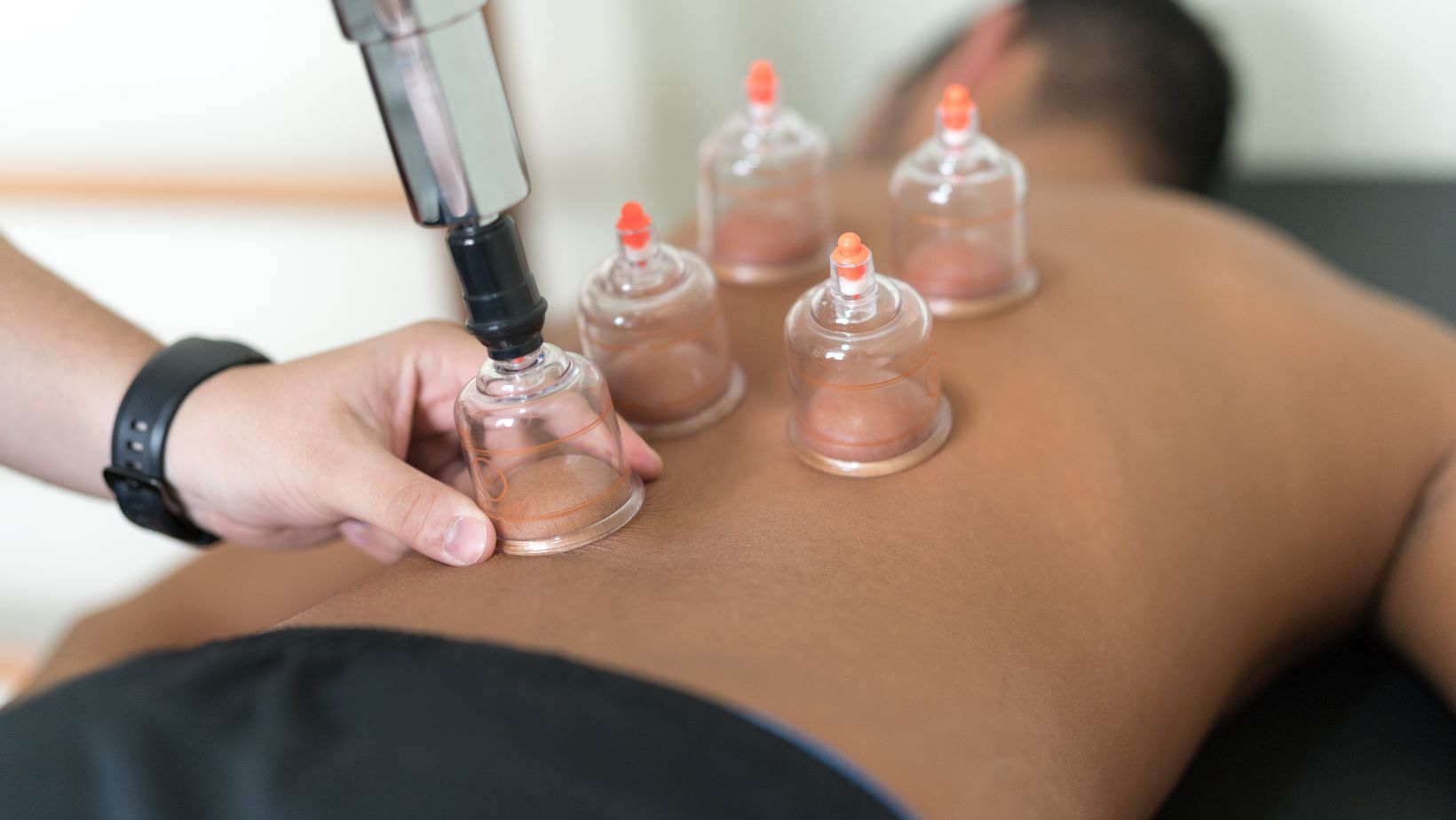
Knee pain, particularly from osteoarthritis, has been studied in relation to cupping therapy. Some research indicates short-term pain reduction, though results vary between individuals. Hip and lower limb conditions receive less attention in cupping applications but some practitioners include these areas in treatment protocols.
Respiratory Conditions
Traditional uses of cupping therapy included respiratory ailments like bronchitis, asthma, and congestion. Practitioners place cups on the upper back and chest, theoretically helping clear mucus and improve breathing capacity. Modern evidence for these applications remains limited compared to musculoskeletal uses.
People with chronic cough or recurring chest colds sometimes pursue cupping as a complementary approach alongside conventional treatments. The therapy does not replace medical management of respiratory conditions but some find it provides symptom relief during recovery periods.
Headaches and Migraines
Tension headaches may respond to cupping applied to the neck, shoulders, and upper back. The treatment targets muscle tightness that contributes to headache patterns. Some practitioners also place smaller cups along the scalp, though this requires specialized training and equipment.
Migraine sufferers occasionally report reduced frequency or intensity after regular cupping sessions, though individual responses vary significantly. The therapy works best for headaches with muscular tension components rather than those caused by other triggers like hormones or food sensitivities.
Skin Conditions
Acne treatment represents a less common but traditional application of cupping therapy. Facial cupping uses smaller cups and gentler suction than body treatments. Proponents claim it improves circulation and lymphatic drainage, potentially reducing inflammation and supporting skin health.
Eczema and other inflammatory skin conditions sometimes receive cupping treatment, though evidence supporting these uses remains scarce. Anyone considering cupping for skin concerns should consult dermatologists first, as improper technique could worsen certain conditions.
Cupping Therapy Benefits Supported by Research
Studies on cupping therapy benefits show mixed but sometimes promising results. A review of multiple trials found moderate evidence for pain reduction in chronic back pain when cupping complemented conventional treatments. The effect sizes varied, with some studies showing significant improvements while others found minimal differences from control groups.
Pain relief duration appears relatively short-term in most cases. Benefits typically last from a few days to several weeks after treatment sessions. People seeking longer-term improvements usually require regular treatments rather than single sessions.
The following benefits have some research support:
- Temporary reduction in muscle pain and stiffness, particularly in the back and neck regions
- Possible improvements in range of motion when combined with stretching or physical therapy
- Short-term relief from tension headaches related to muscle tightness
- Reduced perception of pain intensity in some chronic pain conditions
Additional claimed benefits need more rigorous study. These include improved athletic recovery, detoxification, immune system support, and digestive function improvements. While some people report these effects, controlled research has not consistently demonstrated them.
Treatment Duration and Frequency
Cupping therapy how long each session lasts depends on the condition being treated and practitioner approach. Typical sessions run 15-30 minutes, with cups remaining in place for 5-15 minutes per area. Initial treatments often use shorter durations to assess individual tolerance and response.
Treatment frequency varies based on condition severity and treatment goals. Acute pain might receive 2-3 sessions within the first week, then weekly sessions for several weeks. Chronic conditions often follow weekly or biweekly schedules for ongoing management.
A typical treatment course includes:
- Initial assessment session to identify treatment areas and establish baseline symptoms
- 4-8 weekly sessions for most musculoskeletal conditions
- Monthly maintenance sessions for chronic pain management
- Breaks between treatment courses to assess whether benefits persist
Some people notice improvements after the first session, while others require multiple treatments before experiencing changes. Practitioners recommend completing at least 3-4 sessions before deciding whether cupping provides meaningful benefits for specific concerns.
Cupping Massage Therapy Applications
Cupping massage therapy combines traditional cupping with movement techniques. Instead of leaving cups stationary, practitioners slide them across oiled skin while maintaining suction. This approach aims to release larger areas of tight tissue compared to static cupping.
Athletes use cupping massage therapy for recovery after intense training. The technique targets specific muscle groups like quadriceps, hamstrings, or back muscles that experience high training loads. Some report feeling looser and recovering faster when cupping massage is part of their routine.
Physical therapists and massage therapists sometimes incorporate cupping into broader treatment plans. The therapy addresses fascial restrictions that limit movement patterns, potentially complementing exercises and manual therapy techniques. This integrated approach may produce better results than cupping alone.
Safety Considerations and Side Effects
Most people tolerate cupping therapy well when performed by trained practitioners. The circular marks represent the most visible side effect but cause no lasting harm. These discolorations result from blood being drawn to the surface and typically resolve without intervention.
Temporary soreness at treatment sites occurs commonly, similar to post-massage tenderness. This usually subsides within a day or two. Applying ice or taking over-the-counter pain relievers helps manage discomfort if needed.
Certain groups should avoid cupping or seek medical clearance first. Pregnant women, people taking blood thinners, those with skin conditions or recent injuries, and individuals with bleeding disorders face higher risks. Burns can occur if fire cupping is performed incorrectly, though this complication is rare with modern equipment.
Practical Considerations for Treatment
Finding qualified practitioners matters for safe, effective treatment. Look for licensed acupuncturists, physical therapists, or massage therapists with specific cupping training. Ask about their experience level and which conditions they commonly treat.
Cost varies by provider and location but typically ranges from $40-80 per session. Insurance coverage remains inconsistent, with some plans covering cupping when provided by licensed healthcare professionals as part of broader treatment plans.
What is cupping therapy used for continues expanding as more practitioners adopt the technique and research examines new applications. While evidence supports certain uses better than others, many people find the therapy provides relief when conventional approaches fall short or as part of comprehensive pain management strategies.
Managing expectations helps ensure satisfaction with results. Cupping works best as one component of treatment rather than a standalone cure. Combining it with appropriate exercise, stress management, and medical care for underlying conditions produces the most consistent outcomes.

Bob Duncan is the lead writer and partner on ConversationsWithBianca.com. A passionate parent, he’s always excited to dive into the conversation about anything from parenting, food & drink, travel, to gifts & more!