

Mini dental implants are small, less invasive devices that replace missing teeth or stabilize dentures. They’re a practical alternative to traditional dental implants, especially if you have limited bone density or want a quicker, more affordable option.
Dentists in your area place these implants directly into the bone. You can use them to support single crowns, bridges, or dentures.
If you want to avoid complex surgery like bone grafting, mini dental implants might be worth considering. They work well for people who want a steady hold for dentures or need to replace smaller teeth without the long recovery times that come with standard implants.
Understanding Mini Dental Implants
Mini dental implants are small but surprisingly strong tools for replacing missing teeth or stabilizing dentures. Local emergency dentists often recommend them if you want a less invasive and quicker option compared to traditional implants.
The design, function, and materials matter a lot for how effective these implants are. Let’s break it down.
What Are Mini Dental Implants
Mini dental implants are basically smaller versions of traditional dental implants. They usually measure about 1.8 to 3.3 millimeters in diameter, so they’re thinner than regular implants.
Dentists use them to replace single teeth or to support dentures by anchoring firmly into your jawbone. Because of their size, you don’t need as much bone density or extensive surgery.
This makes them a good choice if you have less bone available or want a more straightforward procedure. They’re usually quicker to place and cost less than standard implants, which is nice if you’re on a budget.
Mini implants do a great job stabilizing loose dentures and stopping them from moving while you talk or eat. They can also replace individual teeth when traditional implants aren’t an option.
Your local dentist will check your oral health and bone structure to see if mini implants are a good fit.
How Mini Dental Implants Work
Dentists place mini dental implants directly into your jawbone where your natural tooth root used to be. The implant acts as an anchor and bonds with the bone through osseointegration.
This creates a stable base for dental crowns, bridges, or dentures. Because they’re small, the procedure is less invasive.
In many cases, your emergency dentist can place mini implants with minimal cutting or no bone grafting. That usually means faster healing and less discomfort after surgery.
Once the implant is in, an attachment or abutment connects it to the artificial tooth or denture. This gives your dentures strong support and stops them from slipping.
You’ll probably notice better chewing and more confidence when speaking or smiling.
Materials Used in Mini Dental Implants
Most mini dental implants are made from titanium or titanium alloy. Titanium is lightweight, strong, and biocompatible, so your body tends to accept it and bone grows around the implant.
The titanium core forms the base, while the abutment might be titanium or another biocompatible metal. Sometimes dentists use ceramic materials for the parts that show in your mouth, just to make them look nicer.
This mix of materials makes the implants durable. Titanium resists corrosion and, with proper care, can last for years.
Your dentist will give you tips for keeping the implants clean and healthy.
Use Cases of Mini Dental Implants
Mini dental implants fill specific needs, especially when traditional implants just aren’t a good match. They can replace single teeth, hold dentures firmly, and support partial dentures with less surgery and lower cost.
Single Tooth Replacement
If you need to replace just one missing tooth, a mini dental implant could be a great fit. These implants are smaller and less invasive, so the procedure is quicker and gentler on your gums and bone.
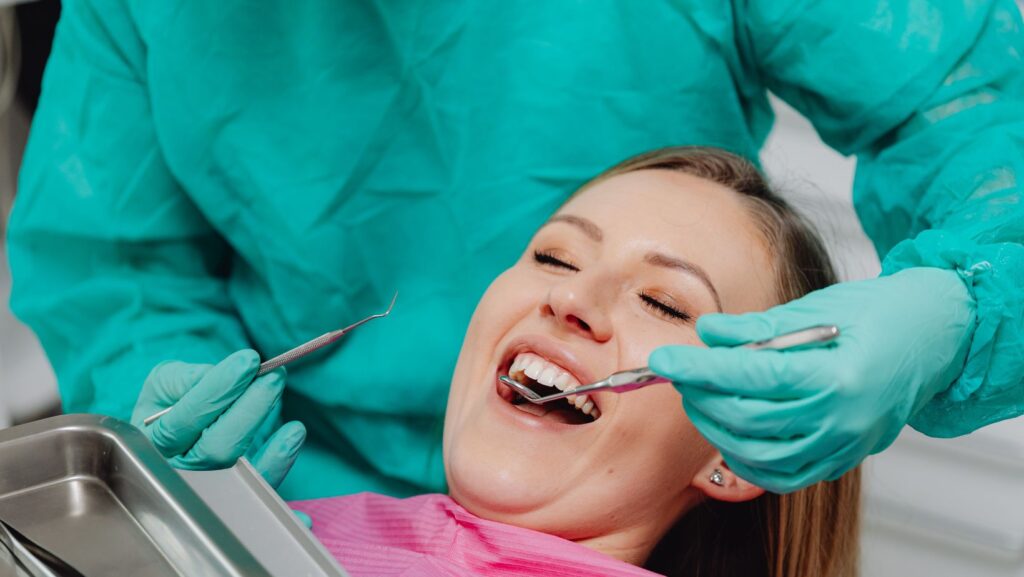
This helps if you don’t have enough bone for a standard implant or want to skip bone grafting. The implant fits right into the gap and can hold a crown securely.
It looks and works a lot like a natural tooth. Since they’re less expensive and the recovery is shorter, mini implants are often the go-to for single teeth.
Stabilizing Dentures
Loose dentures can be a real hassle. Mini dental implants can anchor your dentures and keep them from slipping.
This helps with pain, makes chewing easier, and gives you more confidence when eating or speaking. Your emergency dentist will place several mini implants in your jaw to keep the denture stable.
You usually won’t need a lot of bone buildup beforehand. The process is faster and more affordable, but you still get a stronger hold for your dentures.
Partial Denture Support
If you still have some natural teeth but need a partial denture, mini dental implants can offer strong support. They keep the partial denture in place without metal clasps that might damage nearby teeth.
Using mini implants for partial dentures makes them more comfortable and stable. The implants reduce movement, so it’s easier to eat and talk naturally.
This option is less invasive and can be done pretty quickly compared to full traditional implant work.
Benefits and Considerations
Mini dental implants come with several benefits compared to traditional implants. But, like most things, they have some limits and risks.
You’ll want to think about your own dental needs and health before jumping in.
Advantages Over Traditional Dental Implants
Mini dental implants are less invasive and usually only need local anesthesia. Dentists can place them faster than traditional implants, and the smaller size often means you can skip bone grafting.
This saves you money and shortens the overall treatment time. Most people heal faster and feel less pain after the procedure.
Mini implants can support crowns, bridges, or dentures, making them pretty versatile. Their design lets them anchor securely in places where traditional implants might not fit.
The cost is usually lower than traditional implants. That’s a big plus if you want to replace missing teeth or stabilize dentures without a lot of surgery.
Potential Risks and Limitations
Mini dental implants aren’t for everyone. Their smaller size means they might not handle heavy chewing forces very well, especially in the back of your mouth.
This can sometimes lead to implant failure. Dentists usually recommend them for patients with enough bone density, but if your jawbone is too weak or thin, mini implants might not work.
If you need to replace multiple teeth or have certain dental conditions, you might need traditional implants instead. Good care and maintenance are important.
If you don’t keep up with oral hygiene, you could increase your risk of infection or implant loosening. Your dentist will give you advice to help avoid these problems.
Suitability for Different Patients
Mini dental implants work well for people in places like New York or Los Angeles who are missing a few teeth. They’re also great if you want to secure a loose denture without a ton of hassle.
If you like the idea of a faster, simpler procedure with less surgery, these might be right for you. Some folks just don’t want a long recovery or lots of appointments.
You’re probably a good candidate if your general health is decent and you’ve got enough jawbone where the implant needs to go. But if you smoke heavily, have uncontrolled diabetes, or struggle with severe bone loss, you might run into problems.
A local dentist or emergency dentist can take a look and help you figure out if mini implants make sense for your mouth. They’ll check your bone, ask about your chewing habits, and dig into your medical history before giving you the green light.

Bob Duncan is the lead writer and partner on ConversationsWithBianca.com. A passionate parent, he’s always excited to dive into the conversation about anything from parenting, food & drink, travel, to gifts & more!