
If you’re a resident of Anna, Texas, getting ready for dental implant surgery can feel like a big step. Knowing how to prepare properly can help you avoid problems and make your recovery easier. Being well-prepared means following clear pre-surgery instructions, taking care of your oral health, and arranging any needed support after the procedure.
Understanding what to expect before and after the surgery will keep you calm and confident. From adjusting your diet to scheduling check-ups, each step helps ensure your implant surgery goes smoothly without unnecessary risks or delays.
Taking time to get ready will help your body heal properly and make the whole process less stressful. This guide will walk you through the key things to know before your dental implant in Anna, Texas.
Understanding Dental Implants
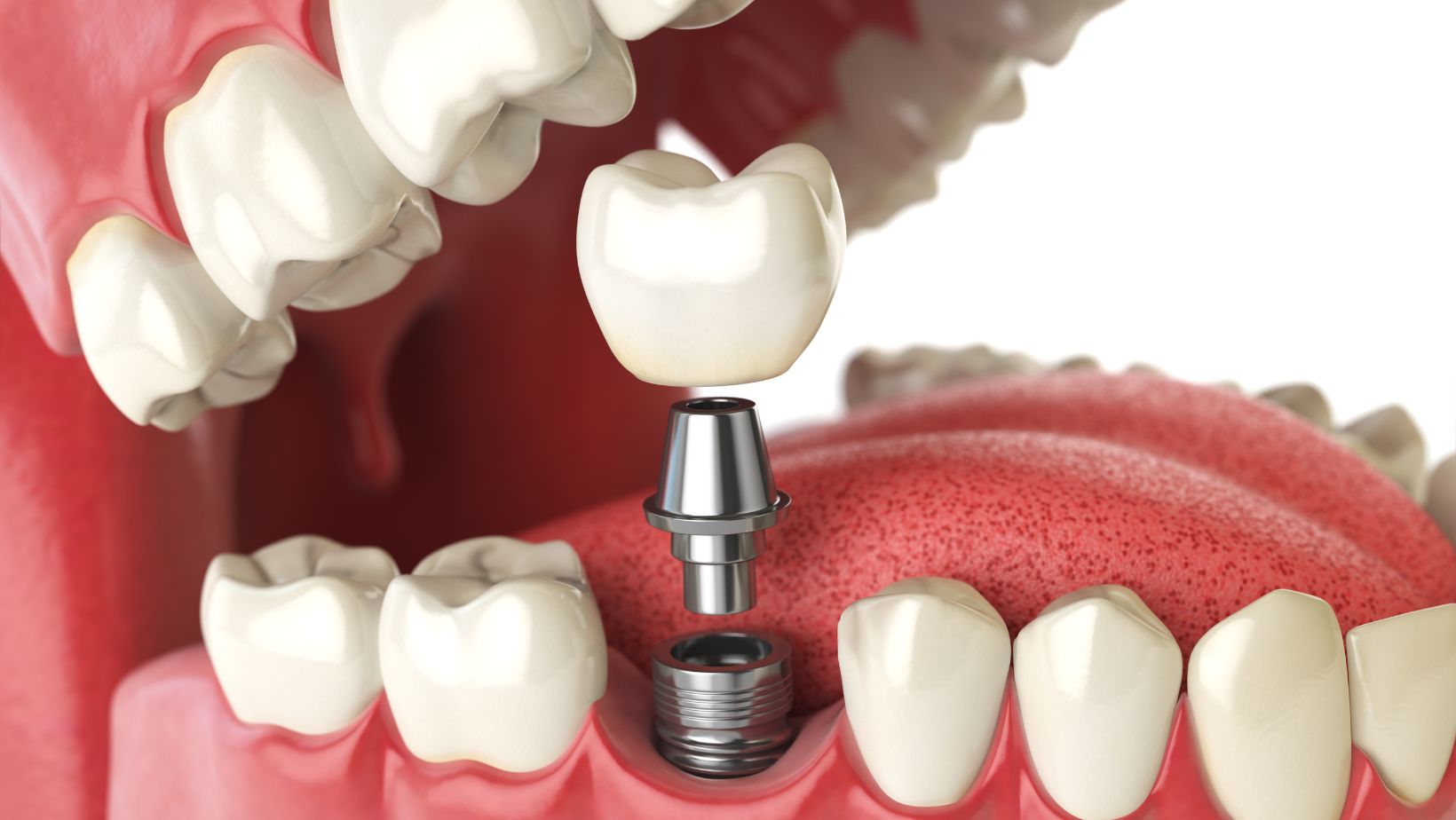
Dental implants are metal posts placed in your jawbone to replace missing teeth. They act like natural tooth roots and support crowns, bridges, or dentures. Knowing the benefits, available types, and if you qualify can help you decide if implants are right for you.
Benefits of Dental Implants for Anna Residents
Dental implants offer several advantages over other tooth replacements. They feel and function like real teeth, allowing you to eat and speak more comfortably. Unlike dentures, implants do not slip or cause sore spots.
They also help preserve your jawbone by preventing bone loss often caused by missing teeth. This maintains your facial structure and prevents a sunken look. Implants can last many years with proper care, making them a long-term solution.
Because implants are fixed in place, they don’t require altering your healthy adjacent teeth like bridges do. This means your natural teeth stay intact and strong.
Types of Dental Implants Available
You have options when it comes to dental implants, depending on your needs. The most common type is the endosteal implant, a screw-like post inserted into the jawbone. This is used for most single tooth replacements and full arches.
Another option is the subperiosteal implant, which sits on top of the jawbone but under the gums. This is less common and may be used if you have low bone height and can’t have bone grafts.
Implants can support several restorations:
- Single crowns for one missing tooth
- Bridges for multiple teeth in a row
- Implant-supported dentures for full arch replacement
Your dentist will help you choose the right type based on your jawbone, health, and budget.
Who Is a Good Candidate
Most healthy adults can get dental implants, but there are some important conditions to meet. You need enough healthy jawbone to hold the implant firmly. If bone loss has occurred, you might require a bone graft first.
Good candidates should be free from untreated gum disease and have healthy gums. Chronic conditions like diabetes or immune problems need to be well controlled before surgery.
Non-smokers have a better chance of success since smoking slows healing and raises the risk of implant failure. Your dentist will evaluate your overall health and oral condition to decide if implants are right for you.
Preparing for Dental Implant Surgery
Before your dental implant surgery in Anna, Texas, you need to take several important steps. These include a careful check of your mouth and overall health, following specific instructions from your dental team, and adjusting your habits to support healing. Proper preparation reduces risks and helps your surgery go smoothly.
Initial Consultation and Assessment
Your journey begins with an initial consultation with a dental surgeon. During this visit, your oral health will be examined thoroughly. The surgeon checks the condition of your gums, jawbone density, and the health of surrounding teeth.
You may need X-rays or 3D scans to get detailed images of your jaw. This helps the surgeon plan exactly where the implant will go. Your medical history is also reviewed to spot any conditions like diabetes or heart disease that could affect healing or surgery.
This appointment is your chance to ask questions. You will get a clear idea of what to expect, how many visits you’ll need, and the costs involved. Being honest about your habits, such as smoking or medications, is important because these factors influence surgery success.
Pre-Surgical Instructions and Guidelines
Before your surgery date, your dentist will give you specific instructions to follow. These may include fasting for several hours if sedation or general anesthesia is planned. You should avoid alcohol and certain medications like blood thinners, but only stop them if your doctor approves.
Good oral hygiene is crucial. Brush and floss your teeth carefully the night before and the morning of surgery to reduce bacteria in your mouth. Avoid smoking, as it slows healing and increases the risk of implant failure.
Make sure to arrange for a ride home if you will be sedated during the procedure. On surgery day, wear comfortable clothes and bring any prescribed medications. Having someone with you will provide support during recovery.
Lifestyle Changes Before Treatment
Certain lifestyle changes can improve your chances of a successful implant. If you smoke, quitting at least a few weeks before surgery is essential. Smoking decreases blood flow to your gums, which delays healing and raises infection risk.
Eat a balanced diet rich in vitamins C and D to help your body repair tissue and strengthen bones. Stay hydrated, but avoid caffeine and sugary drinks close to your surgery date.
If you have chronic conditions like diabetes, work closely with your doctor to keep your blood sugar under control before and after surgery. Proper health management supports better outcomes.
By making these changes and following your provider’s advice, you give your implants the best start for long-lasting success.
What to Expect During and After Surgery
Your dental implant surgery will involve several key steps from start to finish. You can expect a controlled procedure, followed by a recovery period where careful pain management and good care are important. Knowing possible risks helps you watch for issues after surgery.
Timeline of the Procedure
The surgery usually starts with local anesthesia to numb the area. Once you’re comfortable, your dentist will make a small cut in your gum to expose the bone. Then, a hole is drilled carefully to place the implant screw, which acts as a new tooth root. This step takes about 30 to 60 minutes per implant.
After placing the implant, your dentist may close the gum with stitches. Sometimes, a healing cap is used so the gum can heal while keeping the implant protected. The initial healing takes a few weeks. During this time, the implant fuses to your bone in a process called osseointegration, which can last 3 to 6 months before your new tooth is attached.
Pain Management and Recovery Tips
You will likely feel some swelling, bruising, and mild discomfort after surgery. Over-the-counter pain relievers like ibuprofen can usually control the pain. Your dentist may also prescribe stronger medications if needed.
To reduce swelling, apply an ice pack to your cheek for 15 minutes at a time during the first 24 hours. Stick to soft foods like yogurt, mashed potatoes, and soup for a few days. Avoid hot drinks and hard or crunchy foods that could irritate the surgery site.
Keep the area clean, but do not brush or rinse vigorously the day of surgery. Starting the next day, gently rinse with saltwater to help healing. Follow all aftercare instructions carefully to prevent infection or complications.
Potential Risks and Complications
While dental implant surgery is generally safe, some risks exist. Infection at the implant site is possible and may cause swelling, pain, or a bad taste in your mouth. You should contact your dentist immediately if you notice a fever or unusual symptoms.
Other risks include damage to nearby teeth or nerves, which might cause numbness or tingling, usually temporary but sometimes longer-lasting. In rare cases, the implant may not fuse properly with the bone, leading to implant failure.
Smoking, poor oral hygiene, or medical conditions like diabetes can increase these risks. It is important to follow all care guidelines and attend follow-up appointments to ensure the best outcome.
Choosing a Dental Professional in Anna, Texas
Finding the right dental professional is key to a successful dental implant surgery. You want someone with proper training, experience, and a clear plan that fits your needs. Knowing what to look for can save you time, money, and prevent future problems.
Evaluating Credentials and Experience
Start by checking if the dentist has specialized training in dental implant surgery. Look for certifications beyond dental school, such as courses or residencies focused on implant placement and restoration. Dentists who have extensive practice with implants usually have better results.

Consider how long the dentist has been doing implant surgeries, and ask if they handle cases like yours. A dentist in Anna with years of experience and positive patient reviews is more likely to meet your expectations. Avoid providers who offer very low-cost implants without explaining their training or materials used, as this can lead to poor outcomes.
Questions to Ask Your Implant Specialist
Prepare a list of questions before your appointment. Important questions include:
- How many implant surgeries have you performed?
- What types of implants do you use, and why?
- What technology do you use during the procedure?
- Can you show before-and-after photos of past patients?
- What are the risks or complications I should expect?
Asking these questions will help you understand the dentist’s approach and feel confident about your choice. A reliable professional will answer honestly and clearly, making sure you fully understand the process before moving forward.

Bob Duncan is the lead writer and partner on ConversationsWithBianca.com. A passionate parent, he’s always excited to dive into the conversation about anything from parenting, food & drink, travel, to gifts & more!