
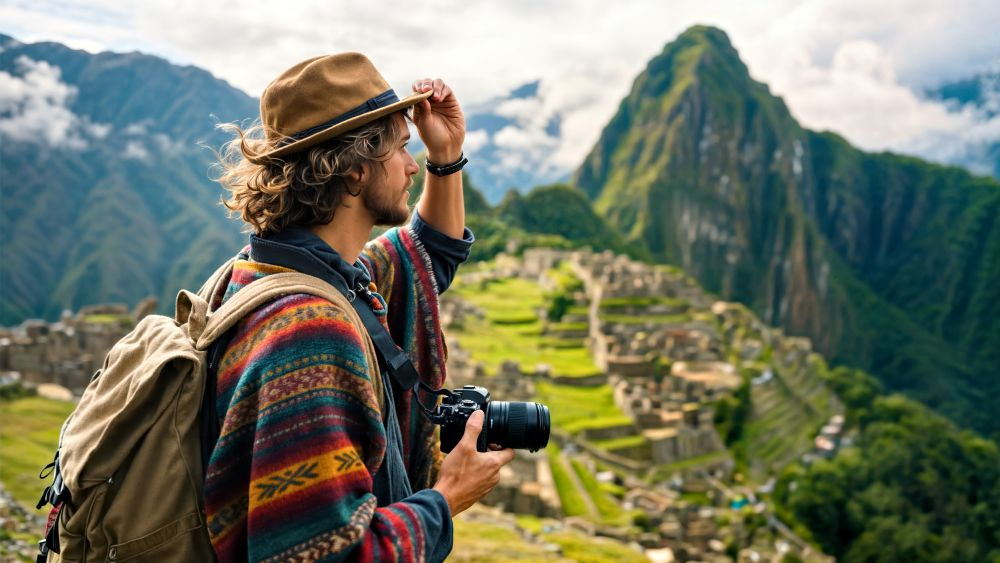
Thinking about trekking to Machu Picchu as a teen? It’s one of those adventures that sounds exciting and a little scary at the same time. You’ll enjoy epic views, ancient ruins, and stories that will stay with you for a lifetime. But you also face long walks, steep paths, and thin mountain air.
High altitude can be disorienting if you’re not prepared for it. Breathing could feel harder, your legs may tire faster, and even simple steps can take more effort. The good news is that with the right mindset and a bit of planning, teens can handle it well and enjoy every moment of the journey.
Here’s everything you need to know to stay strong and enjoy the journey:
Understand How High Altitude Affects Your Body
High altitude changes how your body functions. There’s less oxygen in the air as you climb higher. This makes breathing feel much harder than it does at home. You may experience a headache or feel extremely tired during the first few days. Some people even feel a bit sick to their stomach. These are just signs that your body is working hard to adjust to the new height.
The secret is to listen to your body. Pay attention to how you feel each day and don’t push yourself too hard. Many trips go through the Sacred Valley first. This is helpful because the climb is slow. It gives your body plenty of time to get used to the air before you reach the highest points near Machu Picchu.
Most travelers begin their journey in Cusco, the local mountain city. This city is actually higher up than the trail ends. To plan your trip the right way, you should answer this question: What is the elevation of Cusco Peru? Knowing this number will help you understand how your body might react to the change before you even arrive.
Choose a Trek That Matches Your Comfort Level
Each trek route to Machu Picchu offers a different mix of scenery, hiking distance, and altitude changes. Choosing one that fits your comfort level can make the entire experience feel more enjoyable and less stressful.
Here are some of the options:
- Inca Trail: This is the most well-known route, following paths once used by the Inca Empire. It passes through several Incan ruins and ends with an entrance through the Sun Gate. The trail has a set schedule and requires a tour guide, which some teens find reassuring.
- Salkantay Trek: This route takes you through dramatic landscapes in the Andes mountains, including high passes near an Andean peak. The views feel wide and open, but the altitude is higher in some sections. It can feel more challenging, especially on colder mornings.
- Inca Jungle Trail: This option mixes hiking with other outdoor activities. It moves through warmer areas, such as the cloud forest. The pace feels more relaxed, but the days are still very active. You’ll need more energy for this one.
- Lares Trek: This route is known for its serene atmosphere. It passes remote villages and natural hot springs. It feels less crowded than other paths. You get to see more of the local culture on this trail.
All of these paths lead toward Machu Picchu. Think about how many days you want to hike and how you feel about long climbs before deciding.
Arrive Early to Adjust to Altitude
Spending a few days in the Cusco region before your trek can make a big difference. This time allows your body to adjust to the elevation before you start your journey to this World Heritage Site. Light walks, rest days, and short outings can help ease the transition.
Many travelers stay near the Sacred Valley of the Incas during this period. The lower elevation compared to Cusco makes it a good place to rest while still exploring the area. Taking this step can help you feel stronger once the trek begins.
Eat, Drink, and Rest With Purpose
When you’re high in the mountains, small habits make a big difference. You should drink water often throughout the day. This helps your body adapt to the thin air and reduces the likelihood of headaches. Eating simple meals and carrying small trail snacks will also keep your energy high during long climbs.
Rest is just as important as walking. Don’t be afraid to take short breaks or move at a slow pace. Taking time to breathe helps your muscles recover, so you don’t feel worn out by the afternoon. These simple steps will make the long hike feel much easier. You’ll have more energy to enjoy the view when you finally reach the ruins.
Pack Gear That Supports Long Hiking Days
Comfort is crucial when hiking in the mountains. Good hiking boots will protect your feet on uneven stone paths and steep hills. It is also smart to wear layers of clothes. The temperature can change quickly when the sun goes behind a cloud or as you climb to higher altitudes.
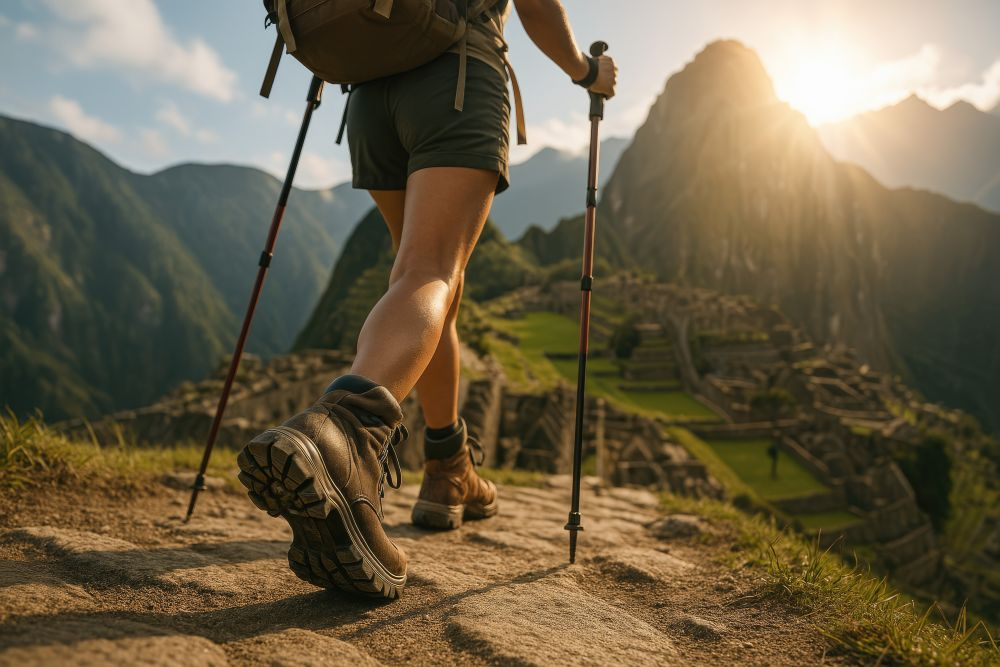
A light rain jacket is helpful for sudden changes in the weather. Even during the dry season from April to October, it can rain without warning. Some teens even use hiking poles to help with balance on downhill paths. Others prefer to hike without them.
The most important thing is to have essential gear that feels comfortable before your trek starts. Be sure to wear your boots at home many times so they’re broken in before the trip.
Conclusion
Trekking to Machu Picchu is a huge achievement. It’ll test your strength and give you views you’ll never forget. High altitude is a challenge, but you can handle it if you prepare.
Just remember to listen to your body and take your time. If you drink enough water and wear the right gear, you’ll do great. All the hard work will feel worth it when you finally see the ruins!

Bob Duncan is the lead writer and partner on ConversationsWithBianca.com. A passionate parent, he’s always excited to dive into the conversation about anything from parenting, food & drink, travel, to gifts & more!