

Stainless steel bakeware represents a significant investment in kitchen utility and durability. Unlike non-stick or glass alternatives, stainless steel offers unparalleled strength, even heating, and a lifetime of service when properly cared for. However, to unlock its full potential and avoid common frustrations, bakers must understand its unique characteristics.
This guide details the essential steps for preparing, using, cleaning, and maintaining stainless steel baking sheets, cake pans, and other forms to ensure baking success every time.
Understanding the Material: Why Preparation is Key
Pure stainless steel, while exceptionally resilient and non-reactive, isn’t naturally non-stick. Its surface is slightly porous, which can lead to food adhesion if the pan is not treated correctly before use. This property is the primary reason newcomers to stainless steel bakeware sometimes experience sticking. The metal also conducts heat efficiently, but it can develop hot spots.
This is why selecting high-quality pieces is essential. For instance, premium stainless steel loaf pans leverage a toxin-free cooking surface and excellent heat distribution through a clad aluminum core, effectively mitigating hot spots and ensuring even baking. Recognizing these inherent traits and the importance of construction is the first step toward effective use.
The Critical Step: Proper Preparation and Seasoning
Contrary to popular belief, stainless steel bakeware benefits greatly from a seasoning process, similar to cast iron, though less intensive. This initial preparation can create a protective layer that enhances non-stick properties. Bakers can begin by washing the new pan thoroughly with warm, soapy water to remove any manufacturing residues and dry it completely.
Next, using a paper towel, it’s important to apply a thin, even coat of a neutral oil with a high smoke point, such as canola, grapeseed, or vegetable oil, to the entire interior surface. Bakers should also place the oiled pan in a cold oven and heat it to 350°F (175°C) and bake it for approximately one hour, then turn off the oven and allow the pan to cool inside completely. This process polymerizes the oil, bonding it to the metal. While not a foolproof non-stick barrier, this seasoned layer can significantly reduce sticking and simplify cleanup. Repeating this process periodically can help maintain the pan’s performance.
Baking Techniques for Optimal Results
Even with a seasoned pan, employing smart baking techniques is crucial. Generously greasing the pan with butter, oil, or baking spray immediately before adding batter or dough is non-negotiable. For extra insurance, especially with delicate cakes or quick breads, lining the pan with parchment paper is highly recommended. Parchment can create a guaranteed release and is invaluable for items like brownies or bars.
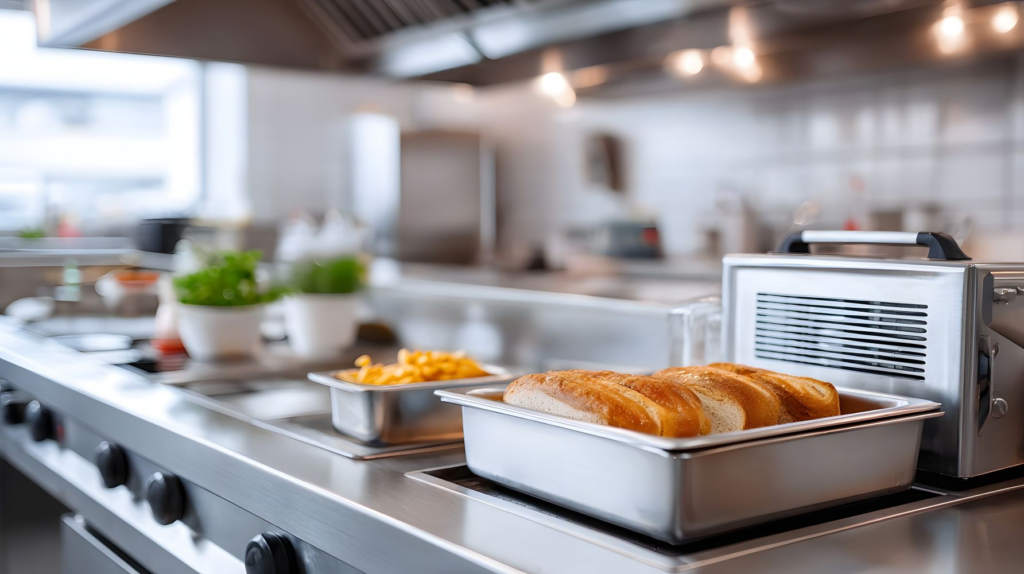
Temperature management is another vital factor. Allowing baked goods to cool in the pan for the time specified in a recipe is important, as items typically release themselves as they contract slightly upon cooling. Attempting to remove a cake or loaf while it’s piping hot will almost certainly result in breakage. After the initial cooling period, a gentle shake or a pass of a thin silicone spatula around the edges should facilitate easy removal.
Cleaning and Maintenance Protocols
Proper cleaning can preserve the pan’s seasoning and pristine appearance. Bakers should avoid abrasive scouring pads or harsh powdered cleansers, as they can scratch the surface and strip the seasoned layer. Instead, they should allow the pan to soak in warm, soapy water to loosen any baked-on residues. A nylon brush or non-abrasive sponge is typically sufficient for cleaning. For stubborn spots, a paste made from baking soda and water can be applied, left to sit, and then gently scrubbed.
It’s also imperative to avoid the dishwasher, despite stainless steel’s sturdy reputation. The prolonged exposure to harsh detergents and extremely high heat can degrade the seasoned coating and may cause discoloration or water spotting. Hand washing can ensure the longevity of both the pan’s finish and its performance-enhancing patina. After washing, it’s important to always dry the pan thoroughly with a towel to prevent water spots and potential corrosion, although high-quality stainless steel is highly resistant to rust.
Addressing Common Challenges
Even with best practices in baking, occasional sticking or discoloration may occur. If a layer of food becomes carbonized and stuck, simmering a mixture of water and a few tablespoons of white vinegar in the pan for 5-10 minutes can lift the residue. For discoloration or mineral deposits from hard water, a wipe with a cloth dampened with undiluted white vinegar will often restore the shine.
Another common concern is the development of rainbow-like patterns on the steel surface, known as heat tints. This is a harmless oxidation layer caused by high heat and doesn’t affect performance. If desired for aesthetic reasons, it can be removed with a dedicated stainless-steel cleaner or a paste of baking soda and water.
Long-Term Storage and Care
Store stainless steel kitchen tools like sheet pans and loaf pans in a dry environment to preserve their material integrity. Nesting pans together can lead to scratches as placing a soft paper towel or felt liner between them offers essential protection. Inspecting all pans periodically for any signs of damage is wise, although quality stainless steel bakeware is designed to last for decades.
With consistent care, these pans become more reliable over time, developing a superior cooking surface through repeated use and proper maintenance. Their exceptional heat retention ensures consistent results under various baking conditions, ultimately enhancing the overall baking experience.
Key Takeaway
Mastering stainless steel bakeware requires a shift from the “set-it-and-forget-it” approach to some non-stick surfaces. By keeping the information mentioned above in mind, bakers can invest in exceptional bakeware that delivers even browning, robust construction, and unmatched longevity, making it a cornerstone of any well-equipped kitchen.

Bob Duncan is the lead writer and partner on ConversationsWithBianca.com. A passionate parent, he’s always excited to dive into the conversation about anything from parenting, food & drink, travel, to gifts & more!