
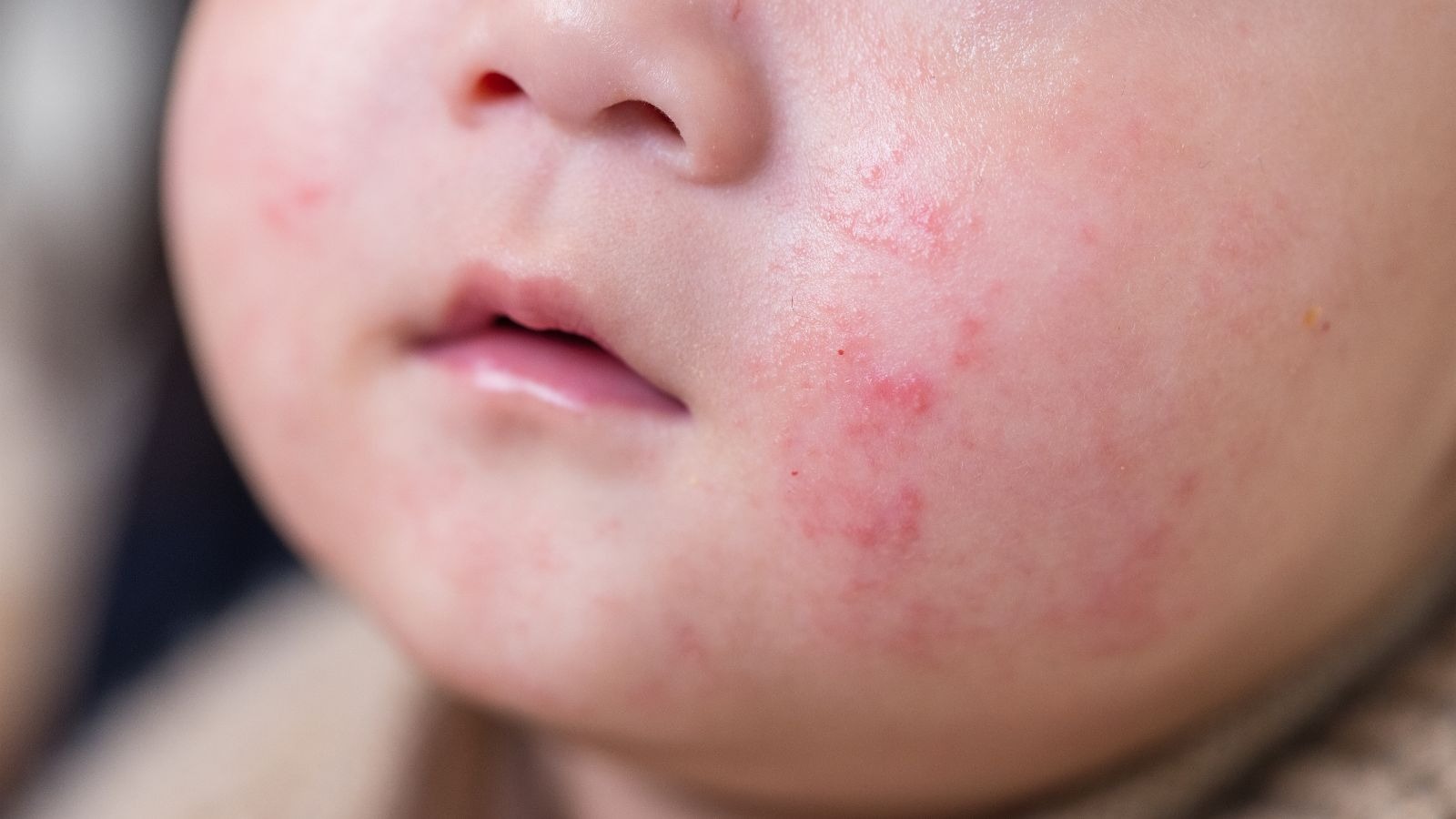
Eczema is a common skin condition in children, often appearing as red, itchy, and inflamed patches on the skin. For parents, seeing a child struggle with constant discomfort can be distressing. Understanding what triggers eczema flare-ups is a crucial step in helping your child handle the condition and improving their quality of life. Keep reading to find out everything you need to know.
Identifying Common Eczema Triggers
Eczema triggers can vary widely from child to child, making it important to observe patterns carefully. One of the most common triggers is irritation caused by clothing. Rough fabrics such as wool or synthetic materials can rub against sensitive skin, causing inflammation. Choosing soft, breathable fabrics can make a significant difference. Products designed specifically for sensitive skin, like eczema clothing for babies and children, are tailored to reduce friction and irritation, helping to prevent flare-ups.
Environmental factors are another frequent cause of eczema. Changes in temperature, dry air, or exposure to allergens like pollen, dust mites, and pet dander can aggravate symptoms. Maintaining a consistent, comfortable environment at home, with the use of humidifiers during dry months, can help reduce these triggers.
Food can also play a role in eczema flare-ups, particularly in children with food sensitivities or allergies. Common culprits include dairy, eggs, nuts, and gluten. However, it’s important not to make dietary changes without consulting a healthcare professional, as unnecessary restrictions can affect a child’s nutrition. Keeping a detailed diary of foods consumed and any resulting reactions can help identify potential triggers.
The Role of Skincare Products
Many skincare products contain fragrances, dyes, or chemicals that can irritate sensitive skin. Parents should opt for gentle, fragrance-free cleansers and moisturizers specifically formulated for eczema-prone skin. Regular moisturizing is particularly important, as keeping the skin hydrated can prevent dryness and reduce the severity of flare-ups. Applying moisturizer immediately after bathing locks in moisture and helps maintain the skin barrier.
Managing Stress and Irritants
Interestingly, emotional stress can also exacerbate eczema in children. Even though young children may not be able to articulate stress, changes in routine or anxiety can impact their skin health. Encouraging relaxation, consistent routines, and stress-reducing activities can support overall well-being and may help reduce flare-ups.
Additionally, avoiding exposure to irritants such as harsh soaps, detergents, and chlorinated water is essential. Washing new clothes before wearing and using mild, hypoallergenic laundry detergents can prevent unnecessary irritation.
Tracking and Working with Professionals
A practical way to manage eczema is to track symptoms, triggers, and responses to treatments. This can help parents and healthcare providers develop an effective management plan tailored to the child’s needs. Dermatologists or pediatricians can offer advice on topical treatments, dietary guidance, and lifestyle adjustments to help control flare-ups.
Understanding eczema triggers is not always straightforward, but careful observation and proactive management can make a substantial difference in a child’s comfort and confidence. By selecting appropriate clothing, managing the environment, and using gentle skincare, parents can take meaningful steps to support their child’s skin health and overall quality of life.

Bob Duncan is the lead writer and partner on ConversationsWithBianca.com. A passionate parent, he’s always excited to dive into the conversation about anything from parenting, food & drink, travel, to gifts & more!