
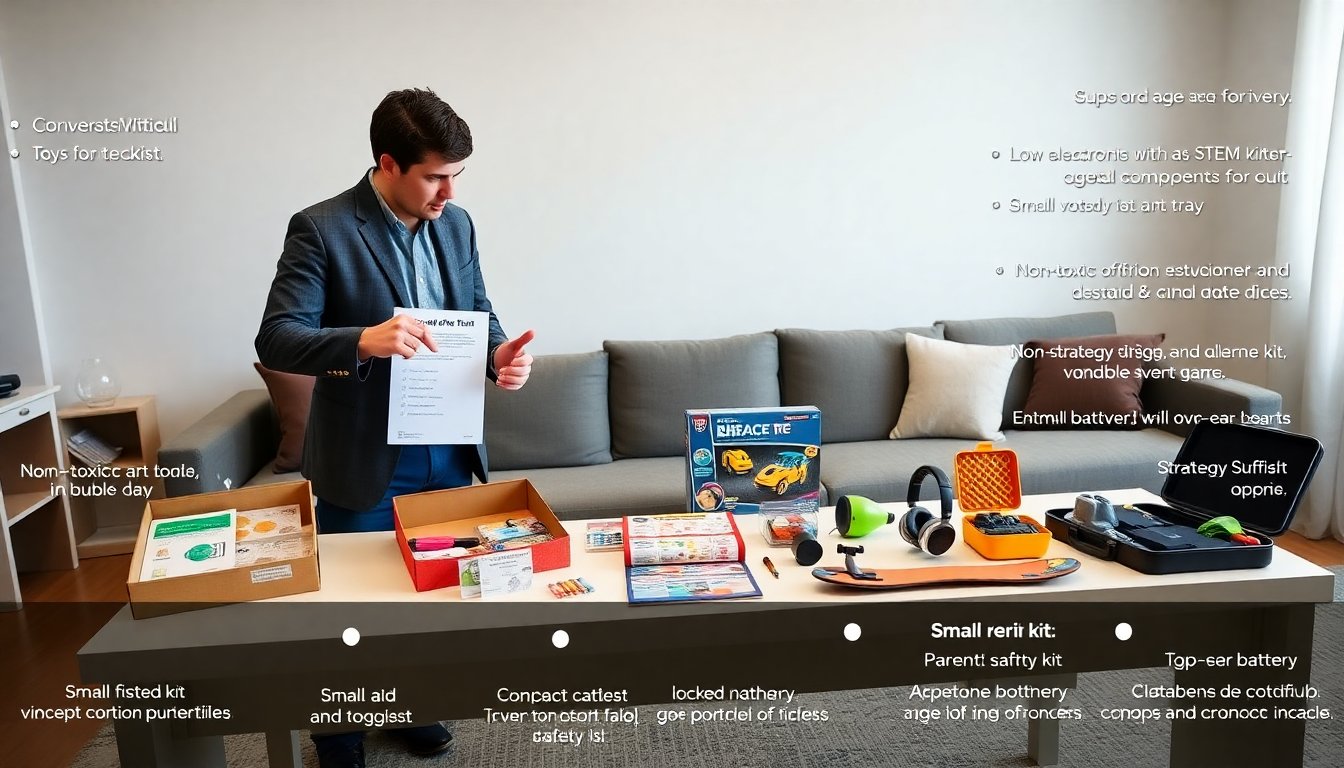
cwbiancaparenting toys for teens from conversationswithbianca appears in many family searches. The guide lists safe, engaging toy ideas for teens. It shows how parents pick toys that match age, interest, and safety. It sets clear steps for assessment, supervision, and choice. The guide keeps language simple and action focused for quick use.
Key Takeaways
- cwbiancaparenting toys for teens promote skill growth, social play, and mental health, making thoughtful toy selection essential for teen development.
- Parents should prioritize age-appropriate, safe toys by checking labels, manufacturer data, and avoiding items with choking hazards or unsafe materials.
- Evaluating maturity over age helps parents set boundaries and model safe toy use, extending toy life and reducing risks.
- Top recommended toy categories include STEM kits, creative arts, board games, physical activity toys, and tech gear, each supporting skill building and safety.
- Regular toy condition checks and rotating toys keep teens engaged and help maintain toy safety and longevity.
- Involving teens in the toy selection process encourages responsibility and ensures toys match their interests, reducing returns and promoting shared care.
Why Toys For Teens Matter: Benefits, Safety, And The Parent’s Role
Parents read cwbiancaparenting toys for teens from conversationswithbianca to find items that fit teen needs. The guide explains three core benefits. First, toys promote skill growth. Teenagers practice problem solving, fine motor control, and creative thinking with the right items. Second, toys support social play. Teens use games and kits to build peer bonds and to share interests. Third, toys boost mental health. Play reduces stress and gives teens a safe outlet for expression.
The guide stresses safety. It lists age recommendations and material warnings. Parents learn to check labels for choking hazards, toxic finishes, and small detachable parts. The guide advises adults to read manufacturer safety data and to look for third-party testing marks. It also highlights battery safety and cord hazards for electronic toys.
The guide defines the parent’s role in three clear actions. First, parents evaluate maturity, not just age. Teens vary in responsibility. Second, parents set boundaries. They set use limits for screen-based toys and establish shared charging and storage rules. Third, parents model safe use. Parents show how to handle fragile parts and how to follow instructions. These steps help extend toy life and reduce risk.
The guide also recommends ongoing review. Parents check condition monthly and retire items that break or show wear. cwbiancaparenting toys for teens from conversationswithbianca repeats this point to emphasize simple, regular checks.
Top Toy Categories Recommended By ConversationsWithBianca
ConversationsWithBianca lists categories that fit common teen interests. The guide groups items into five practical categories. Each category aligns with skill building and safety.
STEM kits. These kits teach coding, electronics, and engineering basics. Teens build circuits and prototypes. Parents choose kits with clear instructions and safe voltage limits. The guide suggests kits that use low-voltage batteries and enclosed wiring.
Creative arts. These sets include advanced drawing tools, model kits, and DIY crafts. Teens explore style and technique. Parents prefer non-toxic paints and sealants. The guide notes that ventilated workspaces and protective gear improve safety.
Board and card games. These games promote strategy and social skills. Games range from party titles to competitive strategy. Parents choose games with clear rules and durable components.
Physical activity toys. These include sports gear, balance boards, and outdoor adventure kits. Teens gain fitness and coordination. Parents check weight limits and material strength before purchase.
Tech and audio gear. This group covers headphones, beginner DJ sets, and entry-level cameras. Teens learn media skills and content creation. Parents pick gear with volume limits and sturdy cases.
The guide lists examples within each category. It names specific play styles and price tiers. cwbiancaparenting toys for teens from conversationswithbianca highlights budget-friendly options and premium picks. The guide frames each pick with a short safety note and an age suggestion.
The guide also cautions against certain items. It warns about toys that require adult-only tools or that need constant supervision. It flags items with exposed sharp edges and inexpensive electronics without certification. Parents should avoid these risks.
Finally, the guide recommends rotation. Rotating toys keeps interest high and reduces clutter. Parents can store off-season items and reintroduce them later. The guide shows how rotation extends both interest and toy lifespan.
How To Choose Age‑Appropriate, Safe, And Meaningful Toys
Parents follow a short checklist to choose. Step one: read the label. The item should list a recommended age and safety notes. Step two: match interest. The parent matches the toy to the teen’s hobby or curiosity. Step three: assess durability. The parent inspects materials and seam strength.
The guide gives clear test steps to try before purchase. Ask the teen to read a product description aloud. Check if the teen shows steady focus for ten minutes on a sample activity. Test small moving parts for secure attachment. The guide repeats that these checks lower return rates and increase satisfaction.
The guide lists safety tools at home. Parents keep a first-aid kit, a small repair kit for common breaks, and a secure storage box for batteries and chargers. Parents teach teens to report broken parts and to stop using damaged items.
The guide promotes shared decision making. It recommends that parents involve teens in research and in choosing accessories. Shared choices improve responsibility and care for the items. It also cuts surprise returns and helps the parent set fair rules.
The guide closes this section with a short purchasing rule. Buy one main item and one low-cost accessory. This approach spreads spending and tests interest. cwbiancaparenting toys for teens from conversationswithbianca repeats this rule to encourage practical, measured buying.

Bianca Johnson’s story begins with a strong enthusiasm for writing and motherhood. This passion drove her to launch the blog, Conversations with Bianca. Its purpose is to aid mothers in tackling their daily struggles. Bianca’s personal experiences, along with her love for raising children, inspired her to build a supportive community for parents.
As a mom of two, Bianca knows how hard parenting can be. On her blog, she gives advice on how to combine work and family duties with ease. The hope is that parents can find ways to manage their lives correctly, and still have time to enjoy raising their children. Conversations with Bianca aims to assist modern moms in preserving their autonomy while taking care of their families.