
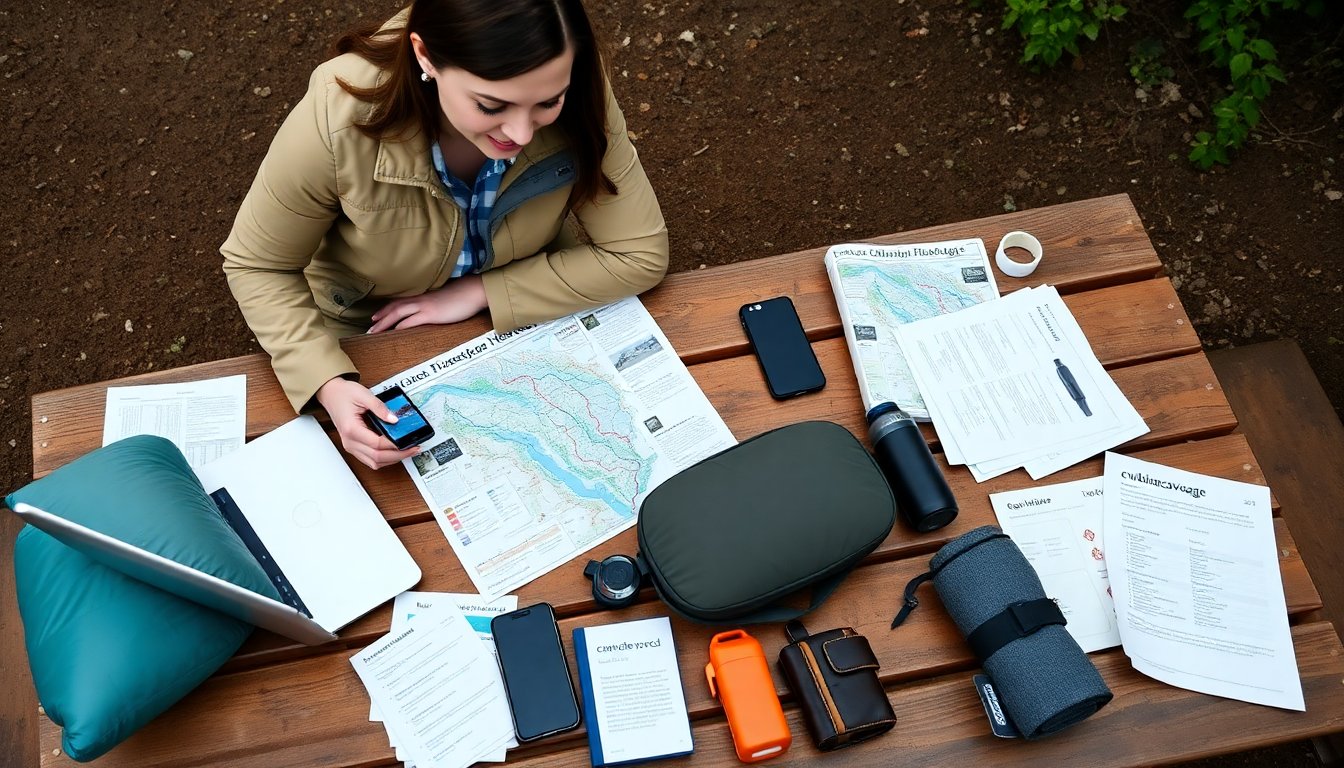
backpacking tips cwbiancavoyage from conversationswithbianca appear as practical, tested advice for modern travelers. The guide lists concrete steps. It sets clear goals. It shows how to plan routes, pack light, stay safe, handle money, and respect communities. The voice comes from cwbiancavoyage and it relies on real trip experience. Readers get direct actions they can use on their next trip.
Key Takeaways
- Backpacking tips from cwbiancavoyage emphasize planning smart routes, timing, and goals to reduce travel stress and increase flexibility.
- Pack light by choosing multipurpose gear, quick-dry fabrics, and carrying only essentials to travel farther comfortably.
- Implement daily routines on the trail like starting early, pacing well, choosing durable campsites, and practicing minimal impact for safety and respect.
- Carry reliable navigation tools and emergency supplies while maintaining good health habits such as water treatment and blister prevention.
- Manage money and documents securely using multiple payment methods and encrypted cloud storage, and stay connected with local SIMs or international plans.
- Travel responsibly by following Leave No Trace principles, respecting local cultures, supporting local businesses, and using reusable items.
Plan Smart Before You Go: Route, Timing, and Goals
Planning starts with a clear goal. She defines daily distance, must-see spots, and rest days. She chooses seasons that match skill and comfort. She checks local holidays and weather reports. She sets a flexible route and marks bailout points. She books first and last nights to reduce travel stress. She uses local forums and conversationswithbianca latest posts to vet trail conditions. She adds buffer days for delays. She shares itinerary copies with a trusted contact. She keeps plans simple and testable.
Pack Light, Travel Far: Essentials Every Backpacker Needs
She limits gear to what she will use daily. She balances weight and utility. She packs a lightweight sleeping system, a compact stove, water treatment, and a first-aid kit. She carries quick-dry clothes and a rain shell. She keeps documents and money in a secure, accessible pocket. She adds repair tape, a multi-tool, and a headlamp. She scans important documents and stores them in cloud storage. She prefers items that serve more than one purpose. She revisits gear list before each trip to remove unused items.
Packing Strategy: Layering, Fabrics, And Multipurpose Gear
She chooses fabrics that dry fast and resist odor. She builds outfits with a base layer, an insulating layer, and a weather shell. She wears layers on the trail and stows extra layers in her pack. She uses clothing that doubles as sleepwear and camp wear. She picks shoes for the terrain and carries one lighter backup. She rolls clothes to save space. She uses compression sacks for bulky items. She keeps frequently used items in top pockets for quick access.
On The Trail: Daily Routines, Campsite Choices, And Safety Habits
She starts early to avoid heat and crowds. She sets a steady pace and schedules short breaks. She reads terrain and adjusts plans when needed. She chooses campsites that sit on durable ground and lie away from water to limit impact. She tests water access and shelter options before nightfall. She secures food from animals by using hang bags or bear canisters. She keeps a low profile at campsites to respect other travelers. She practices minimal noise and clean cooking habits. She inspects weather each evening.
Navigation, Health, And Emergency Prep
She carries a map, compass, and a charged GPS device. She downloads offline maps and stores extra batteries. She recognizes key trail markers and cross-checks position hourly. She treats water and eats balanced meals to maintain energy. She uses blister prevention and checks feet daily. She carries a compact first-aid kit and knows how to use each item. She leaves detailed route notes with a contact and registers plans where required. She adds an emergency beacon or local SIM with data for remote areas. She rehearses simple emergency actions before the trip.
Money, Documents, And Staying Connected Abroad
She secures multiple payment methods and keeps small cash for local fares. She notifies banks before travel and sets spending alerts. She stores scanned IDs and passports in encrypted cloud folders. She uses a slim travel wallet that fits under clothing. She buys a local SIM or an international plan to reduce roaming costs. She carries a portable charger and a small solar panel when power is scarce. She checks embassy contacts and local emergency numbers before arrival. She respects local phone usage norms and keeps calls brief in public spaces.
Travel Responsibly: Sustainable Choices And Respecting Local Culture
She prefers reusable items to reduce waste. She follows Leave No Trace rules for camps and trails. She pays fair prices for local services and tips where appropriate. She learns basic phrases in the local language to show respect. She follows dress norms and asks before photographing people. She avoids environmentally harmful products and disposes of waste in proper facilities. She supports local guides and small businesses to keep money in the community. She treats cultural sites with care and follows posted rules.