
Two men walk into an insurance office. Same age. Same city. Same plan. One gets quoted eight thousand rupees a year. The other gets quoted eleven thousand.
Nothing looks different on the surface. But the insurer saw something that the applicants did not think about. Their BMI.
What BMI Is and Why It Comes Up in Insurance
BMI stands for Body Mass Index. It is a number derived from height and weight. Divide weight in kilograms by the square of height in metres and the result is the BMI.
That number gets placed into a category.
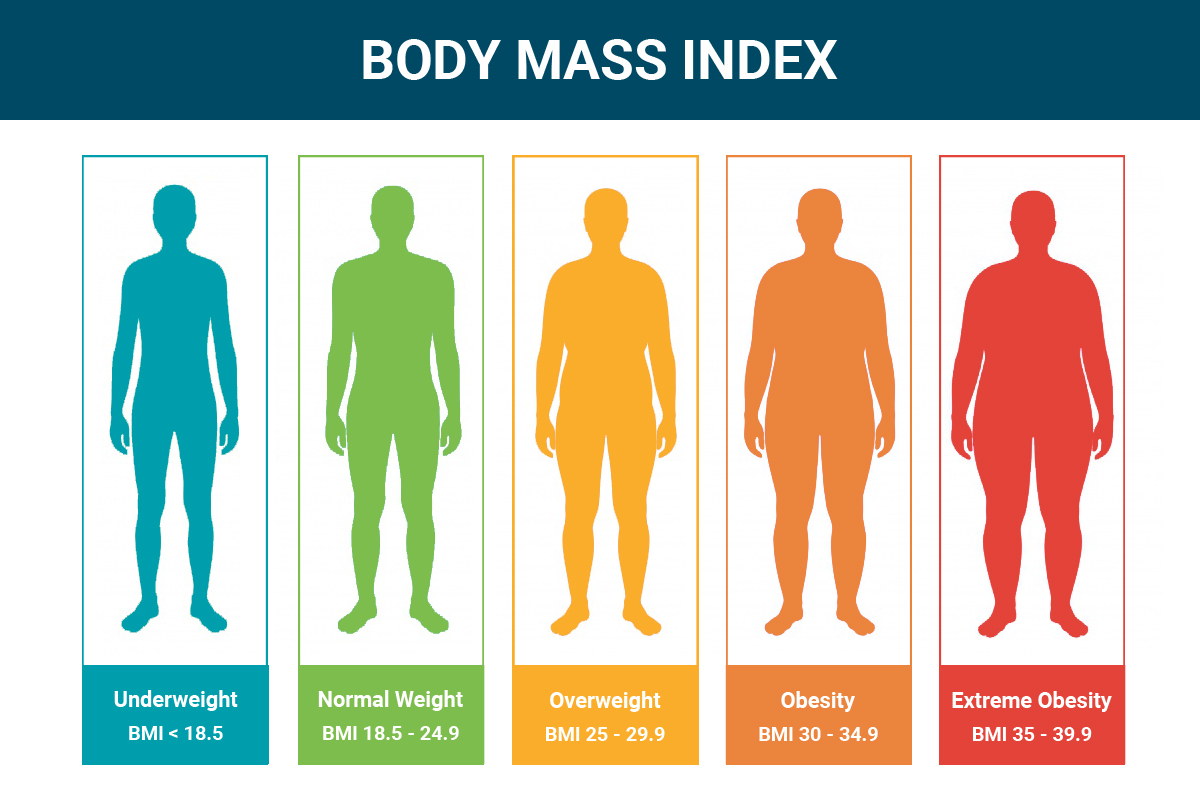
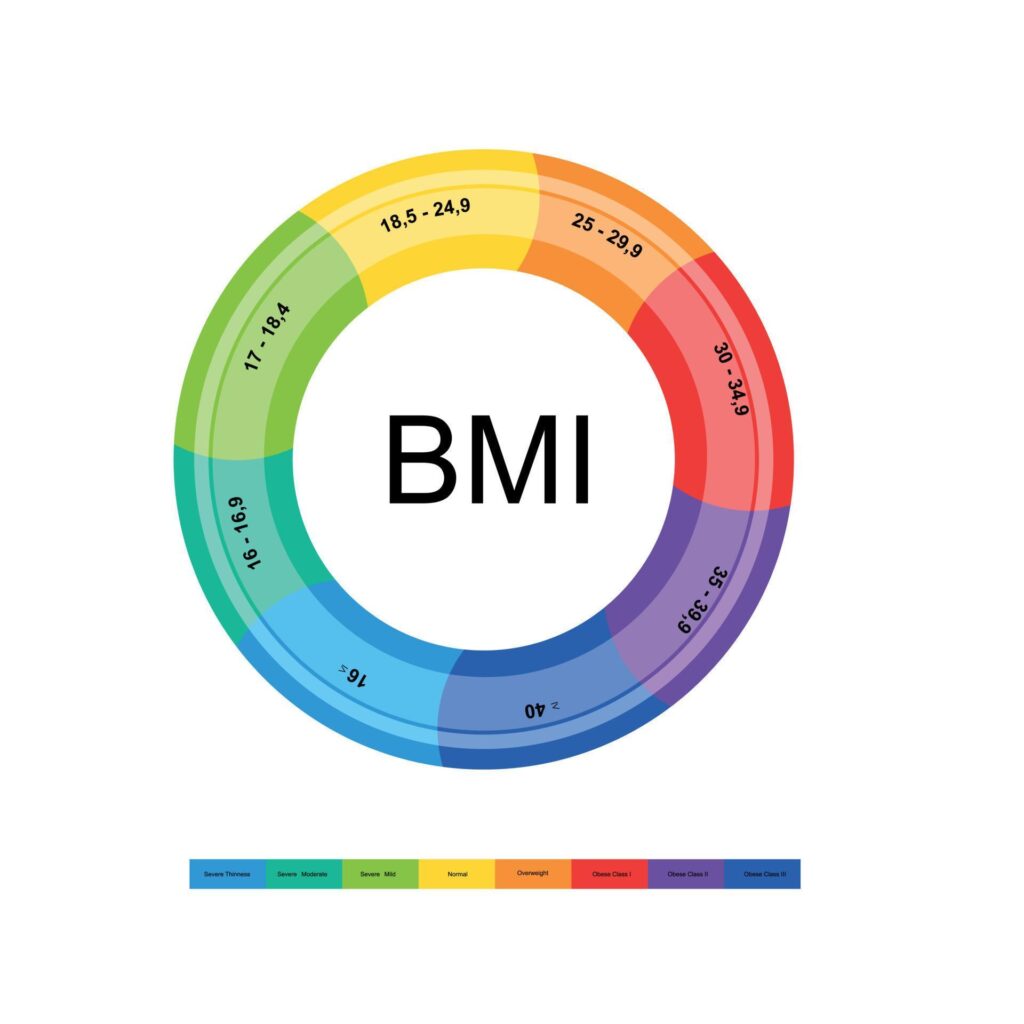
Below 18.5 is underweight. Between 18.5 and 24.9 is the normal range. Between 25 and 29.9 is overweight. Thirty and above is obese.
These are not just fitness labels. In medical and insurance contexts they carry real meaning about the likelihood of developing serious health conditions over time.
How a BMI Calculator for Men Works
A BMI calculator for men takes two inputs. Height and weight. The result appears instantly along with the category it falls into.
One thing worth knowing is that standard BMI calculations do not separate muscle from fat. Men generally carry more muscle than women. A well built man who exercises regularly may show a BMI of 27 or 28 and fall into the overweight category despite being metabolically healthy.
Some calculators designed specifically for men factor in waist circumference alongside weight and height. This gives a more complete picture. But for health insurance purposes most insurers rely on the standard BMI figure as the starting point for assessment.
Knowing the number before applying for insurance removes the element of surprise during underwriting.
The Link Between BMI and the 10 Lakh Health Insurance Premium
Insurance pricing is built on risk. The more likely a person is to make a claim, the higher the premium.
A higher BMI correlates statistically with a greater chance of developing conditions that lead to hospitalisation. Type 2 diabetes. High blood pressure. Cardiac disease. Joint problems. Sleep disorders. These are not certainties. But they are more common in people with higher BMI readings. And they are exactly the conditions that generate large insurance claims.
This is the reason BMI affects the 10 lakh health insurance premium. The insurer is not making a judgement. It is making a calculation about expected claims.
What the Premium Difference Actually Looks Like
The numbers vary across insurers. Not all of them treat BMI the same way or apply the same thresholds.
For a 34 year old male with a normal BMI, a 10 lakh health insurance premium might cost between seven and ten thousand rupees annually. The same plan for the same person with a BMI above 32 could attract what insurers call a loading — an extra charge on top of the standard premium.
That loading might add anywhere from 15 to 30 percent to the base premium. On a ten thousand rupee premium that is an additional one thousand five hundred to three thousand rupees every year.
At very high BMI levels — typically above 40 — some insurers decline the application entirely or ask the applicant to come back after demonstrating weight reduction.
These thresholds are not always published. They emerge during the underwriting review once the application is submitted.
BMI Does Not Work Alone
An insurer does not look at BMI in isolation. It is one piece of a larger health picture.
A man with a BMI of 28 who has clean blood work, no family history of heart disease, and no existing conditions is viewed very differently from a man with the same BMI who has early stage diabetes and high cholesterol.
The full picture typically includes blood pressure, fasting blood sugar, cholesterol levels, family medical history, smoking habits, and any existing diagnosed conditions. A high BMI alongside several of these risk factors stacks up into a significantly higher loading. A high BMI with an otherwise clean profile may attract a smaller adjustment or none at all depending on the insurer.
Why Getting the Numbers Right on the Application Matters
Some applicants adjust their height and weight slightly when filling out the form. A few extra centimetres. A few kilograms less. It brings the reported BMI down just enough to avoid a loading.
Health insurance claims involve medical records. If a hospitalisation occurs and the insurer reviews the file, discrepancies between the declared measurements and actual medical data surface quickly. An insurer that finds the BMI was misrepresented has grounds to question the entire application.
What to Do Before Applying
Use a BMI calculator for men before submitting any application. Know exactly which category the current reading falls into.
If the BMI is above 30, compare a few insurers before applying. Underwriting guidelines differ. Some insurers are more accommodating at certain BMI ranges than others. Applying to the wrong insurer first can create a record of a declined application that other insurers may ask about.
If time permits and there is no immediate urgency, a moderate reduction in BMI before applying can make a meaningful difference. Dropping from a BMI of 31 to 28 moves the profile from obese to overweight. That shift alone can reduce or eliminate the loading on the premium.
Some insurers also allow a premium review after a period of documented weight loss. It is worth asking about this before committing to a plan with a loading attached.
Conclusion
BMI is not just a number from a fitness app. For anyone looking at a 10 lakh health insurance plan it directly affects what gets charged every year.
A BMI calculator for men takes two minutes to use. Knowing the number before the insurer calculates it means walking into the process with full awareness of where things stand. That awareness allows better comparison, honest disclosure, and in some cases a practical plan to improve the reading before the application goes in.

Bob Duncan is the lead writer and partner on ConversationsWithBianca.com. A passionate parent, he’s always excited to dive into the conversation about anything from parenting, food & drink, travel, to gifts & more!