
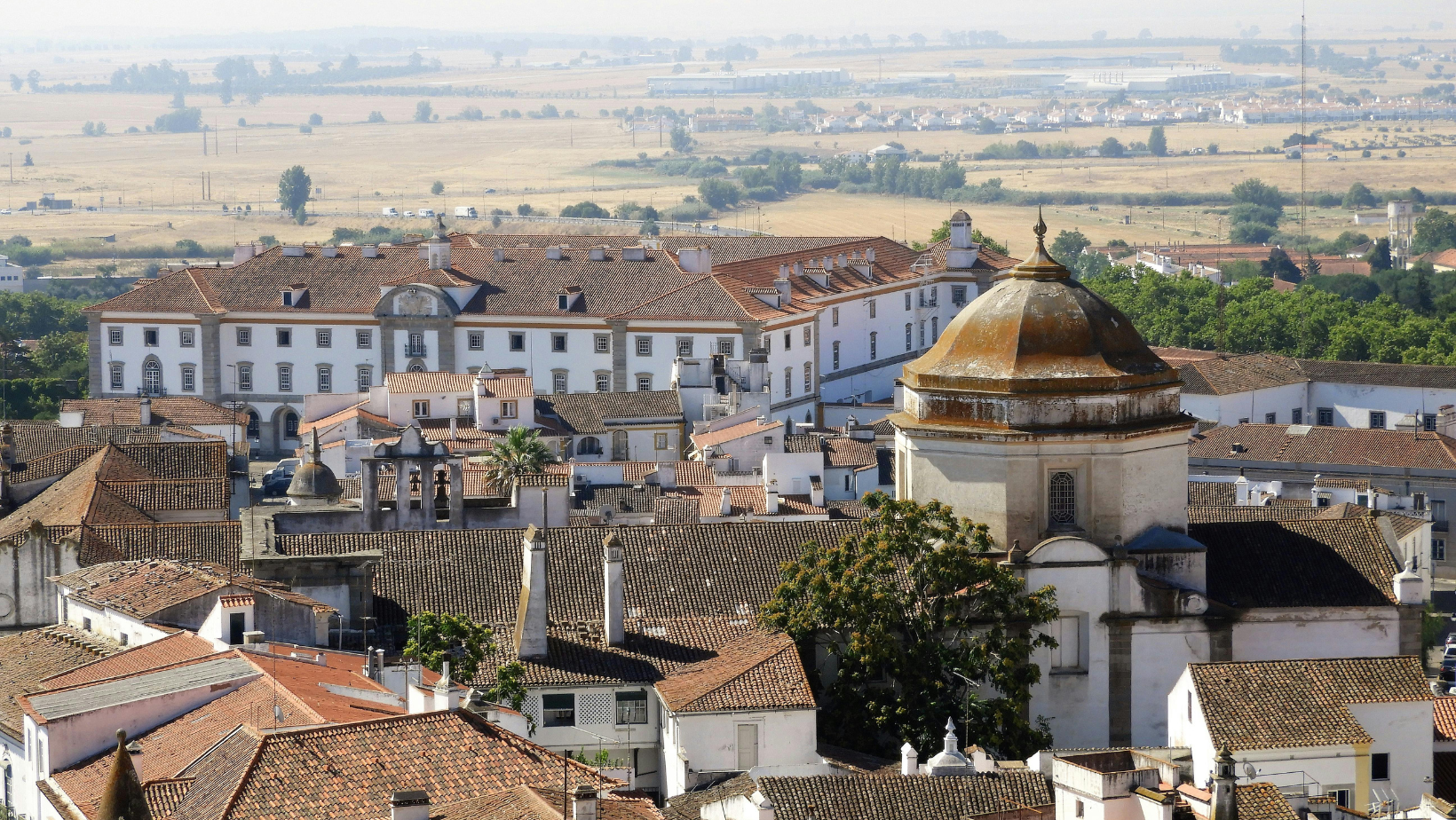
Portugal’s small towns are attracting a new wave of residents who are reshaping local culture and the property market. Artists, designers, and remote workers are moving to both inland and coastal towns, bringing fresh ideas and energy to these communities. Their presence is influencing local services, infrastructure, and demand for property, creating opportunities for investors and homebuyers alike.
A Shift in Demographics
Traditionally, Portugal’s small towns have had aging populations and slower economic growth compared with cities like Lisbon and Porto. In recent years, however, creative professionals have started to settle in these towns, drawn by lower living costs, natural beauty, and a slower pace of life. The European Commission’s Cultural and Creative Cities Monitor highlights that communities with active creative sectors tend to experience revitalisation in local economies and urban spaces.
This trend is visible in towns across The Algarve and inland regions. Remote workers, in particular, are seeking spaces that combine affordable living with quality of life. Coastal towns benefit from lifestyle appeal, while inland towns offer quiet environments that are ideal for artists and writers seeking inspiration.
The Impact on Local Culture
Creative communities bring more than just economic activity. They introduce new cultural events, workshops, and collaborative spaces that enrich town life. Local cafés, galleries, and small businesses often benefit from increased footfall and spending. Municipal cultural development reports indicate that towns with active creative communities see stronger community engagement and new opportunities for residents of all ages.
In The Algarve, towns like Tavira and Olhão have experienced growing interest from creative professionals, leading to a mix of traditional and contemporary cultural offerings. Festivals, exhibitions, and local markets are evolving to reflect this blend, enhancing the region’s attractiveness for both residents and tourists.
Influence on Property Demand
As small towns become more appealing to creative communities, demand for property has shifted. Investors and buyers are increasingly interested in homes that offer flexibility for work and living. Properties that can accommodate studios, office spaces, or workshops are particularly sought after.
For those exploring properties in Eastern Algarve, the trend is evident. Coastal towns in the eastern region are seeing renewed interest in residential properties that allow buyers to live, work, and create. The combination of lifestyle benefits, cultural activity, and accessible infrastructure is driving steady demand.
Remote Work and the Digital Nomad Effect
The rise of remote work has accelerated this trend. Professionals no longer need to be tied to major cities and are relocating to towns that offer a higher quality of life. Reliable internet, co-working spaces, and community networks are becoming essential factors in choosing a location.
Small towns that adapt to these needs attract not only individuals but also small creative businesses. This shift contributes to local economic diversity and can increase the value of residential properties, particularly in regions where amenities support modern work lifestyles.
Case Studies in The Algarve
Eastern Algarve towns illustrate the impact of creative communities on both culture and property. Olhão, with its historic architecture and vibrant seafood markets, has attracted artists seeking inspiration from its streets and coastline. Tavira, with its cultural heritage and accessible amenities, appeals to both creatives and remote workers.
In these towns, the demand for properties for sale in Eastern Algarve is influenced by lifestyle considerations as much as investment potential. Buyers value proximity to cultural hubs, green spaces, and areas that support work-from-home setups.
Planning for Sustainable Growth
Municipal authorities play a key role in managing the growth of creative communities. Ensuring infrastructure keeps pace with demand, supporting local businesses, and promoting cultural initiatives help towns remain attractive and sustainable. Development that balances modern needs with heritage conservation benefits both residents and investors.
By encouraging creative sectors, towns strengthen their identity while supporting property markets. This approach attracts those looking for long-term value, particularly in areas where lifestyle and work flexibility are priorities.
Long-Term Outlook
Creative communities are likely to continue shaping Portugal’s small towns. As more professionals move away from cities, demand for flexible, characterful properties will rise. The eastern Algarve, with its mix of coastal charm, cultural heritage, and growing creative networks, is well-positioned to benefit from this trend.
Investors and homebuyers can find opportunities in towns that combine tradition with innovation. Properties that support both living and creative work are increasingly valued, reflecting changing lifestyle preferences.
Conclusion
Portugal’s small towns are evolving as creative professionals, artists, and remote workers establish roots. This trend enriches local culture, strengthens communities, and drives demand for residential properties. For those exploring properties for sale in Eastern Algarve, the combination of lifestyle appeal and cultural vitality offers long-term value.
By recognising the influence of creative communities, investors can identify towns with growth potential, while residents enjoy vibrant, sustainable environments that support both work and life.