
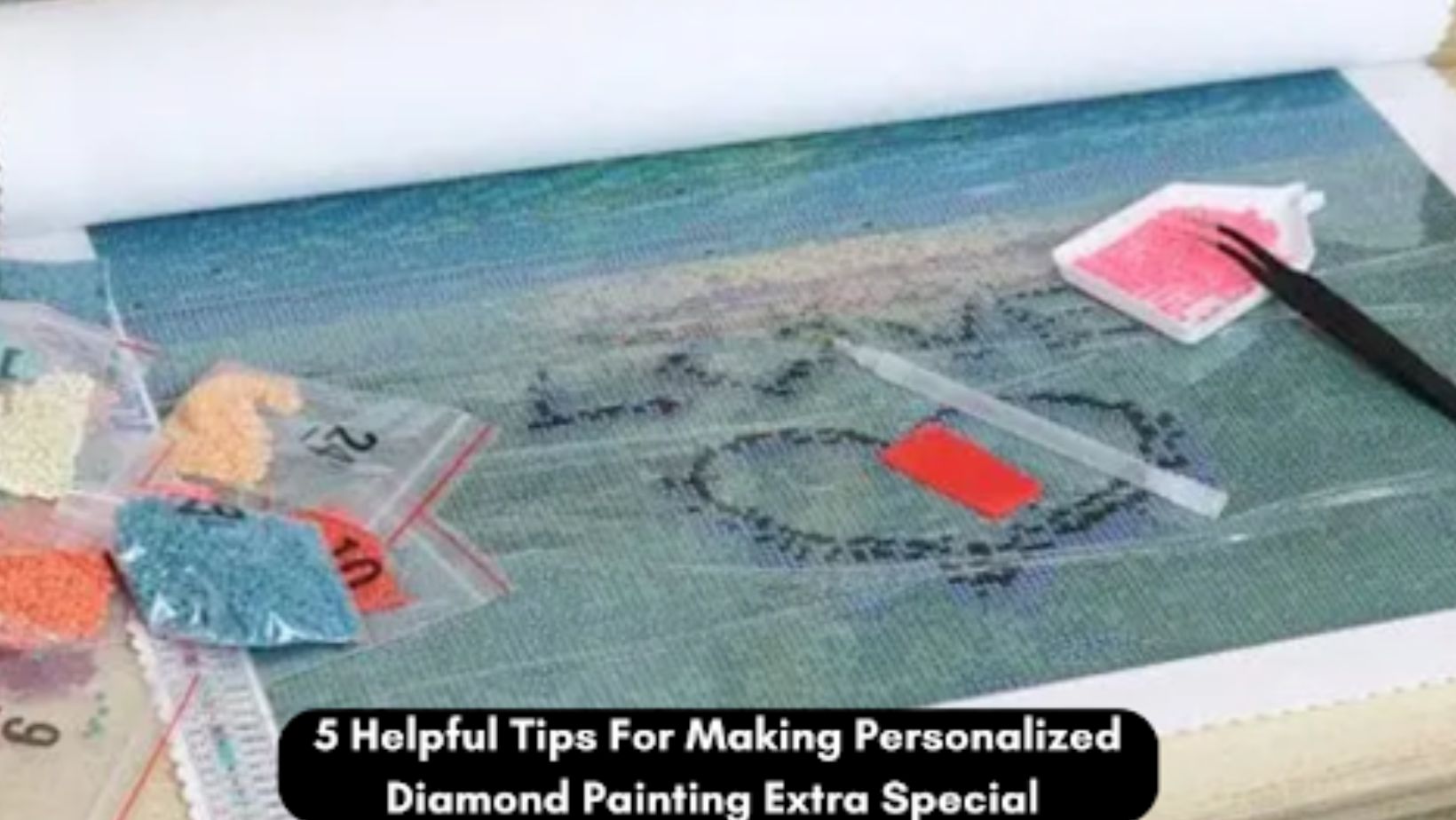
Diamond painting is among the most pampering crafts, although most crafters eventually develop the feeling that something is lacking. Ready-made canvases could be attractive, yet they may lack the emotional quality that will make you continue to feel inspired and motivated to continue working on tiny drills for many hours.
You finish the project, stand back, and take some time to admire it, and then see that it does not really tell your story or reflect the memories that are important to you.
With your own photographs, you can personalize the craft and make it extremely personal. Customized diamond paintings make a formerly basic craft a personal mission-each drill symbolizes a moment, someone, or something you would like to commemorate. This makes the completed work become more than a decoration; this makes it something you relate to.
For this reason, custom diamond art has gained popularity among hobbyists. It feels more purposeful when the canvas is constructed using your own image, and the result is something that is worth even a display.
Since personalized artwork can be meaningful, the following five tips can be helpful to make your diamond painting really stand out.
1. Start With Quality Custom Kit
A successful project begins with choosing a reliable custom diamond art kit that converts your image clearly. Clarity, lighting, and resolution are also very crucial in the photo-to-canvas conversion process. Once these factors are managed, the end result reproduces a lot more effectively in terms of expression, colors, and texture.
To prove that, the picture should be illuminated, sharp, and not overloaded with filters. Further, think about your canvas size. Fine details are normally able to be reproduced with the help of larger canvases, particularly when doing portraits or photographing pets. This helps to minimize pixelation and sharpen the whole image.
2. Improve Your Image Before Submitting It
Another effective way to elevate your artwork is to enhance the image before uploading it. Even small adjustments can significantly improve how colors and lines appear once translated into drill patterns.
For better results, increase brightness, sharpen the main subject, and remove background elements that don’t add value. High-contrast photos convert especially well because drill mapping works similarly to pixel art.
Simple editing tools like Canva, Snapseed, or built-in smartphone editors can help you create a cleaner, more defined base image.
3. Pick Right Canvas Dimensions and Shape
The dimensions and orientation of your canvas play a major role in how your final artwork turns out. Although it may seem like a small decision, this choice determines how much detail the canvas can capture.
Rectangular canvases are ideal for landscapes, group photos, and full-body images, while square canvases often work best for close-up portraits. Based on hobby community feedback, canvases above 40×50 cm provide significantly better detail, especially for facial features.
Selecting the right shape also ensures the main subject remains centered without unnecessary cropping.
4. Organize Your Workspace and Drills
A well-organized workspace can completely change your experience. When drills are scattered or mislabeled, mistakes become more common, and the process becomes stressful instead of soothing.
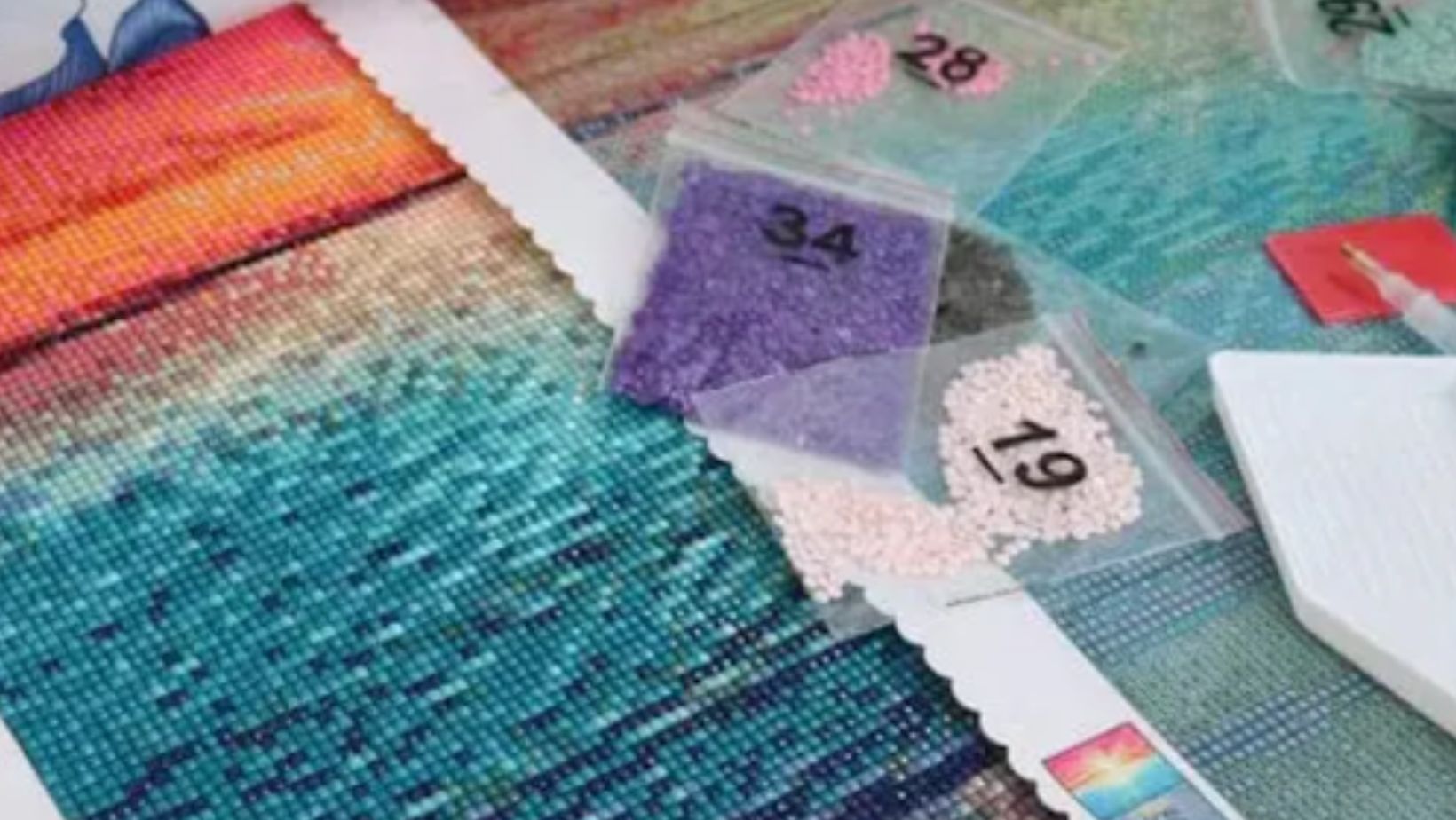
To stay organized, use small containers, resealable bags, or storage cases to sort drills by number. Labeling them avoids mix-ups between shades that look almost identical. Many crafters also arrange drills in numerical order to speed up placement.
With a tidy setup, you can settle into a comfortable rhythm and enjoy watching your artwork slowly come together.
5. Use Lighting to Improve Accuracy
Good lighting plays a crucial role in precision and comfort. Poorly lit rooms make symbols harder to read and can lead to eye strain during longer sessions.
A light pad under the canvas brightens symbols and helps you place drills accurately. Natural daylight or daylight bulbs also make it easier to distinguish between similar colors, which improves the overall finish.
When your workspace is well-lit, the artwork not only becomes easier to complete but also appears more vibrant when viewed later.
Why Creative Process Adds Emotional Value
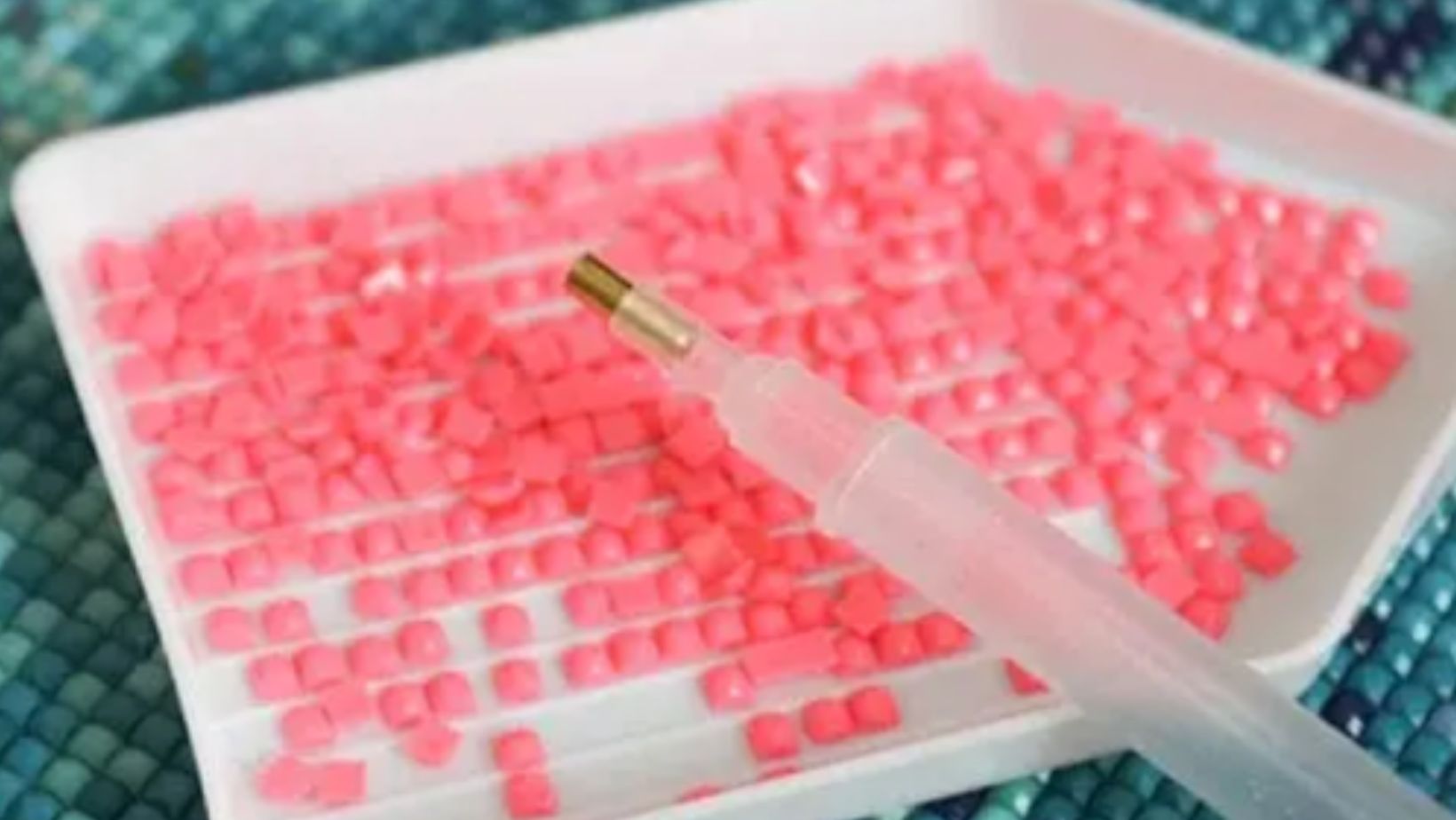
The creative process provides an emotional dimension to your piece of art besides the end result. Every exercise becomes a little bit of meditation and transforms the process into a relaxing routine. The repetitive motion grounding is also found to soothe many crafters and assist in calming the mind and alleviating stress on a day-to-day basis.
Creating particular habits – like crafting at a good time, listening to music, or creating a comfortable work environment – will make the whole experience better. This is even more significant when the art is founded on loved ones, pets, or memorable moments. The time spent becomes a part of the story of the piece.
Bottomline
A personalized diamond painting becomes truly special when thoughtful choices shape the entire journey–from selecting the right photo to refining the image, picking the ideal canvas, organizing your workspace, and using effective lighting.
By understanding how the design process works and embracing the creative experience, you turn your project into something far more meaningful. In the end, your artwork becomes more than a craft; it becomes a keepsake filled with intention and memory.

Bob Duncan is the lead writer and partner on ConversationsWithBianca.com. A passionate parent, he’s always excited to dive into the conversation about anything from parenting, food & drink, travel, to gifts & more!