
You want a permanent, natural-feeling way to replace missing teeth and avoid the problems that come with dentures or gaps. Dental implants in Chula Vista can restore your smile and help protect bone and nearby teeth, but success depends on your bone health, the provider’s skill, and clear cost planning.
This article will help you learn what to check when choosing a local implant team, what the treatment steps look like, and how to prepare financially and medically. Use this guide to feel confident asking the right questions and making choices that match your health and budget.
What to Know About Dental Implants in Chula Vista
Dental implants replace missing teeth by anchoring a metal post in your jaw and attaching a crown or denture. Costs, recovery time, and the type of implant you need vary by your bone health and the number of teeth being replaced.
How Dental Implants Work
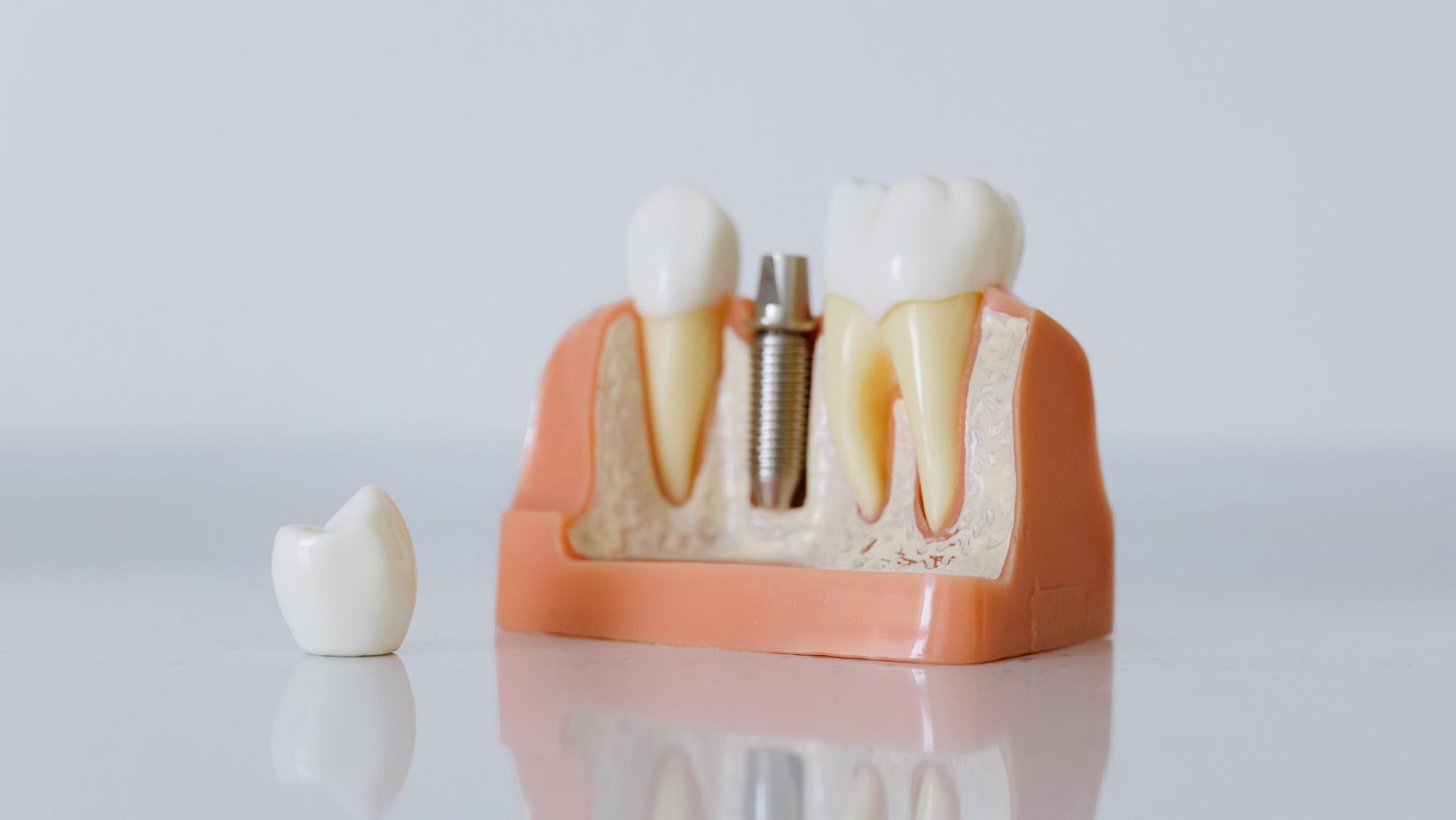
An implant uses a titanium or zirconia post as an artificial root placed into your jawbone. Over 3–6 months, the bone fuses to the post in a process called osseointegration, which gives the implant long-term stability.
After the post integrates, your provider adds an abutment and a crown, bridge, or implant-retained denture. This restores chewing function and appearance. Procedures often require local anesthesia; some cases use sedation or IV anesthesia for comfort.
Expect follow-up visits for X-rays and adjustments. If you smoke or have uncontrolled diabetes, healing may take longer and the risk of implant failure rises. Many Chula Vista clinics also offer bone grafting when jawbone volume is low.
Types of Dental Implants Available
- Endosteal implants: The most common. A screw-shaped post goes directly into your jawbone. Best for single or multiple tooth replacements.
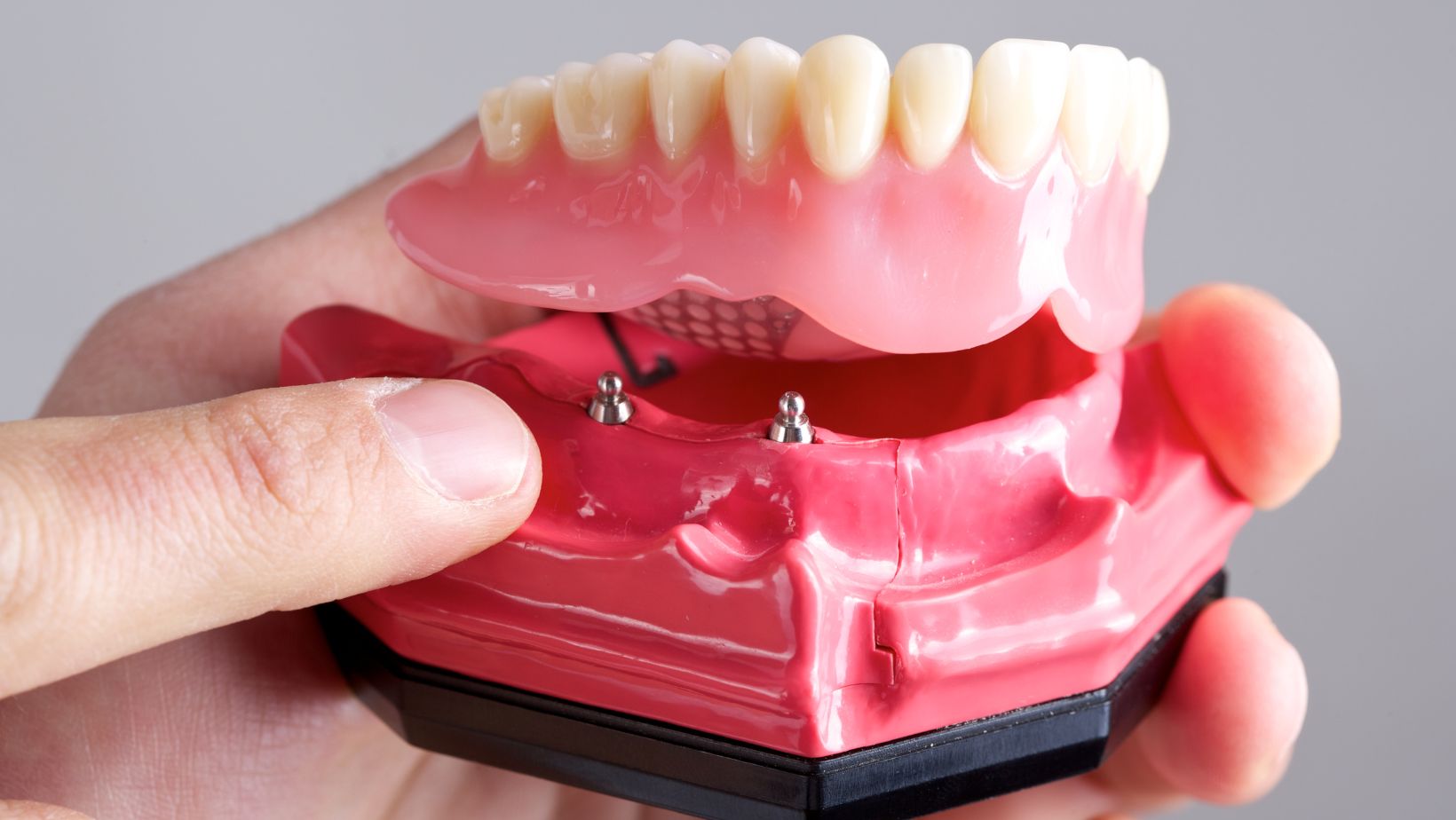
- All-on-4 (or All-on-X): Uses four or more implants to support a full-arch fixed prosthesis. Often recommended when replacing all teeth on an arch.
- Subperiosteal implants: A metal frame sits on top of the bone but under the gum. Rarely used today, usually when bone grafting isn’t possible.
- Implant-retained dentures: Dentures snap onto implants for better fit and chewing but remain removable.
Your dentist will recommend a type based on CT scans, the number of missing teeth, bone quality, and budget. Materials, like titanium vs. zirconia, affect cost and aesthetics. Ask for digital scans and treatment timelines before committing.
Who Makes a Good Candidate
You qualify if you are missing one or more teeth, have good oral hygiene, and have enough jawbone to support an implant or are willing to have grafting. Healthy gums matter; untreated gum disease must be controlled first.
Medical conditions affect candidacy. Well-controlled diabetes, osteoporosis, or past cancer treatment do not automatically disqualify you, but your provider will review risks. Smoking increases failure risk; quitting improves outcomes.
Age alone is not a barrier if your jaw growth is finished. Your dentist will use dental X-rays or a CBCT scan to measure bone volume and plan placement. If you want a fixed, long-term solution and can commit to follow-up care, implants are often a suitable choice.
Evaluating Chula Vista Dental Implant Providers
You should check a provider’s training, the tools and materials they use, and what real patients say. Focus on facts like board certification, digital imaging, implant brands, and consistent patient feedback.
Qualifications and Experience
Look for board-certified oral surgeons or periodontists and dentists with documented implant training. Ask how many implant cases they’ve completed this year and whether they handle bone grafts and sinus lifts in-house. Experience with complex cases matters more than a long practice history.
Confirm the provider’s affiliations and continuing education. Memberships in professional groups (AAOMS, ADA, or APS) and recent implant courses show they stay current. Also check whether the same clinician places and restores the implant, or if they send you to another office.
Ask about complication rates and follow-up care. A frank answer about past infections, failures, and how they were managed indicates transparency. Make sure they offer a clear plan for emergencies and long-term maintenance.
Technology and Materials Used
Verify the clinic uses cone-beam CT (CBCT) for 3D imaging to plan implant position and avoid nerves. Digital planning and surgical guides improve accuracy and reduce risk. Inquire whether they use guided surgery or freehand techniques for your case.
Check the implant brands and materials. Look for reputable implant systems (Nobel Biocare, Straumann, Zimmer Biomet, etc.) and titanium or ceramic implant options if you have metal sensitivities. Ask for written details on the prosthetic components and warranty on parts.
Review sterilization and lab workflows. On-site labs or partnered dental labs with CAD/CAM milling mean faster, better-fitting crowns. Confirm they use modern sterilization protocols and document antibiotic and pain-control plans.
Patient Feedbacks and Testimonials
Read recent reviews on multiple platforms: Google, Yelp, and healthcare sites. Focus on themes across reviews—consistent praise for communication, pain management, and follow-up care matters more than isolated compliments.
Look for specific comments about implant success, recovery time, and how staff handled complications. Pay attention to photos of before-and-after cases and whether reviewers mention board-certified surgeons or the use of 3D imaging.
Ask the clinic for references or case studies similar to your situation. A trustworthy provider will share patient outcomes and contactable references or show documented case results with timelines and treatment steps.
Costs and Financial Considerations
You will face several cost items and payment choices. Know what parts of treatment insurance may cover, how to estimate the full bill, and how implants can compare to other options over time.
Insurance and Payment Options
Most dental insurance plans do not fully cover implant surgery. Plans often pay for diagnostics and crowns but not the implant fixture or the surgical placement. You should call your insurer and ask specifically about “implant fixture,” “surgical placement,” and “restorative crown” coverage.
Ask your dental office about common financing paths:
- In-office payment plans with monthly installments.
- Third-party medical/dental lenders (CareCredit, etc.).
- Using a health savings account (HSA) or flexible spending account (FSA).
Get pre-treatment benefit estimates in writing. That prevents surprise bills. Also check whether the surgeon or specialist requires separate billing for imaging, anesthesia, or bone grafts.
Estimating Total Costs
Total cost depends on several specific items: number of implants, type of implant, crown material, any bone grafting or sinus lifts, and whether a specialist performs surgery.
Typical cost components:
- Initial consultation and imaging (CBCT): separate fee.
- Implant fixture and abutment: per tooth price.
- Crown or prosthesis: porcelain, zirconia, or hybrid.
- Additional procedures: extra fees for grafts, extractions, or sedation.
Ask for a written estimate that lists each line item and whether the price includes follow-up visits and adjustments. Compare quotes from a general dentist and an oral surgeon for the same scope of work. That helps you understand where costs differ and why.
Long-Term Value of Dental Implants
Implants often last decades with proper care, which can make them more cost-effective than bridges or dentures that need replacement every 5–15 years.
Consider these long-term factors:
- Maintenance costs: regular cleanings and occasional crown replacement.
- Bone preservation: implants prevent jawbone loss that can lead to more complex care later.
- Function and diet: implants restore chewing force, which can reduce future dental problems.
Balance upfront costs against likely future expenses for replacements, repairs, or bone treatments. Ask your provider for expected lifespan estimates and typical maintenance costs in your area to make a realistic comparison.
Understanding the Dental Implant Process
You will learn what to expect at your first visit, how the surgery is done, and what steps help your mouth heal well. Each part affects the final fit, comfort, and long-term success of your implants.
Initial Consultation
You meet with a dentist or specialist who reviews your medical history, current medications, and any health conditions like diabetes or smoking that affect healing. Expect a clinical exam and imaging — usually a dental X-ray or CBCT scan — so your provider can measure bone volume and decide implant size and position.
Discuss treatment options, costs, and timeline. The clinician will tell you if bone grafting or extractions are needed before implant placement. They also explain anesthesia choices: local, IV sedation, or general anesthesia. Ask about who will do the surgery, the number of visits, and potential risks such as infection or nerve injury.
You should bring a list of medications, your dental insurance info, and any questions about recovery, eating, or work restrictions. Clear communication now reduces surprises later.
Surgical Procedure Overview
The procedure begins with numbing and chosen sedation for comfort. The surgeon makes a small incision in the gum, drills a precise hole in the jawbone, and places a titanium implant post. If your bone is thin, they may add graft material at the same visit or plan a separate grafting surgery beforehand.
After the post is placed, a healing cap or temporary will sit over the implant. In many cases, your provider waits 3–6 months for the implant to osseointegrate — fuse with bone — before attaching the permanent abutment and crown. For some candidates, immediate loading (a temporary tooth placed the same day) is possible but depends on bone quality and implant stability.
The team will confirm placement with X-rays and give written post-op instructions. You should know the expected number of visits and any lab time needed for custom crowns or dentures.
Recovery and Aftercare
Expect swelling, mild bleeding, and soreness for 3–7 days. Take prescribed pain meds and antibiotics exactly as directed. Use ice packs for 24 hours and avoid rinsing or spitting forcefully for the first day to protect the surgical site.
Maintain soft foods and avoid chewing on the implant side until your provider clears you. Brush gently and use a salt-water rinse or an antiseptic mouthwash as recommended. Attend follow-up visits to check healing and remove stitches if needed.
Long-term care includes regular brushing, flossing, and dental checkups every 3–6 months until your provider confirms stability. Smoking and poor oral hygiene raise the risk of implant failure, so follow instructions closely and report persistent pain, fever, or unusual drainage promptly.